

Coffee Franchise Staff Uniform OEM | Cafe & Specialty Chains
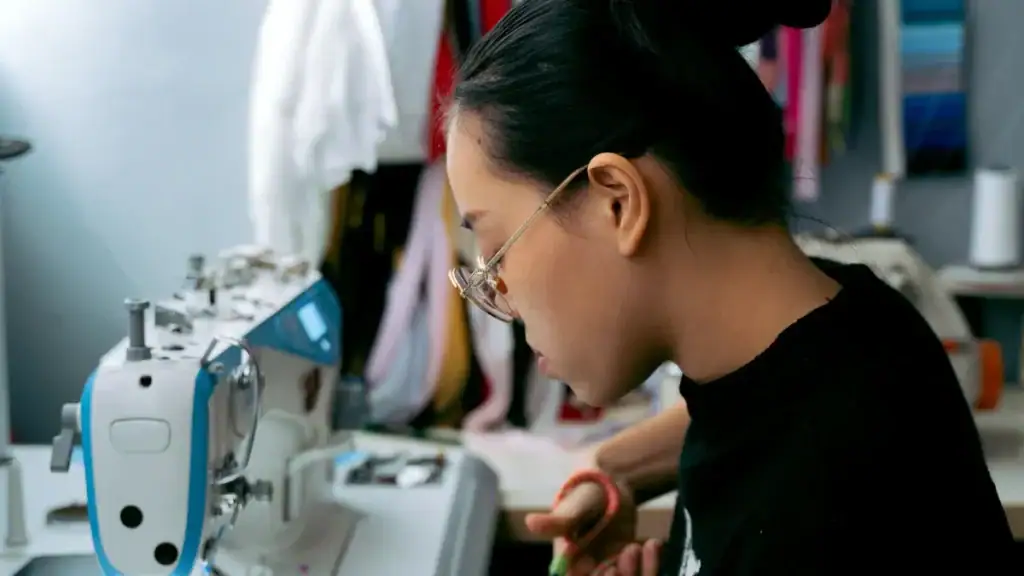
Coffee franchise staff uniform OEM means a contract manufacturer makes uniforms to the franchise’s own specs and sells them under the franchise’s label. Off-the-shelf catalog uniforms come as standard stock designs, while private-label uniforms carry the buyer’s brand on a mostly fixed product. A coffee franchise staff uniform OEM program instead gives overseas coffee franchise networks and specialty-cafe or brand-owned cafe chains full control over fabric, fit, logo placement, and role identification. This guide walks through the spec stack, the RFQ table, the sample-to-bulk gates, a catalog versus private-label versus OEM comparison, and a copy-paste procurement checklist.
Key Takeaways
OEM means the factory makes uniforms by your exact rules and puts your brand’s label on them.
This program works well for coffee chains with many stores that want every location to look the same.
You pay more at the start because of tooling, minimum order quantities, and sample rounds.
Durability and wash resistance are key features because baristas work with steam, milk, and espresso.
The spec stack includes a polo, a top that works with an apron, and a light cafe layer for different roles.
The RFQ should list every style, fabric, color, logo method, size range, and target ship date.
Three approval steps—sample, PPS, and bulk—make sure the final uniform meets your standards.
OEM lets you control the fit, fabric, and branding completely, but it needs a bigger upfront commitment than buying from a catalog.
Quick Takeaways
A coffee franchise staff uniform OEM program makes clothes to the franchise’s own specs and ships them under the franchise’s own label.
This model fits multi-unit coffee networks and specialty-cafe chains that need every location to look like one brand.
You pay more upfront than with catalog buying, because tooling, minimum order quantities, and sampling time all go into the plan.
Durability and wash resistance are at the heart of barista apparel specs, not on the edges.
Oem Means Your Specs, Your Label
The buyer writes the spec. The factory builds to it. The finished garment carries the franchise’s label, not the maker’s. That one setup is what sets OEM apart from every catalog purchase a cafe chain can make.
Control covers the whole garment. The franchise sets the fabric, the weight, the color matched to a Pantone reference, the logo method, and the size range. A contract manufacturer then repeats that spec across reorders. The label inside the collar belongs to the coffee brand, and so does the consistency behind it.
Built For Multi-Unit Coffee Consistency
A coffee chain runs on repetition. A customer who walks into a location in another city expects the same cup, the same counter, and the same crew look. Uniforms carry a big share of that expectation, and OEM gives the brand a way to hold it steady.
Role identification makes the effect stronger. Baristas, shift leads, and shop-floor staff can wear different pieces within one visual system. Color matching across units keeps the palette the same. Concept-matched design lets a formal espresso bar and a relaxed neighborhood cafe each show the brand in a fitting way.
Higher Upfront Commitment Than Catalog
Catalog uniforms arrive fast and ask for little. OEM asks for more before the first bulk shipment leaves the factory. Tooling for custom trims, minimum order quantities, and sampling rounds all take time and budget at the start of the project.
That commitment buys something specific. A chain gains a garment it owns, a spec it can reorder, and a look no competitor can copy from a catalog page. Buyers who plan for the longer runway usually find the trade worth it. Durability and wash resistance belong in that same early planning, since steamed milk, espresso spills, and frequent washing wear out weak fabric fast.
Entity And Buyer Intent
Manufacturer Profile
Shanghai Top Fortune Industry Co., Ltd. is the company that made this guide. It began around 2002 and runs a 1,506 m² factory in Songjiang, Shanghai. Its main work is OEM and ODM workwear, and it ships to buyers in Europe, the Middle East, Oceania, Southeast Asia, and the Americas.
The factory makes clothes to a buyer’s own spec, not from a fixed catalog sheet. That setup works well for coffee brands, since a franchise network needs one uniform standard across many stores. You can find full company details on the main site at https://www.workwearmanufacturer.com/, and the background page at https://www.workwearmanufacturer.com/about-us/ covers the company history and facility.
Who Should Request A Quote
The target buyer is an overseas coffee franchise operator or a brand-owned specialty-cafe chain. These buyers get branded barista and shop-floor clothing for many locations. They want a steady look, a spec they can repeat, and fabric that holds up to daily cafe work.
A single independent cafe rarely needs this model. The program fits groups with a store network, a brand standard, and a plan to reorder. The minimum order quantity is about 2,000 pieces per style, so the volume suits a multi-unit chain, not a one-shop business.
Contacts And Next Step
A buyer can reach the team in two ways. Email rill@topfortunemail.com with the style list and target quantities. WhatsApp +86 13524210501 works well for a quick first talk about scope and timing.
The factory address is Floor 3 Building 20 Haier Zhigu No.66 Guangfulin East Road Songjiang Shanghai 201600. A good first message names the roles to dress, the store count, and the target launch window. The team can then confirm what is possible and move the project toward a sample.
TOC
What This Guide Covers
The list below maps every section of this guide. Each link jumps to a heading further down the page. A reader can follow the order from top to bottom or open a single section when a project needs one answer fast.
Who This Guide Is For — names the three buyer types this guide serves and the adult B2B scope.
Spec Stack: Barista And Shop-Floor — covers the polo, the apron-compatible top, the light cafe layer, brand visibility, and wash resistance.
RFQ And Specs Table — shows the fields a request for quote needs and the gaps that slow a project down.
Sample, PPS, And Bulk Gates — explains the three approval stages and what passes at each one.
Catalog Vs Private-Label Vs Coffee Franchise Staff Uniform OEM — compares the three sourcing routes across fit, cost, MOQ, and brand consistency.
Procurement Checklist — gives a copy-paste list for spec, labeling, and order checks.
FAQ — collects the questions buyers ask most often.
CTA And Internal Links — closes with the quote contact and related pages.
The early sections set the frame. A reader learns who the program fits and which garments sit at the center of a barista wardrobe. The middle sections carry the working detail. The RFQ table and the sample gates turn a brand idea into a factory-ready brief, and the comparison table helps a chain decide whether OEM suits its volume.
The final sections support execution. The checklist travels well into an internal approval meeting, and the FAQ answers the questions that come up before a buyer sends the first email. A reader who wants the short version can read the quick takeaways above, then jump straight to the checklist.
Who This Guide Is For
This guide is for adult business buyers only. Every reader works for an overseas coffee business, a specialty-cafe group, or a cafe chain owned by a brand. The content assumes a commercial buying role and a business with many locations. It does not cover school uniform programs, and it does not cover hotel or hotel food-and-beverage uniforms. Those are separate product types with different spec rules, different wear cycles, and different buying teams.
The focus stays on branded barista and shop-floor clothing. Safety gear and high-visibility clothing are outside the main pitch here. A cafe crew needs a clean, durable, brand-forward look for front-of-house work. That is the problem this guide solves.
Coffee Franchise Operators
A franchise operator manages a network of stores under one brand standard. This reader needs every location to show the same visual identity, from the counter to the shop floor. Uniform consistency becomes an operations issue, not a fashion choice. The operator often holds the spec and lets individual franchisees order against it.
This buyer cares about repeatability. A garment that looks right in one store must look the same in the next city. Color matching, logo placement, and role identification all need a fixed standard. This guide shows how an OEM brief locks those details down and keeps them stable across reorders.
Specialty-Cafe Brand-Owned Chains
A brand-owned chain runs its cafes directly and controls the whole customer experience. This reader treats staff clothing as part of the brand system, alongside signage, packaging, and interior design. The uniform must match the concept, whether the brand reads formal and precise or relaxed and welcoming.
This buyer usually wants more design input than a franchise operator. Fabric hand-feel, trim details, and the cut of a polo or light layer all carry brand meaning. The sections on the spec stack and the sample gates speak directly to this reader, since both turn a design intent into a factory-ready garment.
Regional Cafe Retail Managers
A regional retail manager oversees stores across a territory and answers for day-to-day presentation. This reader sees uniform problems first: fading color, worn collars, stains that will not wash out, and crews that look mismatched across shifts. The manager needs practical answers, not abstract brand theory.
This buyer often joins the project after the spec exists and needs to understand how it works. The RFQ table, the procurement checklist, and the sample-to-bulk gates give this reader the working tools. They can check a shipment, brief a store team, and raise a spec question with confidence.
Spec Stack: Barista And Shop-Floor
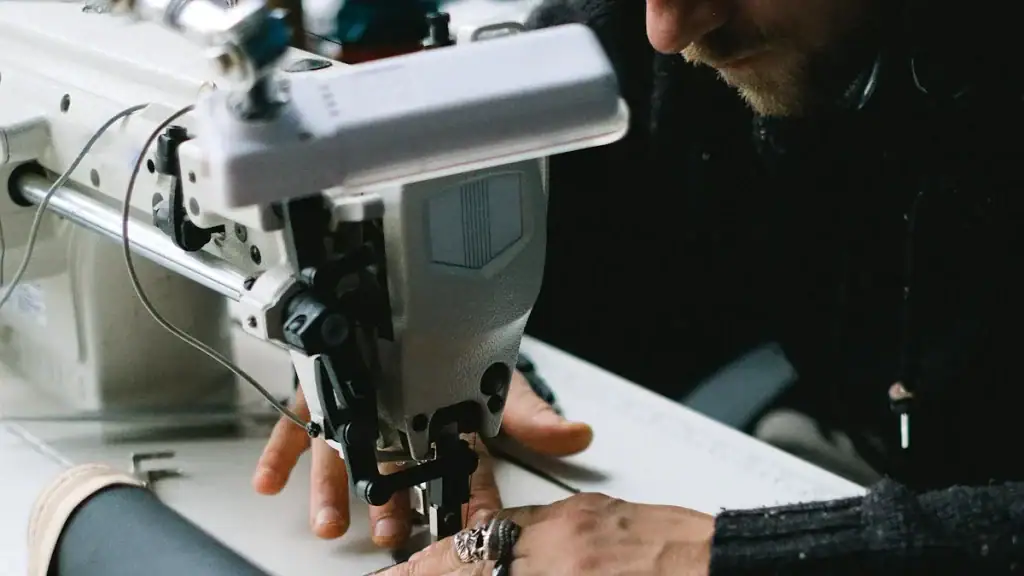
A coffee crew works close to heat, liquid, and customers all shift. The uniform has to handle all three at once. The spec stack starts with three core pieces and builds outward from there.
Polo, Apron-Compatible Top, Light Cafe Layer
The polo is the anchor piece. It carries the brand at the counter, at the bar, and on the shop floor. A good polo keeps its collar shape after many washes and holds a clean line under an apron strap.
The apron-compatible top comes next. This piece sits under a bib apron, so the cut matters more than the decoration. A flat front, a short sleeve, and a smooth shoulder seam stop the apron from bunching. The top also needs enough length to stay tucked through a full shift of reaching and bending.
The light cafe layer covers cooler mornings and open-air seating. A lightweight overshirt or a soft knit layer works well here. It should match the polo palette and read as part of the same family, not as a separate garment.
Fabric choice drives the whole stack. The table below sets out the recommended options for each component.
Uniform Component | Recommended Fabric | Weight / Blend | Rationale |
|---|---|---|---|
Apron (high-volume espresso bars) | 100% cotton twill | 9–10 oz/yd² | Holds shape, resists coffee-oil penetration, survives repeated washing and heat |
Apron (general spill resistance) | Canvas | 8–10 oz/yd² | Best balance of drape and spill resistance; below 7 oz tears easily, above 12 oz is stiff and overheats |
Tops (near steam wands) | Pre-shrunk 100% cotton oxford or moisture-wicking poly-cotton blend | Avoid 100% polyester | Avoid 100% polyester next to steam because it can melt. A cotton or poly-cotton oxford is the usual top. |
Modular starter setup | 9-oz cotton twill bib apron plus pre-shrunk oxford shirts | 9 oz twill; oxford blend | Fast deployment with predictable fit; charcoal and navy hide stains |
Brand Visibility And Role Identification
A multi-unit coffee brand lives or dies on recognition. A customer should spot the crew from the doorway. Logo placement does most of that work. A chest logo on the polo, a small mark on the apron bib, and a consistent position on the light layer keep the look uniform across stores.
Color matching holds the system together. The franchise sets a Pantone reference for each color, and the factory matches every production run to it. Charcoal and navy earn their place here, since both hide stains and read as premium in a cafe setting.
Role identification adds a second layer of clarity. A shift lead might wear a different collar color or a contrasting apron strap. A barista keeps the standard polo. These differences stay inside one visual system, so the crew looks organized rather than fragmented. The design concept should match the brand position too. A formal espresso bar suits a crisp, structured polo. A relaxed neighborhood cafe suits a softer cut and a looser layer.
Durability, Wash, And Stain Resistance
Cafe work punishes fabric. Steamed milk leaves a residue that sets into fibers. Espresso spills leave oil marks. Frequent laundering breaks down weak seams and fades cheap dye. These pressures turn durability and wash resistance into core OEM specifications, not afterthoughts.
Fabric weight and blend carry much of that load. Cotton twill at 9–10 oz/yd² resists coffee-oil penetration and survives repeated washing and heat. Canvas at 8–10 oz/yd² gives a good balance of drape and spill resistance. A weight below 7 oz tears easily, and a weight above 12 oz turns stiff and overheats the wearer.
Heat near the steam wand shapes the top spec. Avoid 100% polyester for tops worn close to the wand, because polyester can melt. A pre-shrunk cotton oxford or a moisture-wicking poly-cotton blend is the usual brief.
The buyer should write these points into the OEM brief. Name the fabric, the weight, the blend, and the wash expectation. A factory can then build a garment that keeps its color, shape, and stain resistance through the full life of the uniform program.
RFQ And Specs Table
What To Put In The RFQ
A request for quote works best as one document a factory can read without asking more questions. The buyer lists every style by role, then adds the fabric, color, and logo details for each one. A clear RFQ shortens the path to a sample and lowers the chance of a rebuild later.
The document should also state the business terms. The buyer names the target quantity per style, the destination port, and the target ship date. A factory can then check if it can meet the order with its own capacity. Vague inputs force the factory to guess, and guesses turn into change orders.
Specs Table Fields
The table below shows the fields a coffee franchise RFQ should carry. Each row covers one style or role in the program.
Field | What The Buyer Enters |
|---|---|
Style / role | Barista polo, shift-lead polo, apron-compatible top, light cafe layer |
Fabric | Cotton twill, canvas, pre-shrunk cotton oxford, or poly-cotton blend |
Weight | Stated in oz/yd², matched to the garment's job |
Color (Pantone) | One reference per color, with the placement noted |
Logo method | Embroidery, screen print, or woven label, with position |
Size range | Full run from smallest to largest, with the size breakdown |
Packaging | Poly bag, size sticker, carton count per size |
Target quantity | Pieces per style and per size |
Target ship date | Date tied to the store launch window |
A buyer fills every cell for every style. Empty cells invite guesses, and guesses cost time.
Common RFQ Gaps
Four gaps slow more coffee uniform projects than any other issue. The first is a missing size breakdown. A buyer states a total quantity but never says how many small, medium, and large pieces the crew needs. The factory cannot plan cutting without that split.
The second gap is a missing logo placement file. A buyer describes the logo in words but sends no artwork or position guide. The factory then guesses at chest height and scale, and the first sample comes back wrong.
The third gap is missing wash-care expectations. A cafe uniform faces steamed milk, espresso spills, and frequent washing. The buyer should state the wash cycle and the stain resistance the garment must hold. The fourth gap is a missing destination port. Without it, the buyer cannot compare freight options or confirm a landed cost. A complete RFQ closes all four gaps before the factory quotes.
Sample, PPS, And Bulk Gates
A coffee uniform program moves through three approval gates before bulk production starts. Each gate has a clear pass standard. A buyer who signs off at the right moment protects the chain from a costly rebuild later.
Sample Stage
The sample stage tests fit and fabric hand-feel. The factory builds a first garment from the RFQ, and the buyer judges how it wears on a real body. A barista reaches overhead, bends at the waist, and works under an apron strap. The sample should stay in place through all three movements.
Fabric hand-feel matters as much as the measurements. The buyer checks whether the cotton twill feels stiff or soft, whether the polo collar holds its shape, and whether the light layer drapes the way the brand concept intends. A sample that passes fit but fails hand-feel goes back for a fabric change. The buyer approves the sample only when both fit and feel meet the brief.
Pre-Production Sample (PPS) Stage
The PPS stage confirms logo, color, and construction. The factory produces the garment exactly as bulk will run it, with the final artwork in place. The buyer checks the logo position, the embroidery or print quality, and the scale against the approved placement file.
Color sign-off happens here too. The buyer compares the production color against the Pantone reference under proper lighting. Construction details come under review at the same time: seam type, stitch density, collar structure, and trim placement. The PPS is the last cheap moment to catch a defect. A buyer who signs the PPS approves the garment as the production standard.
Bulk Production Gate
The bulk gate opens only after PPS approval. The factory then moves to production readiness, which means materials, cutting, and line setup all match the signed PPS. The buyer confirms the approved PPS stays on the factory floor as the reference piece.
This gate is a handoff, not a new design review. The buyer checks that the production plan matches the approved spec, the size breakdown, and the packaging instructions. Any open question gets resolved before the line starts. Once bulk begins, the PPS becomes the measuring stick for every unit that follows.
Catalog Vs Private-Label Vs Coffee Franchise Staff Uniform OEM
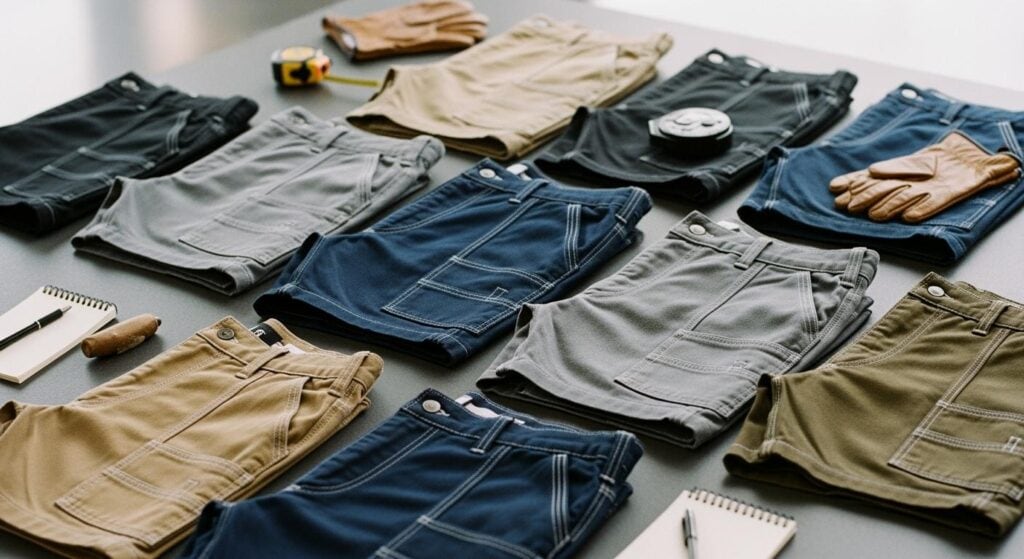
A coffee chain has three ways to buy staff clothing. Each way trades control for commitment in a different balance. The table below compares them on the points that matter most to a multi-unit coffee buyer.
Factor | Catalog | Private-Label | Coffee Franchise Staff Uniform OEM |
|---|---|---|---|
Fit | Standard block sizes, few changes | Standard base pattern with small tweaks | Pattern built to the franchise's measurements and role needs |
Durability | Varies by stock item; buyer takes what is offered | Some control over fabric choice | Full control over fabric, weight, and wash performance |
Compliance / labeling | Maker's label and care content | Buyer's label on a fixed product | Buyer's label, care content, and spec set by the franchise |
Cost | Lowest starting cost per unit | Mid-range starting cost | Highest upfront cost from tooling and sampling |
MOQ | Low or none | Moderate | High; suits a multi-unit network |
Brand consistency | Weak across units over time | Fair; stock changes can break the look | Strong; one spec repeats across every store and reorder |
Catalog: Speed And Low Commitment
Catalog buying fits a cafe that needs uniforms fast and wants little risk. The buyer looks at a stock range, picks colors and sizes, and places an order. No tooling, no sample rounds, and no minimum volume get in the way. A new cafe can dress its crew within days.
This route suits a single location, a pop-up, or a chain testing a new market before it commits. The trade-off is control. The fabric, the cut, and the logo method come as the catalog offers them. Stock lines also change over time, so a reorder next season may not match the first batch. A chain that needs an identical look across many stores will find that drift hard to manage.
Private-Label: Middle Ground
Private-label sits between the two extremes. The buyer takes a mostly fixed product and puts its own brand on it. The label, the hangtag, and often the logo placement carry the cafe’s identity. The base garment stays close to the maker’s standard pattern.
This route fits a growing chain that wants its name on the uniform without building a full custom spec. It gives more brand presence than catalog buying at a lower commitment than full OEM. The limits show up in fit and fabric. A buyer can adjust some details but cannot rebuild the pattern or choose any fabric weight. A chain with a strong design concept may find the middle ground too narrow.
Oem: Full Spec Control
OEM gives the franchise the whole garment. The buyer writes the fabric, the weight, the Pantone color, the logo method, and the size range. The factory builds to that brief and repeats it on every reorder. This is the route that holds a multi-unit coffee brand together over years.
The fit gets better because the pattern follows the franchise’s own measurements and role needs. Durability gets better because the buyer sets the fabric and the wash expectation. Brand consistency gets better because one spec governs every store. The cost of that control is upfront commitment: tooling, sample rounds, and a high minimum order quantity. A chain with a store network and a reorder plan handles that commitment well. A small operator usually does not.
No route is better in every case. A cafe testing a concept should start with catalog. A chain building its name should weigh private-label. A franchise network that needs one look across many stores and many years is the natural fit for a coffee franchise staff uniform OEM program. The right choice follows the store count, the brand standard, and the reorder plan, not a preference for one model over another.
Procurement Checklist
A procurement team can copy the lists below into a project file and work through them before the first purchase order. Each item connects to a choice the buyer already made in the RFQ or the sample gates. A checked box means the factory has the information it needs. An open box means a question still waits for an answer.
Spec And Fit Checks
The spec checks make sure the garment brief is complete. A buyer should confirm that every style has a role name, a fabric, a weight, and a Pantone color reference. The size breakdown needs a count for each size, not just a total. The logo file needs artwork plus a placement guide that shows position and scale.
Fit checks belong in the same pass. The buyer confirms the pattern follows the franchise’s own measurements and the role needs of the crew. A barista top must fit over an apron strap without bunching. A light cafe layer must allow a full range of arm movement. The buyer also confirms the wash-care expectation is in the brief, since steamed milk and espresso spills drive fabric choice.
Style and role named for every piece
Fabric, weight, and blend stated per style
Pantone reference set for each color
Logo artwork and placement guide attached
Size breakdown counted per size
Wash-care and stain-resistance expectation written down
Compliance And Labeling Checks
Labeling checks confirm that the finished garment carries the franchise’s own identity. The buyer verifies the brand label position, the care content, and the country-of-origin marking required at the destination. Fiber content must match the approved fabric, since a label that names the wrong blend creates a mismatch with the spec.
The buyer also confirms the destination market’s labeling rules with a qualified local adviser. Requirements vary by country, and the factory builds to the brief the buyer supplies. A clear labeling sheet at the PPS stage prevents a relabel job after bulk arrives.
Brand label position confirmed
Care content matches the approved fabric
Country-of-origin marking specified
Destination labeling rules checked with a local adviser
Cost And Order Checks
Cost checks cover the full landed cost, not just the unit price. The buyer confirms the target quantity per style, the packaging format, and the destination port. Freight options then become comparable, and the landed cost figure becomes real.
Order checks confirm timing and repeatability. The buyer verifies the target ship date against the store launch window and confirms the approved PPS stays on file as the production reference. A reorder plan should name the same spec, so the second run matches the first.
Target quantity per style and size confirmed
Packaging and carton count specified
Destination port named
Target ship date matched to launch window
Approved PPS filed as the production standard
FAQ
Common Buyer Questions
The questions below cover the topics that come up most often before a coffee chain sends its first brief. Each one names a subject a buyer can raise with the factory team. A reader who wants the full detail can follow the section links in the table of contents above.
What does a coffee franchise staff uniform OEM program mean for a multi-unit coffee brand?
How is a coffee franchise staff uniform OEM program different from catalog buying and private-label sourcing?
How does a buyer ask for a quote, and what should the first message include?
How are coffee franchise uniforms different from QSR franchise uniforms?
How are coffee franchise uniforms different from general chain-store staff uniforms?
How are coffee franchise uniforms different from hotel food-and-beverage uniforms?
What does the sample and PPS process look like, from the first garment to bulk approval?
Which roles in a cafe crew usually fit inside one uniform program?
A buyer who plans to ask for a quote should name the roles to dress, the store count, and the target launch window in the first email. The team can then confirm scope and timing. The program fits a chain with a store network and a reorder plan. A single cafe usually finds catalog or private-label buying a better fit for its volume.
The comparison questions need a short note on framing. A coffee chain sells an experience built around craft and dwell time, so its crew clothing leans toward fabric hand-feel, apron compatibility, and a concept-matched look. A QSR program, a general chain-store program, and a hotel F&B program each answer to a different service model and a different wear cycle. The factory builds to whichever brief the buyer supplies, and the spec stack section above shows how a coffee brief takes shape.
CTA And Internal Links
Request A Quote
A chain that wants the same look in every store can start the talk today. The buyer sends a short brief to rill@topfortunemail.com. That brief lists the roles to dress, the store count, and the target launch window. The team replies with the next step toward a sample.
A quick message on WhatsApp +86 13524210501 works just as well for a first talk. Buyers who like a fast exchange often start the project there. Either channel reaches the same team at the Songjiang factory. A clear first message makes the path from idea to approved garment shorter.
A coffee franchise staff uniform OEM program pays off when you plan early. The sample, PPS, and bulk gates each need a sign-off, and a firm launch date keeps those gates on schedule. Buyers who send the brief early give the factory room to confirm fabric, color, and capacity before the store opening gets close.
Internal Links
The pages below help at each stage of a coffee uniform project. A buyer can go from the company profile to a product page, then to a checklist that matches the store format.
Company home and full capability overview: https://www.workwearmanufacturer.com/
Company history and Songjiang facility details: https://www.workwearmanufacturer.com/about-us/
Custom jacket manufacturing for light cafe layers: https://www.workwearmanufacturer.com/custom-jacket-manufacturer/
Custom polo shirt manufacturing for barista tops: https://www.workwearmanufacturer.com/custom-polo-shirt-manufacturer/
Corporate polo shirts OEM program in China: https://www.workwearmanufacturer.com/corporate-polo-shirts-oem-china-manufacturer/
QSR franchise staff uniform OEM checklist for a parallel format: https://www.workwearmanufacturer.com/qsr-franchise-staff-uniform-oem-checklist/
Chain-store staff uniform OEM checklist for multi-unit programs: https://www.workwearmanufacturer.com/chain-store-staff-uniform-oem-checklist/
Ongoing guides and updates: https://www.workwearmanufacturer.com/blog/
A reader who wants the full picture can use this guide with the checklists above. The QSR and chain-store pages show how other multi-unit formats brief a factory. The product pages show the garment types at the heart of a cafe wardrobe. Together they give a procurement team a complete starting set.
A coffee franchise staff uniform OEM program makes every piece of clothing to the franchise’s own rules. It then sells that clothing under the franchise’s own name. The chain gets real control over fabric, fit, and a steady brand look in every store. That control means a bigger commitment at the start, with tooling, minimum order quantities, and sampling time.
A procurement team should begin with the copy-paste checklist. Then it should move the project through the sample, PPS, and bulk gates. Each gate confirms one layer of the spec before the next one starts. A chain that wants one steady look across many locations can ask for a quote at rill@topfortunemail.com.
FAQ
What does OEM mean for coffee franchise staff uniforms?
OEM means the factory makes each piece of clothing to the franchise’s own rules. The franchise chooses the fabric, weight, color, logo method, and size range. The finished item carries the coffee brand’s label, not the maker’s. The chain then reorders using that same locked-in spec.
How does OEM differ from catalog and private-label buying?
Catalog buying means taking a stock item just as it is offered. Private-label puts the buyer’s brand on a product that stays mostly the same. OEM rebuilds the clothing itself. The buyer controls the pattern, fabric, and construction. Catalog suits a fast launch, private-label suits a growing chain, and OEM suits a network that needs one look across many stores.
How does a buyer request a quote?
The buyer emails rill@topfortunemail.com with the roles to dress, the store count, and the target launch window. The message should also list fabric, color, and logo preferences. The team then confirms the scope and timing. The program fits a chain with many stores.
How do coffee franchise uniforms differ from QSR franchise uniforms?
A coffee crew works near steam, milk, and espresso while customers stay longer. The clothing leans toward how the fabric feels, whether it works with an apron, and a look that matches the brand. A QSR program answers to a faster service cycle and a different wear pattern. Each format needs its own brief.
How do coffee franchise uniforms differ from general chain-store staff uniforms?
A general chain-store program often covers many job roles across one retail format. A coffee program centers on barista and shop-floor roles. Apron compatibility, stain resistance against milk and espresso, and a cafe-specific brand feel drive the spec. The two programs share durability goals but differ in garment shape and wear cycle.
How do coffee franchise uniforms differ from hotel food-and-beverage uniforms?
Hotel F&B uniforms usually serve formal dining rooms and front-of-house service standards. Coffee uniforms serve a counter-and-bar setting with a lot of liquid exposure. The coffee brief favors washable, stain-resistant tops and cuts that work with an apron. Hotel programs often carry more formal tailoring and different role levels.
What does the sample and PPS process look like?
The sample stage tests fit and how the fabric feels on a real body. The pre-production sample then confirms logo, color, and construction against the approved artwork. Bulk production starts only after the buyer signs the PPS. That signed piece stays on the factory floor as the reference for every unit.