

Crafts for custom jackets and their effects and costs
Table of Contents
Display
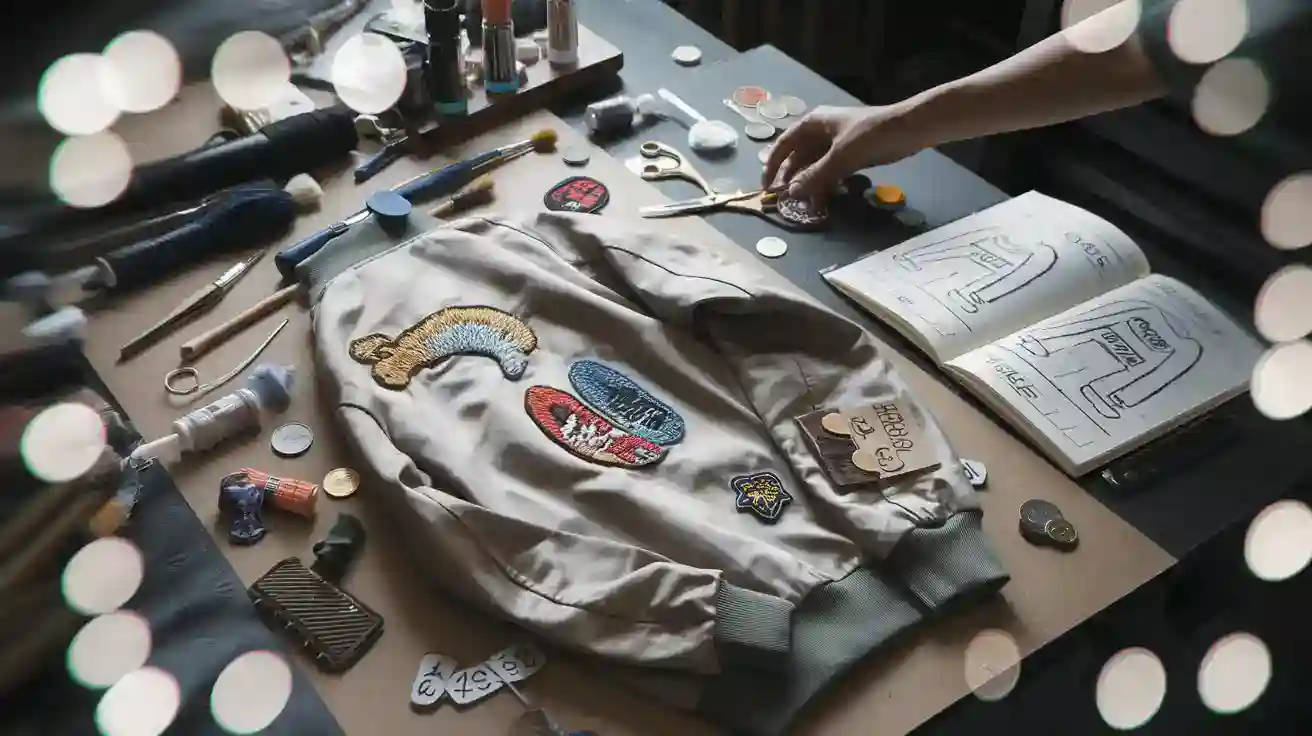
When I design custom jackets, I rely on crafts like patches, embroidery, and screen printing to create standout pieces. These techniques give me the freedom to showcase personality and style in every detail. Costs shift based on material quality, design intricacy, and the customization method I select. I always recommend weighing personal style, budget, and the unique value that made-to-order options bring to any wardrobe.
Key Takeaways
Custom jackets allow for personal expression through various crafts like patches, embroidery, and screen printing.
Patches can be sewn or ironed on, with sew-on patches offering durability and iron-on patches providing quick customization.
Embroidery adds intricate details and can be done by hand for a personal touch or by machine for consistency.
Screen printing is ideal for bold graphics and logos, making it a popular choice for promotional jackets.
Painting transforms jackets into unique canvases, but requires special care to maintain the artwork.
Choosing the right materials, like denim for durability or leather for a premium look, is crucial for successful custom projects.
Budgeting is essential; consider material costs, labor, and design complexity to avoid overspending.
Custom jackets make meaningful gifts, as they can be personalized to reflect the recipient’s interests and memories.
Crafts for Custom Jackets
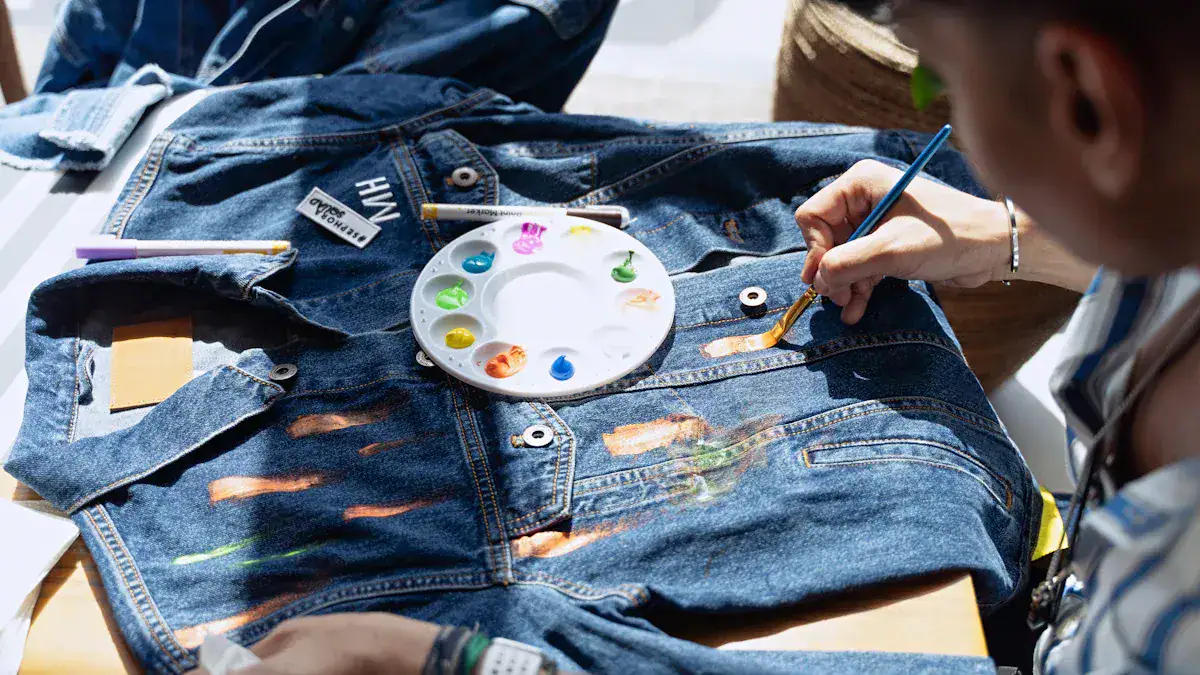
When I work on custom jackets, I rely on a range of crafts to achieve unique results. Each technique offers distinct visual effects and personalization options. I want to share my experience with the most popular crafts for custom jackets.
Patches
Patches remain one of my favorite crafts for adding character to jackets. I use them to showcase logos, artwork, or personal symbols. Patches come in many shapes and materials, which lets me tailor each jacket to the wearer’s style.
Sew-on
Sew-on patches give me the most durability. I stitch them directly onto the fabric, which ensures they stay in place even after repeated washing. I often choose sew-on patches for denim jackets because the material holds stitches well. This craft allows me to layer patches and create a textured look.
Tip: I always use a strong thread and reinforce the corners to prevent peeling.
Iron-on
Iron-on patches offer a quick solution when I need fast customization. I apply heat with an iron, which activates the adhesive backing. This method works best for lighter fabrics. I recommend iron-on patches for temporary designs or when I want to experiment with placement before committing to sewing.
Embroidery
Embroidery stands out as one of the most versatile crafts in my toolkit. I use embroidery to add intricate details, names, or patterns to custom jackets. The texture and color options make this craft ideal for both subtle and bold designs.
Hand Embroidery
Hand embroidery gives me full control over every stitch. I use this craft for small, detailed designs or when I want to add a personal touch. Hand embroidery takes time, but the results feel unique and artisanal. I often select this method for one-of-a-kind gifts.
Machine Embroidery
Machine embroidery lets me produce consistent and complex patterns quickly. I rely on digital designs and specialized equipment to create logos or large motifs. This craft suits bulk orders or when I need precise replication across multiple jackets.
Screen Printing
Screen printing is another essential craft for custom jackets. I use it to apply bold graphics, text, or logos. The process involves pressing ink through a mesh screen onto the fabric, which creates sharp and vibrant images.
Logo Application
I often use screen printing for logo application. This craft allows me to reproduce company branding or team emblems with accuracy. I select high-quality inks to ensure the design lasts through wear and washing.
Design Complexity
Screen printing excels with complex designs. I can layer colors and create gradients, which gives me flexibility in artistic expression. I recommend this craft for clients who want eye-catching visuals or promotional jackets.
Note: I always test the ink on a fabric swatch before starting the full design to avoid surprises.
Each of these crafts brings something special to custom jackets. I choose the technique based on the desired effect, durability, and the client’s vision.
Painting
Painting stands out as one of the most expressive crafts I use for custom jackets. I rely on fabric paints to create vibrant artwork, abstract patterns, or even realistic portraits. This technique allows me to transform a plain jacket into a wearable canvas.
Fabric Paints
I select fabric paints based on the jacket material and the desired finish. Acrylic-based paints work well for denim and canvas. I prefer them because they offer bold colors and resist fading. For leather jackets, I choose specialized leather paints that bond with the surface and remain flexible. I always test the paint on a hidden area before starting the main design.
Here are the types of fabric paints I use most often:
Paint Type | Best For | Finish | Durability |
|---|---|---|---|
Acrylic Fabric | Denim, Canvas | Matte/Glossy | High |
Leather Paint | Leather | Satin/Glossy | Very High |
Metallic/Shimmer | Accents/Details | Shiny | Moderate |
Tip: I apply multiple thin layers instead of one thick coat. This method prevents cracking and ensures even coverage.
Care Tips
Painted jackets require special care to preserve the artwork. I recommend hand washing with cold water and mild detergent. I avoid scrubbing the painted areas. I hang the jacket to dry in a shaded spot to prevent color fading. For long-lasting results, I sometimes seal the design with a clear fabric medium.
Always wash painted jackets inside out.
Never use bleach or harsh chemicals.
Store in a cool, dry place away from direct sunlight.
Studs & Rhinestones
Studs and rhinestones add dimension and sparkle to custom jackets. I use these crafts to create edgy, glamorous, or punk-inspired looks. Placement and application play a crucial role in the final effect.
Placement
I plan the placement of studs and rhinestones before attaching them. I sketch the design on paper and mark the jacket with tailor’s chalk. Strategic placement highlights features like pockets, collars, or sleeves. I sometimes create geometric patterns or spell out words for a bold statement.
Note: I avoid placing studs in areas that bend frequently, such as elbows, to prevent discomfort.
Application
I use different tools for applying studs and rhinestones. For studs, I press the prongs through the fabric and fold them securely. For rhinestones, I rely on fabric glue or a heat applicator. I check each piece to ensure it sits flat and does not snag. I always inspect the jacket after application to confirm durability.
Use pliers for prong studs.
Choose high-quality glue for rhinestones.
Test adhesion by gently tugging each piece.
Appliqué
Appliqué is one of the most versatile crafts in my repertoire. I layer fabrics, shapes, and textures to create intricate designs on custom jackets. This technique allows me to add depth and tactile interest.
Textures
I select materials with different textures for appliqué. Velvet, felt, and lace offer unique tactile experiences. I combine smooth and rough fabrics to make the design pop. I often use contrasting colors to highlight the texture differences.
Material | Texture | Visual Effect |
|---|---|---|
Velvet | Soft | Rich, Luxurious |
Felt | Dense | Bold, Playful |
Lace | Delicate | Elegant, Subtle |
Layering
Layering is essential in appliqué crafts. I stack shapes and fabrics to build complexity. I start with a base layer and add smaller pieces on top. I secure each layer with stitching or fabric adhesive. This method creates a three-dimensional effect that stands out on custom jackets.
Tip: I always plan the layering sequence before attaching any pieces. This approach prevents bulkiness and ensures a smooth finish.
Effects of Crafts on Custom Jackets
When I design custom jackets, I see firsthand how different crafts transform each piece. The choice of technique influences not only the appearance but also the emotional connection and practical use of the jacket.
Visual Impact
Statement vs. Subtle
Crafts allow me to create jackets that range from bold statement pieces to understated classics. Large embroidered motifs or clusters of rhinestones make a jacket stand out in any crowd. On the other hand, a single patch or a delicate appliqué can add a subtle touch that feels personal without overwhelming the design. I always ask clients if they want their jacket to be a conversation starter or a quiet reflection of their style.
Tip: I recommend sketching your design ideas to decide if you prefer a dramatic effect or a minimalist look.
Color & Texture
Color and texture play a major role in the final effect of crafts. I use vibrant fabric paints and metallic threads to add energy and depth. Textured crafts like appliqué and studs create a tactile experience that invites touch. By mixing smooth and rough materials, I can highlight certain areas or create visual balance. The interplay of color and texture often determines whether a jacket feels playful, elegant, or edgy.
Personal Value
Self-Expression
Crafts give me the tools to help clients express their personalities. Every custom detail, from a hand-embroidered name to a painted symbol, tells a story. I notice that jackets with personal touches become more than just clothing—they turn into wearable memories. Many clients share that their custom jackets remind them of special events or achievements.
Garments can become treasured through emotional and sensory experiences.
The process of valuing clothing is deeply personal and varies among individuals.
Custom jackets often embody unique stories and experiences, enhancing their sentimental value.
Gift Potential
Custom jackets make meaningful gifts. I often create designs that celebrate milestones, friendships, or family ties. The recipient feels valued because the crafts reflect their interests and memories. I see that these jackets often become keepsakes, cherished for years.
Findings | Implications |
|---|---|
Wearer-clothing relationships can mirror interpersonal love relationships. | Emotional durability is enhanced through personal narratives and experiences with garments. |
Longevity of these relationships is influenced by the ability to overcome setbacks. | This suggests that custom jackets, which often carry personal stories, can foster deeper connections. |
Functionality
Comfort
When I select crafts, I consider comfort as a top priority. Heavy embellishments or thick patches can affect how a jacket feels. I choose lightweight materials for areas that need flexibility. Proper placement ensures that studs or embroidery do not irritate the skin or restrict movement.
Maintenance
Maintenance is essential for preserving the look and feel of custom jackets. Some crafts, like painted designs or rhinestones, require gentle care. I advise clients to follow specific washing instructions and store their jackets properly. Durable crafts, such as machine embroidery or sew-on patches, withstand regular use and cleaning.
Note: Always check care labels and follow recommended cleaning methods to extend the life of your custom jacket.
Cost of Custom Jacket Crafts
When I plan custom jackets, I always analyze the cost of each craft. The final price depends on materials, labor, and the complexity of the design. I want to share how I break down these costs and offer tips for budgeting, whether you choose diy crafts or professional services.
Material Cost
Price Range
Materials form the foundation of every project. The cost of fabrics and the cost of notions can vary widely. For example, basic denim or canvas might cost $10-$30 per yard, while premium leather can reach $50 or more per square foot. Notions like thread, stabilizers, needles, and adhesives add $5-$20 per jacket. Specialty items such as rhinestones, studs, or high-quality patches can increase the total cost.
Material Type | Price Range | Notes |
|---|---|---|
Denim/Canvas | $10-$30/yard | Durable, easy for diy crafts |
Leather | $50+/sq. foot | Requires special tools |
Thread/Notions | $5-$20/jacket | Includes cost of notions |
Patches/Studs | $2-$15 each | Varies by size and quality |
I always recommend setting a materials budget before starting any custom project.
Where to Buy
I source materials from local fabric stores, online retailers, and specialty shops. For unique crafts, I sometimes visit vintage markets or order directly from manufacturers. Online platforms like Etsy and Amazon offer a wide selection for diy crafts, including custom patches and embroidery kits. I compare prices and read reviews to ensure quality.
Tip: I buy in bulk when working on multiple custom jackets to save on shipping and unit cost.
Labor & Time
DIY vs. Professional
Labor is a major factor in the overall cost. If I choose diy crafts, I invest my own time but save on professional fees. For simple patchwork or basic embroidery, diy can be cost-effective. However, complex crafts like machine embroidery or screen printing often require specialized equipment and expertise.
Professional seamstresses and designers charge based on skill and project complexity. Labor rates start at $15 per hour for basic work. Experienced professionals may charge $50 or more per hour for intricate designs or high-quality finishes. The quality of work and the complexity of the garment influence how much I pay.
Professional labor rates can exceed $50/hr for advanced crafts.
I set my own labor rate for diy crafts, usually starting at $15-$20/hr.
The more complex the design, the higher the labor cost.
Understanding how to value my time is crucial. I always factor in setup, adjustments, and final inspection when calculating labor costs.
Production Timeline
Time investment varies by craft. Simple diy crafts like iron-on patches or basic painting can take a few hours. Detailed embroidery or layered appliqué may require several days. Professional production timelines range from 3-4 weeks for custom jackets, especially when multiple crafts are involved.
Description | |
|---|---|
Material Costs | Includes thread, stabilizers, needles, and other consumables. |
Machine Time | Time taken by the embroidery machine to complete a design, calculated per stitch. |
Labor Costs | Time spent on setup, adjustments, and final inspection by the team. |
Overhead | Fixed costs like rent, utilities, and insurance associated with the business. |
I always communicate expected timelines to clients before starting a project.
Budgeting
Saving Tips
I use several strategies to manage costs for custom jackets:
Choose diy crafts for simple designs to reduce labor fees.
Buy materials in bulk or during sales.
Reuse leftover fabrics and notions from previous projects.
Start with a clear design plan to avoid costly mistakes.
Compare professional quotes and ask about setup fees.
Note: I always track expenses throughout the project to stay within budget.
Value Analysis
When I analyze the value of custom jackets, I consider both tangible and intangible factors. High-quality crafts increase durability and visual appeal. Personalization adds emotional value, making the jacket worth more to the wearer. I weigh the cost of materials, labor, and time against the uniqueness and satisfaction of the finished product.
Investing in professional crafts can yield longer-lasting results.
Diy crafts offer creative freedom and cost savings.
Custom jackets often hold sentimental value that outweighs the initial cost.
I believe thoughtful planning and smart budgeting lead to the best results in custom jacket projects.
Custom Jackets: Choosing Materials
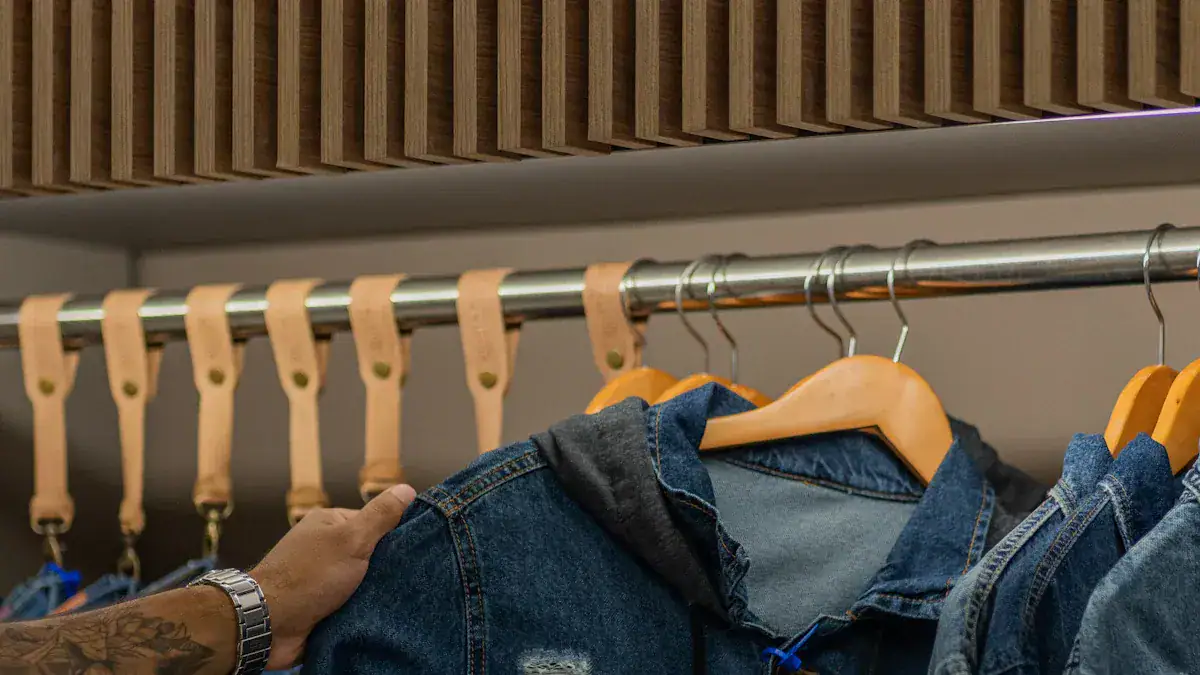
Selecting the right jacket material is the foundation of every successful custom project. I always start by considering the intended look, durability, and compatibility with the chosen craft technique. Each fabric type offers unique advantages and challenges.
Jacket Types
Denim
Denim stands out as my go-to choice for custom jackets. The sturdy weave supports embroidery, patches, and painting. I find denim easy to work with because it holds its shape and resists wear. When I apply screen printing or appliqué, the texture of denim enhances the visual effect. I recommend denim for clients who want a casual, versatile jacket that can handle bold designs.
Advantages of Denim:
Durable and long-lasting
Compatible with most crafts
Easy to clean and maintain
Leather
Leather brings a premium feel to custom jackets. I select leather when clients want a sleek, sophisticated look. The smooth surface works well for painting and specialized leather embroidery. I use leather paints and adhesives designed for flexibility. Leather requires careful handling, so I test every product before full application.
Leather Type | Best Use | Care Level |
|---|---|---|
Cowhide | Classic jackets | Moderate |
Lambskin | Soft finishes | High |
Faux Leather | Budget projects | Low |
Tip: I always condition leather before starting any craft to prevent cracking.
Canvas
Canvas offers a blank slate for creative expression. I choose canvas for custom jackets that need bold screen printing or heavy appliqué. The tight weave supports detailed work and holds color well. Canvas is lightweight, making it comfortable for everyday wear. I advise clients to select canvas when they want a jacket that balances durability with artistic flexibility.
Canvas Highlights:
Lightweight and breathable
Ideal for painting and screen printing
Holds up to frequent washing
Preparation
Cleaning
Proper cleaning is essential before starting any custom craft. I wash denim and canvas jackets to remove sizing and dust. For leather, I use a gentle cleaner and a soft cloth. Clean surfaces ensure that paints, adhesives, and threads bond securely. I never skip this step because it prevents future issues with peeling or fading.
Cleaning Checklist:
Wash denim and canvas in cold water.
Air dry to avoid shrinkage.
Wipe leather with a damp cloth and conditioner.
Inspect for stains or residue.
Testing
Testing materials saves time and prevents costly mistakes. I always test paints, adhesives, and threads on a hidden area of the jacket. This step helps me check for colorfastness and compatibility. I observe how the fabric reacts to heat, glue, or stitching. If I see any issues, I adjust my technique or switch products.
Note: I recommend keeping a small swatch of each material for future testing.
Choosing the right jacket type and preparing it properly sets the stage for a successful custom project. I rely on these steps to deliver high-quality results every time.
Crafts to Make and Sell: Marketable Customization
When I focus on crafts to make and sell, I always look for techniques that combine creativity, durability, and market appeal. Buyers want unique pieces that stand out, so I select crafts that deliver both style and quality. Over time, I have noticed that certain crafts consistently attract attention and drive sales in the custom jacket market.
Popular Techniques
Patches
Patches remain one of the most reliable crafts to make and sell. I create patches in a variety of shapes, colors, and themes. These crafts allow me to offer both ready-made and personalized options. Many buyers love patches because they can easily update their jackets or express their interests. I often use high-quality threads and fabrics to ensure my patches last through repeated wear and washing.
Embroidery
Embroidery stands out among crafts to make and sell because it adds a professional and polished look. I use both hand and machine embroidery to create intricate designs, names, and logos. Buyers appreciate the texture and detail that embroidery brings to custom jackets. I find that embroidered logos, especially for teams or businesses, are always in demand. This craft lets me offer both subtle accents and bold statement pieces.
Screen Printing
Screen printing is another essential craft in my collection of crafts to make and sell. I use this technique to apply vibrant graphics, slogans, and artwork. Screen printing works well for bulk orders, such as team jackets or event merchandise. I select high-quality inks to ensure the prints remain crisp and colorful. Buyers often request screen-printed designs for their durability and visual impact.
Tip: I always test new inks and fabrics before launching a new line of screen-printed jackets.
Design Trends
Styles
I keep a close eye on trending crafts and styles in the market. Buyers now look for vibrant prints, creative patterns, and unique color combinations. I use DTF (Direct to Film) technology to achieve crisp, vibrant prints that appeal to teams and corporate clients. Custom embroidered logos continue to gain popularity, especially for marketing and team representation. I also notice a growing interest in playful and artistic designs that allow for personal expression.
Themes
Themes play a big role in the success of crafts to make and sell. I design custom team jackets with logos, colors, and personalized elements to boost team spirit. Matching jackets for couples, featuring initials or special graphics, have become a favorite among buyers seeking unique styles. I also create jackets that celebrate pop culture, nature, and abstract art. These themes help my handmade products stand out in a crowded marketplace.
Here is a table summarizing the latest design trends that drive sales in online marketplaces:
Design Trend | Description |
|---|---|
Vibrant Prints | Utilizing DTF technology for crisp, vibrant prints, ideal for teams and corporate jackets. |
Custom Embroidered Logos | Adds a polished touch, perfect for marketing and team representation. |
Creative Patterns | Offers a variety of playful and artistic designs, appealing to personal expression. |
Custom Team Jackets | Enhances team spirit with logos, colors, and personalized elements. |
Custom Jackets for Couples | Features matching designs with initials or graphics, catering to couples seeking unique styles. |
I always adapt my crafts to match these trends, ensuring my crafts to make and sell remain relevant and desirable. By focusing on quality, creativity, and current styles, I build a loyal customer base that values both the artistry and the story behind each custom jacket.
Planning & Mistakes to Avoid
When I plan custom jacket projects, I focus on careful design, precise placement, and smart budgeting. Over the years, I have learned that a strong plan prevents costly errors and ensures a smooth diy process. Here, I share my approach to layout, mockups, and avoiding common pitfalls.
Design Planning
Layout
I always start with accurate measurements and a clear layout. For balanced placement, I measure from reference points like the collar seam. I center the design between side seams and avoid stitching over bulky seams or construction elements. This protects both the design and my machine. I double-check alignment, especially on jackets with decorative panels or yokes. When adding embroidery above a pocket, I center it for a cohesive look. I use the collar seam as my vertical starting point and add half the logo’s height for perfect centering.
Best Practice | Description |
|---|---|
Measure from reference points | Measure 8–10 inches down from the collar seam for left chest placement. |
Center the design | Place the design between side seams for balance. |
Avoid seams | Do not stitch over seams or heavy construction elements. |
Double-check alignment | Ensure centerline alignment on yokes or panels. |
Pocket placement | Center embroidery above or on the pocket. |
Use collar seam as start | Begin vertical measurements from the collar seam. |
Add logo height for centering | Add half the logo’s height for accurate centering. |
Mockups
Before I commit to any craft, I create mockups. I sketch the design on paper or use digital tools to visualize placement and scale. This step helps me catch layout issues early. I sometimes pin paper cutouts to the jacket to see how the design looks in real life. Mockups save time and reduce the risk of expensive mistakes during diy projects.
Common Mistakes
Misplacement
I have seen many crafters make placement errors. Wearing bulky clothes while measuring can add extra inches, making the jacket too loose. Measuring too tightly or loosely also leads to poor fit. I always stand naturally when measuring to ensure the best fit for real-life wear. Ignoring fabric weight can cause the design to drape poorly. Skipping professional help sometimes results in low-quality custom jackets. I recommend consulting a tailor if you feel unsure.
Wear fitted clothes when measuring.
Keep the tape snug but not tight.
Stand naturally for accurate measurements.
Consider fabric weight for proper drape.
Seek professional advice for complex projects.
Material Issues
Material selection impacts both cost and quality. Cotton offers breathability and a soft texture, making it ideal for everyday wear. Polyester provides durability and moisture management, which suits active lifestyles. Fleece delivers warmth and coziness for colder weather. The quality of custom jackets depends on both the materials and the craftsmanship. I always match the material to the intended use and design complexity.
Cotton: Soft, breathable, great for daily wear.
Polyester: Durable, manages moisture, good for active use.
Fleece: Warm, cozy, best for cold climates.
Budget Overruns
Cost Estimation
Accurate cost estimation is essential for every diy project. I calculate the price of materials, labor, and design complexity before starting. The number of jackets ordered also affects the total cost. I use a spreadsheet to track expenses and adjust my plan if needed. This approach helps me avoid surprises and stay within budget.
Overspending
Overspending often happens when I skip planning or underestimate the cost of materials and labor. I set a clear budget and stick to it. I buy supplies in bulk when possible and reuse leftover materials from previous crafts. I avoid adding unnecessary features that increase the cost without improving the final product. Careful planning and disciplined spending keep my diy projects affordable and enjoyable.
Tip: Always review your budget before making any purchase. Small savings on each step add up to a significant reduction in overall cost.
Crafting custom jackets lets me elevate style and create lasting personal value. I see how branded designs boost morale and foster loyalty among wearers. Careful planning always leads to better results. I select durable materials and offer flexible options, which ensures satisfaction for every client.
Custom jackets increase brand visibility and make customers feel valued.
Thoughtful planning helps me match materials and techniques to each project’s needs.
Creativity in jacket design brings real satisfaction. Every project becomes a unique story.
FAQ
How do I choose the best craft for my custom jacket?
I consider the jacket material, desired effect, and budget. For durability, I prefer embroidery or sew-on patches. For bold visuals, I use screen printing or painting. I always test techniques on a fabric swatch first.
Can I wash my custom jacket without damaging the design?
I wash custom jackets inside out using cold water and mild detergent. I avoid bleach and harsh chemicals. For painted or embellished jackets, I recommend hand washing and air drying to preserve the design.
How long does it take to complete a custom jacket?
Simple designs take me a few hours. Complex projects with embroidery or multiple crafts require several days. Professional orders usually take 3–4 weeks, especially if I need to source special materials.
What is the average cost for a custom jacket?
Material costs range from $20 to $100. Labor fees start at $15 per hour. Professional designs with premium materials can exceed $200. I always provide a detailed quote before starting any project.
Can I use iron-on patches on leather jackets?
I avoid iron-on patches for leather. The heat can damage the surface. I prefer sew-on patches or specialized adhesives for leather jackets. I always test on a hidden area first.
What mistakes should I avoid when customizing jackets?
I double-check measurements and placement. I select compatible materials. I avoid rushing the design process. I track expenses to prevent overspending. I always create a mockup before finalizing the design.
Are custom jackets a good gift idea?
Custom jackets make memorable gifts. I personalize designs to reflect the recipient’s interests. These jackets often become keepsakes. I recommend adding names, dates, or meaningful symbols for extra sentimental value.
Where can I buy supplies for DIY custom jackets?
I shop at local fabric stores, online retailers like Etsy and Amazon, and specialty shops. I compare prices and read reviews. I buy in bulk for multiple projects to save money.