

How to Choose the Right Work Uniform Company for Your Industry
Table of Contents
Display
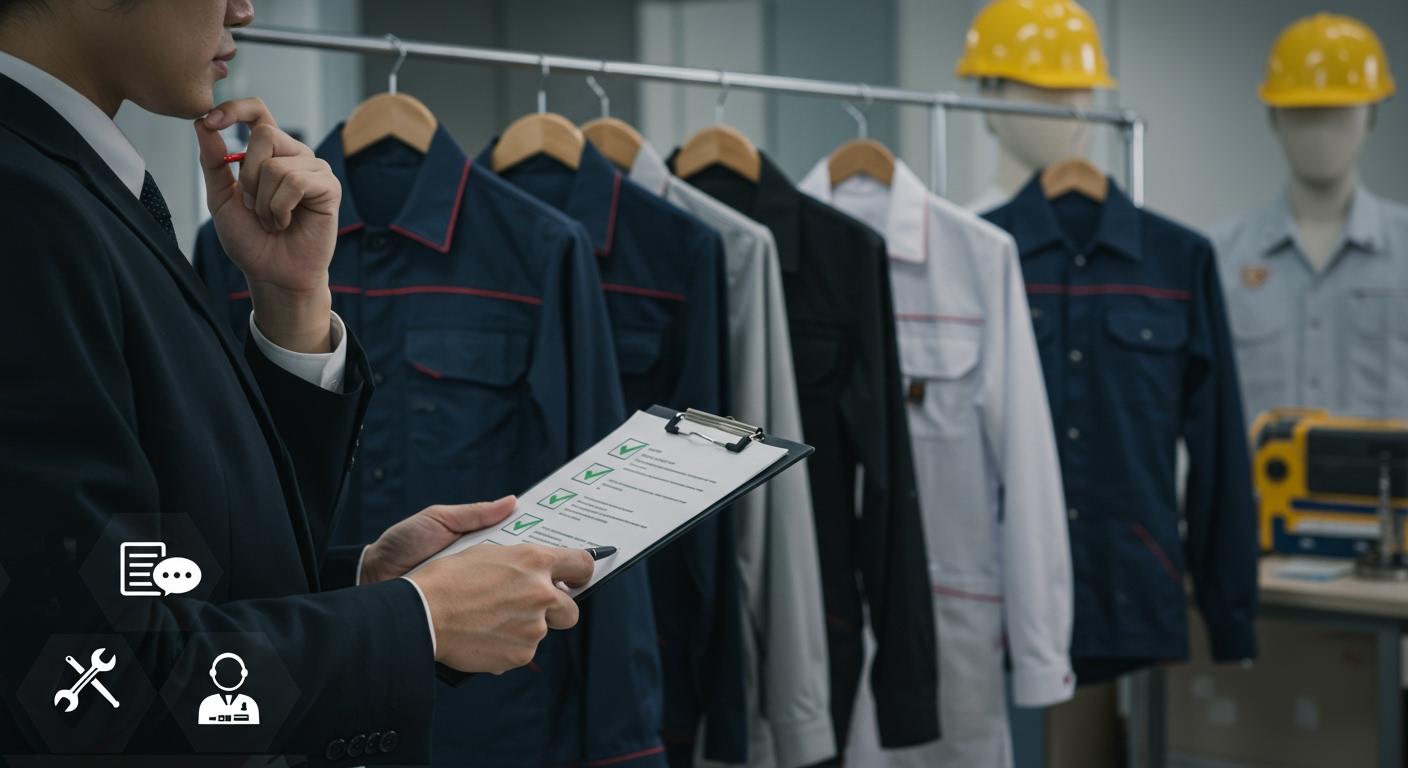
Choosing the right work uniform company shapes your business image and daily operations. When you select uniforms that fit your industry, you improve safety, compliance, and employee satisfaction. Companies that invest in high-quality, comfortable uniforms see a noticeable difference:
An 8% rise in job performance
Partnering with a professional provider leads to measurable benefits:
Evidence Type | Description |
|---|---|
Uniforms create immediate brand recognition, enhancing the professional image of the business. | |
Professional Atmosphere | Establishing a professional atmosphere improves customer perception and trust. |
Team Cohesion | Uniforms promote team cohesion, which can lead to increased employee morale. |
Compliance | Ensuring compliance with industry standards can enhance operational efficiency. |
Employee Productivity | A cohesive look improves employee productivity in various workplace environments. |
A thoughtful approach to choosing among work uniform companies ensures you meet industry standards and foster a positive workplace.
Key Takeaways
Identify specific job roles to determine uniform needs. Different positions require different uniforms for safety and comfort.
Prioritize safety and compliance with industry regulations. Choose uniforms that meet safety standards to protect your team.
Align uniforms with branding goals. Select colors and styles that reflect your company’s identity and enhance customer recognition.
Focus on fabric and features that suit your work environment. Choose breathable materials for hot areas and durable fabrics for high-risk jobs.
Evaluate uniform companies based on compliance, quality, and customer service. Look for certifications that ensure high standards.
Consider durability to save costs in the long run. High-quality uniforms last longer and reduce the need for frequent replacements.
Utilize customization options to enhance team spirit. Branded uniforms promote professionalism and a strong company image.
Implement a clear decision checklist and involve stakeholders. Gather input from employees to ensure the uniform program meets everyone’s needs.
Define Needs
Job Roles
You should start by identifying the specific job roles within your organization. Each position has unique uniform needs. For example, a chef requires a different uniform than a receptionist. You must consider the daily tasks and work environment for each role. In manufacturing, workers need uniforms that protect them from hazards. Healthcare staff require garments that support hygiene and comfort. Hospitality employees benefit from stylish and functional attire. By mapping out these job roles, you ensure that every employee receives the right work uniforms for their responsibilities.
Tip: Ask your team for feedback on their current uniforms. Employees can highlight what works and what needs improvement.
Safety & Compliance
You must prioritize safety compliance when choosing uniforms. Every industry has workplace safety regulations and occupational safety standards that guide uniform needs. In manufacturing, uniforms often include fire-resistant or chemical-resistant fabrics. Healthcare uniforms focus on infection control and easy cleaning. Hospitality uniforms may require heat-resistant materials for kitchen staff. These industry-specific requirements protect your team and help you meet legal obligations.
Sector | Key Requirements |
|---|---|
Healthcare | Strict sanitation, infection control, hygienically clean garments, easy-to-clean materials |
Hospitality | Professional appearance, comfort-friendly designs, easy maintenance, heat-resistant fabrics for chefs |
Manufacturing | Safety standards, durability, fire-resistant and chemical-resistant fabrics, high-visibility clothing |
You should review local and national uniform laws before contacting work uniform companies. This step ensures you select industry-compliant uniforms that meet all safety compliance standards.
Branding Goals
Uniforms play a key role in shaping your brand identity. You want your team to represent your business in a professional way. In retail, uniforms help customers recognize staff and improve their experience. In healthcare, uniforms focus on comfort and practicality, supporting staff during long shifts. You should choose colors, logos, and styles that match your brand identity and workplace culture.
Retail uniforms enhance customer experience and brand recognition.
Healthcare uniforms prioritize comfort and practicality for long shifts.
You need to align your uniform needs with your branding goals. This approach helps you create a consistent and positive image for your business.
Fabric & Features
When you choose work uniforms, you need to focus on the fabric and features that match your industry’s demands. The right fabric can improve comfort, safety, and performance. You should start by thinking about the daily environment your employees face. For example, workers in hot kitchens need breathable, moisture-wicking fabrics. Employees in cold storage require insulated materials. If your team works outdoors, you should look for UV protection and water resistance.
High-risk environments, such as construction sites or manufacturing plants, require special attention. The visibility of your workers can prevent accidents and save lives. Studies show that high-visibility clothing, with features like fluorescent colors and reflective tape, plays a key role in worker safety. These uniforms also need to be durable and flexible so your team can move freely and stay protected.
Note: High-visibility clothing significantly reduces the risk of workplace injuries. Key features include fluorescent colors, reflective tape, breathability, and durability.
You should consider the following features when selecting fabrics for high-risk jobs:
360° Reflective Striping: This keeps workers visible from all angles, even in low-light conditions.
ANSI-Compliant Options: Certified hi-vis gear meets strict safety standards for hazardous job sites.
Durable & Flexible Fabrics: These materials withstand tough work and allow comfortable movement.
For a clear comparison, review this table of essential features for high-visibility uniforms:
Feature | Description |
|---|---|
Fluorescent Background | Bright colors like yellow, orange, or red for good daytime visibility. |
Retroreflective Material | Reflects light at night or in dim lighting for visibility. |
Design and Placement | Reflective materials should cover 360 degrees of the body. |
Performance Criteria | Includes colorfastness, tear resistance, tensile strength, and cold flexibility. |
Additional Considerations | Flame resistance, water resistance, breathability, and comfort and fit. |
You should also think about the daily care and maintenance of the uniforms. Easy-to-clean fabrics save time and keep your team looking professional. Stain resistance and colorfastness help uniforms last longer and maintain their appearance. If your employees have allergies or sensitive skin, hypoallergenic materials can make a big difference.
Ask your employees for feedback on their current uniforms. They can tell you if the fabric feels comfortable or if certain features help them do their jobs better. You should also check if the uniforms meet any industry-specific regulations for fabric type or safety features.
By focusing on the right fabric and features, you help your team stay safe, comfortable, and productive. This careful approach ensures your uniforms support both your business goals and your employees’ needs.
Evaluate Work Uniform Companies
Choosing the right partner among work uniform companies requires careful evaluation. You want to ensure your supplier meets industry standards, delivers consistent quality, and supports your business with reliable service. This section guides you through the most important factors to consider.
Compliance & Quality
You should always check if your supplier holds the necessary certifications. Certifications like ISO 9001 show that a company follows strict quality management systems. This certification means the company meets customer expectations and regulatory requirements. For industries that demand hygienically clean textiles, look for TRSA HCFS Certifications. These certifications involve third-party audits and regular microbial testing, which help guarantee worker cleanliness and safety. Clean Green Certification also matters if your business values sustainable practices in business uniforms.
Certification Type | Description |
|---|---|
ISO 9001 | Ensures a robust quality management system across industries, affirming compliance with customer expectations and regulatory mandates. |
TRSA HCFS Certifications | Provides third-party validation for hygienically clean food safety textiles, ensuring additional scrutiny and quality assurance. |
Clean Green Certification | Focuses on environmentally friendly practices in the production of work uniforms. |
ISO 9001 requires regular third-party audits to ensure adherence to quality management standards. TRSA’s Hygienically Clean Certification includes quarterly microbial testing, which provides extra assurance for clients in sensitive industries.
Factory uniform suppliers with these certifications demonstrate a commitment to quality and compliance. You should also ask about their quality control methods. Leading factory uniform suppliers use centralized documentation systems, standardized templates, and regular audits. These practices help maintain high-quality uniforms and ensure industry-compliant uniforms for your team. Customer feedback integration and rigorous final inspections further guarantee that you receive a proper uniform solution every time.
Description | |
|---|---|
Centralized Documentation Systems | Digital platforms centralize quality-related documents, enhancing collaboration and accountability. |
Standardized Templates | Templates ensure consistency across inspections and reports, aiding in trend identification. |
Regular Audits | Audits help maintain accurate records and incorporate customer feedback for continuous improvement. |
Customer Feedback Integration | Systems are in place to gather and act on customer feedback, driving real-time improvements. |
Rigorous Final Inspections | Final inspections ensure uniforms meet performance and design expectations consistently. |
When you evaluate best uniform suppliers, always request proof of certifications and ask about their quality control processes. This step helps you avoid costly mistakes and ensures your employee uniforms meet all safety and functionality requirements.
Durability
Durability is a key factor when selecting factory uniform suppliers. You want long-lasting uniforms that withstand daily wear and tear. High-quality uniforms save you money over time because you replace them less often. Ask suppliers about the materials they use and the testing methods for durability. Some suppliers offer samples or case studies that show how their work uniforms perform in real-world conditions.
Look for best uniform suppliers who use durable fabrics and advanced construction techniques. Reinforced stitching, tear-resistant materials, and colorfast dyes all contribute to the durability of business uniforms. Factory uniform suppliers who focus on durability help you maintain a professional appearance and reduce replacement costs. This approach also supports cost-effective solutions for your business.
Tip: Request information about warranty policies and after-sales support. Reliable suppliers stand behind their products and offer help if you encounter issues with durability.
Customer Service
Customer service sets professional uniform company partners apart from ordinary vendors. You need a supplier who responds quickly, addresses concerns, and supports you throughout the uniform design and ordering process. Leading factory uniform suppliers measure customer satisfaction through face-to-face visits, performance report cards, and wearer satisfaction surveys. For example, UniFirst reports a 97% service satisfaction rate using these methods. Roscoe uses annual customer interviews with ten key evaluation criteria to track performance and identify areas for improvement.
You should ask potential suppliers how they handle orders, delivery timelines, and problem resolution. Fast response times and clear communication show that a supplier values your business. Factory uniform suppliers who invest in customer feedback systems and continuous improvement deliver better service and more customised uniforms. This level of support ensures you receive the proper uniform solution for your team, every time.
Note: For over 26 years, some suppliers have focused on continuous improvement by regularly gauging customer satisfaction through professional interviews. This commitment helps them stay competitive and responsive to your needs.
When you evaluate work uniform companies, consider compliance, quality, durability, and customer service. These factors help you choose a supplier who delivers high-quality, long-lasting uniforms that meet your industry’s needs for worker cleanliness and safety, functionality, and brand image.
Comfort & Customization
Fit Options
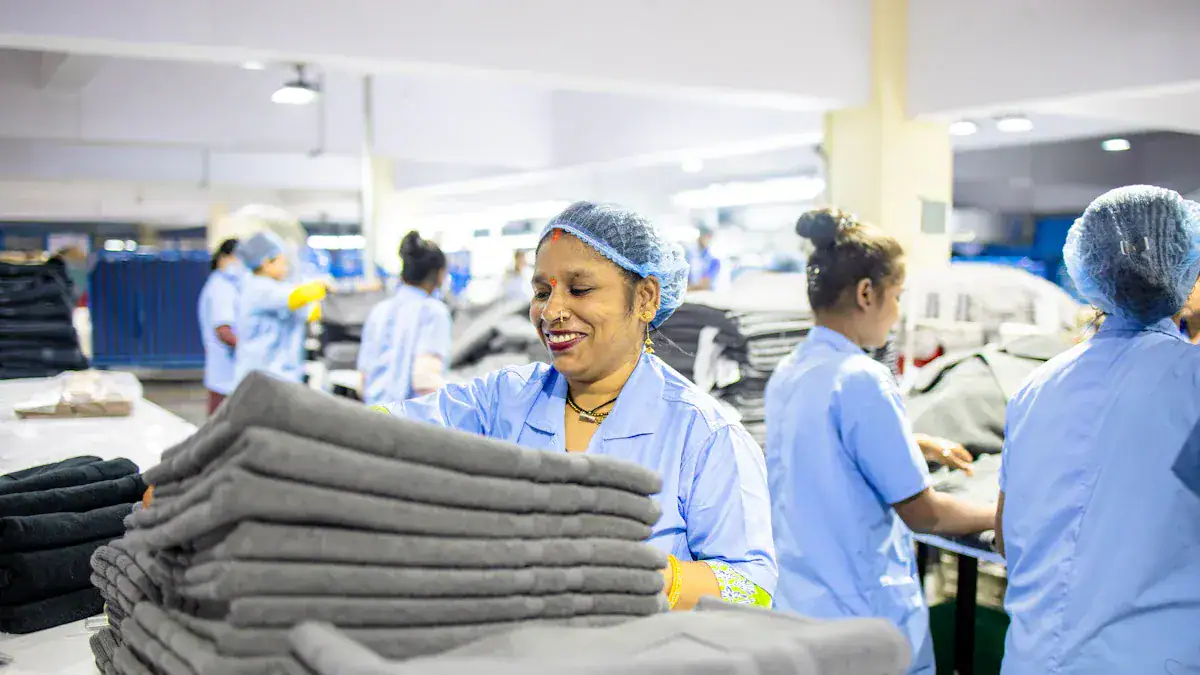
You need uniforms that fit every member of your team. A proper fit boosts confidence and helps employees perform their best. Many professional uniform companies now offer a wide range of sizing and style choices. You can find uniforms designed specifically for women, which enhance comfort and promote inclusion. Female-specific options also improve safety and functionality in the workplace.
Tip: Understanding diverse body shapes and sizing needs is crucial for comfort and satisfaction.
When you work with a custom uniform provider, you can expect these fit solutions:
Companies offer inclusive sizing for all body types.
You can select from a variety of fabric types and styles.
Tailored uniforms help every employee feel valued and comfortable.
Fabric Comfort
The fabric you choose for your uniforms affects how your team feels throughout the day. Cotton and poly-cotton blends are the most popular choices among leading suppliers. Cotton stands out for its softness and affordability. Poly-cotton blends add durability while keeping the fabric light and breathable. Linen is another strong option, especially in hot environments. It may feel rough at first, but it softens over time and becomes just as comfortable as cotton.
Uniform solutions should also address different climates and work environments. Lightweight materials work well in warm regions, while heavier fabrics provide warmth in colder areas. If your team has sensitive skin or specific religious needs, hypoallergenic or easy-to-clean fabrics can make a big difference.
Custom Branding
Uniforms do more than provide comfort—they also represent your brand. Customization options let you add logos, names, and unique designs to your uniforms. This helps your team look professional and builds a strong company image. Branded uniforms can also boost morale and foster team spirit.
Here are some common customization methods:
Customization Method | Description |
|---|---|
Embroidery | Durable and professional-looking option ideal for logos and text on various uniform items. |
Screen Printing | Cost-effective for larger quantities and complex designs, suitable for t-shirts and casual wear. |
Heat Transfer | Allows for detailed, full-color designs that maintain visual integrity through multiple washes. |
Direct-to-Garment Printing | Offers high-definition printing with exceptional detail for complex graphics. |
Custom Fabric and Color Selection | Ability to match corporate color schemes or create custom patterns with branded elements. |
You can also use emblems or sublimation for a unique look. These methods ensure your uniforms stand out and align with your company’s identity.
Branding: Uniforms serve as a marketing tool, enhancing company image.
Professionalism: Logos and names on uniforms promote a professional appearance.
Morale: Branded materials foster team spirit and pride among employees.
When you choose a custom uniform provider, you gain access to a wide range of customization options. This ensures your uniforms deliver both comfort and a strong brand presence.
Value-Added Services
Maintenance Programs
You want your uniforms to look sharp and last longer. Many work uniform companies offer maintenance programs that handle cleaning, repairs, and replacements. These services help you keep uniforms in top condition without extra effort from your team. Regular maintenance also ensures that uniforms meet your company’s quality standards and safety requirements. When you choose a provider with a strong maintenance program, you reduce the risk of worn-out or damaged uniforms affecting your business image.
Tip: Ask your supplier if they offer scheduled pickups and deliveries for uniform cleaning. This service saves time and keeps your team focused on their work.
Inventory Management
Managing uniform inventory can be a challenge, especially as your business grows. Leading suppliers use digital solutions to track and manage uniforms for every employee. These systems help you avoid shortages, overstock, and lost items. You gain better control over costs and ensure that every team member has the right uniform when needed.
The implementation of advanced inventory management programs, such as those from UniFirst, has led to significant improvements in operational efficiency, cost savings, and customer satisfaction for many companies. Digital tools streamline processes, reduce errors, and make it easier to scale your uniform program as your team expands.
Digital management saves time and reduces mistakes.
Automated systems help you handle large uniform needs with precision.
Modern technology increases agility and responsiveness.
Effective inventory management gives your business a competitive edge.
A custom uniform provider with strong inventory management can help you maintain high standards and support your long-term growth.
Delivery & Replacement
Fast and reliable delivery is essential for keeping your team equipped and ready. Top uniform suppliers offer quick turnaround times for both new orders and replacements. For example, Service Wear Apparel delivers uniforms in less than 14 business days. All Sports Uniforms can ship orders the same or next business day if placed before noon Eastern Time. For decorated uniforms, delivery from Georgia takes about 5-7 business days.
Supplier | Average Delivery Time |
|---|---|
Service Wear Apparel | Less than 14 business days |
All Sports Uniforms | Same or next business day (before Noon EST) |
All Sports Uniforms | 5-7 business days for decorated uniforms |
Quick delivery and easy replacement services help you avoid downtime and keep your operations running smoothly. When you select a provider, ask about their delivery guarantees and how they handle urgent requests. Reliable delivery and replacement services show a commitment to quality and customer satisfaction.
Note: Choose a supplier who offers flexible customization options and stands behind their service with clear delivery timelines.
Compare Best Uniform Suppliers
Cost Analysis
You want to make smart decisions when comparing best uniform suppliers. Price plays a big role in your choice. Uniform costs can vary based on industry, quality, and customization. You should look at the price range for each type of uniform before you commit. The following table shows how prices differ across industries:
Industry | Price Range (USD) | Notes |
|---|---|---|
Corporate Uniforms | $25 – $200 | Prices vary based on brand and customization. Bulk orders reduce costs. |
School Uniforms | $20 – $60 | Prices depend on quality and bulk purchasing. |
Sports Uniforms | $25 – $100 | Varies with quality and brand; official merch is pricier. |
Restaurant Uniforms | $25 – $80 | Bulk purchases lower costs; customization affects pricing. |
Safety Uniforms | $80 – $200 | Prices depend on safety features included. |
Hospitality Uniforms | $60 – $200 | Higher quality and specific customizations increase costs. |
You should compare quotes from several factory uniform suppliers. Ask for detailed breakdowns of costs, including customization, delivery, and maintenance. Some suppliers offer discounts for bulk orders, which can help you save money. You need to check if the price includes value-added services like repairs or replacements. These extras can make a big difference in your total spending.
Tip: Always ask factory uniform suppliers about hidden fees or extra charges. Transparent pricing helps you avoid surprises.
Long-Term Value
Cost matters, but long-term value matters more. You want uniforms that last and support your business goals. When you compare factory uniform suppliers, look beyond the initial price. Consider durability, comfort, and service quality. High-quality uniforms reduce replacement costs and keep your team looking sharp. Reliable suppliers offer strong warranties and responsive customer service.
You should evaluate how factory uniform suppliers handle repairs and replacements. Fast service keeps your team ready for work. Some suppliers provide maintenance programs that extend the life of your uniforms. These programs save you time and money over the years.
You also need to think about how uniforms affect your brand. Best uniform suppliers offer customization options that help you stand out. Branded uniforms boost team spirit and customer trust. You should choose work uniform companies that support your growth and adapt to your changing needs.
Durable uniforms lower long-term costs.
Responsive service keeps your team productive.
Custom branding builds a strong company image.
When you compare factory uniform suppliers, focus on both price and long-term value. This approach helps you find the best uniform suppliers for your business.
Vendor vs. Professional Uniform Company
Communication
You need clear and reliable communication when managing your uniform program. Professional uniform companies use modern systems to keep you informed at every step. You can expect online ordering platforms, real-time updates, and dedicated account managers. These features help you track orders, request changes, and solve issues quickly. Vendors may rely on outdated methods, which can lead to delays or miscommunication.
Professional uniform companies provide streamlined online ordering systems.
You receive timely updates and proactive communication.
Vendors may struggle with accuracy and timeliness due to manual processes.
When you work with a custom uniform provider, you gain access to advanced communication tools. This support helps you avoid mistakes and ensures your team always has what they need.
Support
Support services set professional uniform companies apart from basic vendors. You benefit from a full range of services that keep your uniforms clean, safe, and ready for use. Many companies offer laundry services to maintain hygiene and remove harmful substances. Maintenance programs include mending or replacing worn garments, which extends the life of your uniforms.
Uniform rental, laundering, and maintenance are often included in corporate uniform programs.
You can rely on scheduled pickups and deliveries for cleaning.
Professional companies handle repairs and replacements, reducing your workload.
Vendors may only supply the uniforms, leaving you to manage cleaning and repairs. This difference can impact the quality and appearance of your team’s attire over time.
Tip: Choose a provider that offers ongoing support to keep your uniforms in top condition.
Partnership
A professional uniform company acts as a strategic partner, not just a supplier. You receive more than just products. These companies offer consultation services, on-site evaluations, and expert advice on fabric selection. Strong partnerships lead to long-term success for your business.
Professional companies help you plan for future needs and scale your uniform program.
You receive guidance on branding and uniform selection.
Uniforms make your staff easy to identify, improving customer relations and trust.
Partnering with a uniform supplier brings benefits beyond outfitting your team. You gain solutions that enhance business operations and brand recognition. Understanding these advantages helps you make strategic decisions for your company’s future.
Decision Checklist
A clear decision checklist helps you make a confident choice when selecting a work uniform company. You want to ensure every important factor gets proper attention before you commit. Use this checklist to guide your final decision:
Inventory that won’t disappear overnight
Strong network and reliable service
Responsive support
Commitment to long-term partnership
Industry-specific needs addressed
Branding and color options
Transparent cost structure
Tip: Review each item with your team to confirm that your chosen supplier meets all your requirements.
Stakeholder Input
You should involve key stakeholders in your decision-making process. Their input ensures the uniform program fits the needs of everyone in your organization. Employees, managers, and department heads each bring unique perspectives. When you gather feedback from different groups, you create a more effective and accepted uniform program.
Evidence | Description |
|---|---|
Conducting surveys helps gather employee preferences and concerns, which can directly influence supplier selection. | |
Collaborative Decision-Making | Involving various departments ensures that the uniform program meets diverse needs, balancing managerial priorities with employee input. |
Ask employees about their preferences and comfort. Use surveys or informal meetings to collect honest feedback. Encourage managers to share operational needs and branding goals. When you include everyone, you build support for the new uniforms and reduce resistance to change.
Implementation Plan
A strong implementation plan ensures a smooth transition to your new uniform program. You want to avoid confusion and keep your team informed at every step. Follow these best practices to launch your program successfully:
Develop a clear communication strategy. Explain the benefits of the new uniforms and address any concerns.
Create detailed uniform policies. Outline requirements, care instructions, and replacement procedures.
Arrange professional sizing sessions. Accurate measurements help employees feel comfortable and confident.
Roll out the program in phases. Start with a small group to identify and fix any issues before a full launch.
Set up feedback channels. Collect employee input for ongoing improvements.
Note: A phased rollout and open feedback channels help you catch problems early and keep your team engaged.
By following this checklist and involving your stakeholders, you set your business up for a successful and lasting partnership with your chosen work uniform company.
You can secure a strong employee experience and business reputation by choosing the best uniform suppliers. Aligning with a professional uniform company supports your long-term investment through consistent branding, trust, and quality. To make the right choice, use a checklist that covers maintenance, comfort, size inclusivity, and technology. Involve your team and revisit your supplier selection regularly to maintain high standards. Work uniform companies that focus on quality help your business grow and succeed.
Maintenance and upkeep
Employee input
Comfort and practicality
Size inclusivity
Technology for management
FAQ
What should you look for in a work uniform company?
You should check for certifications, quality control, and responsive customer service. Reliable companies offer durable uniforms, customization options, and value-added services.
How do you ensure uniforms meet safety standards?
You need to review industry regulations and ask suppliers for proof of compliance. Certified uniforms protect your team and help you follow legal requirements.
Can you customize uniforms for your brand?
You can add logos, colors, and designs to uniforms. Most professional uniform companies offer embroidery, screen printing, and other branding options.
How do you manage uniform sizing for all employees?
You should request inclusive sizing and professional fitting sessions. Suppliers often provide a wide range of sizes and tailored options for comfort.
What services help maintain uniforms over time?
You can choose maintenance programs that include cleaning, repairs, and replacements. These services keep uniforms looking sharp and extend their lifespan.
How quickly can you receive new or replacement uniforms?
You should ask about delivery timelines before ordering. Many suppliers offer fast shipping, with some delivering within 5 to 14 business days.