

Electrical Contractor Field Crew Uniform OEM | Install & Service Brands
Table of Contents
Display
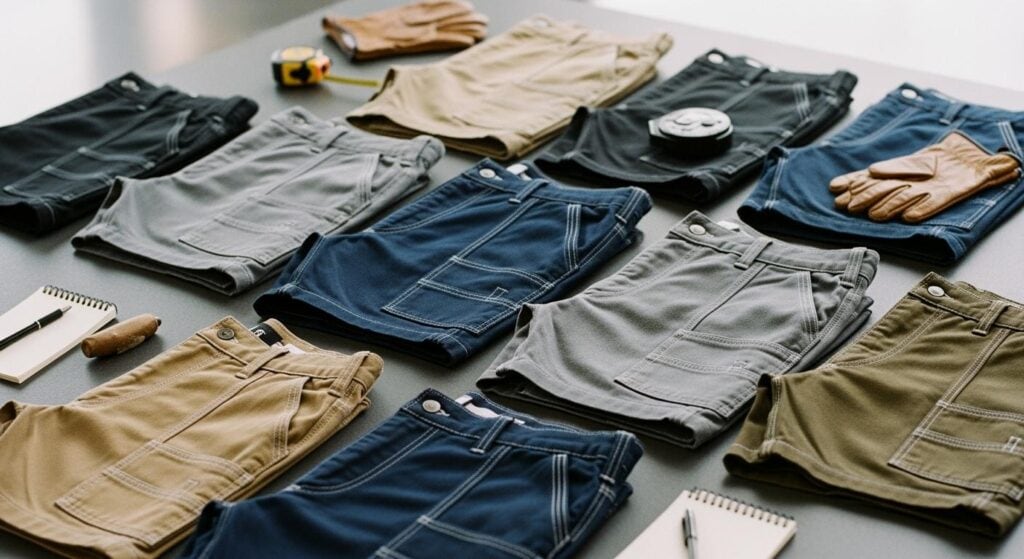
Your field crews are the face people see for your electrical service brand. Their polos, softshells, and light work jackets must hold up through installs and service calls and still look the same.
Quick takeaways:
- Build a core stack that is not PPE first.
- Pick OEM catalog or private-label branding.
- Plan order volume with your supplier before you lock the budget.
- Follow the sample-to-PPS-to-bulk path.
Shanghai Top Fortune Industry Co., Ltd. (founded ~2002; 1,506 m² Songjiang factory) makes OEM/ODM workwear for overseas electrical contractors, electrical-service brands, and regional install and maintenance operators across Europe, the Middle East, Oceania, Southeast Asia, and the Americas. Contact rill@topfortunemail.com or WhatsApp +86 13524210501.
Contents: Who It’s For · The Core Uniform Stack · Compliance Context · OEM vs. Private-Label · Building The Program · Cost, ROI, And Procurement Checklist
This is a branded apparel guide for your electrical contractor field crew uniform, not a PPE or hi-vis catalog. Arc flash and ESD show up only as compliance context.
Key Takeaways
- Build your uniform program around three core items: a performance polo, a softshell, and a light work jacket.
- Choose between an OEM catalog for speed or private-label for full brand control.
- Plan a full production run per style to get steady color and good pricing.
- Follow the sample-to-PPS-to-bulk process to catch errors before mass production.
- Treat arc flash and ESD gear as separate from your branded uniform and verify all ratings.
- Use cost per wear to compare quotes and track program ROI each season.
- Set a simple replacement rule and keep spare garments in each crew van.
- Start with one crew or style, then scale up after you validate the process.
Electrical Contractor Field Crew Uniform: Who It's For
Electrical Contractors And Service Brands
You run crews that wire panels, pull circuits, and fix faults at customer sites every day. Your brand shows up in driveways, lobbies, and mechanical rooms long before anyone reads a proposal. An electrical contractor field crew uniform gives that brand one steady look across every van and every job.
Service brands face a harder version of the same problem. Your technicians rotate between emergency calls, scheduled maintenance, and small installs. A single polo, softshell, and light work jacket stack covers all three settings. The garments must survive conduit work, panel swaps, and ladder time, then still look presentable when your tech meets a facility manager.
Regional Install And Maintenance Operators
Regional operators manage scattered teams across several cities or states. Crews rarely share a warehouse, and replacements arrive by mail. Standardized sizing and repeatable decoration keep every new hire looking like the rest of the team from day one.
Maintenance contracts add another layer. Your people return to the same buildings month after month. Property managers notice turnover, mismatched shirts, and worn collars. A managed uniform program signals stability and makes your crews easy to identify on site.
How This Differs From Adjacent Crew Programs
HVAC service crews work in similar customer-facing settings, but their garment priorities differ. Their programs lean toward temperature extremes and rooftop access. Electrical work puts more weight on fabric durability around abrasion points and on decoration panels that stay flat through repeated washing. You can compare approaches in this guide to HVAC service crew uniforms.
Building-trades private-label packs often bundle many garment types for mixed trades. Electrical crews need a narrower stack with tighter consistency. A focused building-trades private-label workwear program suits firms that staff several trades at once, while a dedicated electrical program suits specialists.
Construction-site buyer guides usually start with site-wide safety requirements. This guide starts with brand presentation and garment durability. Telecom field crews carry different tool loads and climb different structures, so their garment specs diverge as well. Each program fits its own job. Your choice depends on crew tasks, site rules, and how often your people meet customers face to face.
The Core Uniform Stack
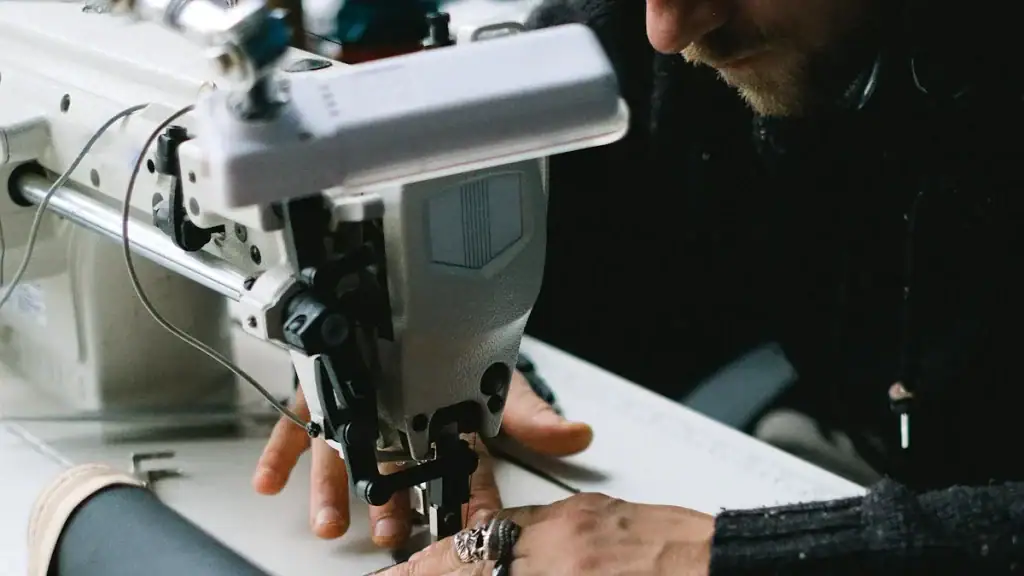
You need three garments to cover most of your crew’s working year. A performance polo handles warm days and indoor service calls. A softshell bridges cool mornings and light rain. A light work jacket covers cold starts and early-morning installs. Together, they form the backbone of your electrical contractor field crew uniform. Each piece must survive abrasion, repeated washing, and daily wear. It also needs to keep a clean, consistent look on customer sites.
Performance Polo As The Base
The polo is the workhorse of your program. Your technicians wear it for panel work, circuit tracing, and customer walkthroughs. Choose a fabric with a smooth hand-feel that resists pilling after repeated washes. A cotton-rich blend or a polyester blend with a soft finish works well indoors and in mild outdoor conditions. Look for a weight that feels substantial without trapping heat during summer service calls.
Durability matters at the collar and placket. These points take the most stress when your crew bends, reaches, and climbs. Reinforced stitching and a structured collar keep the polo looking sharp after months of use. Decoration-friendly panels on the chest and back let you add your brand mark without disrupting the fabric drape. Flat seams and a clean finish make the polo presentable enough for a facility manager meeting. It is also tough enough for a mechanical room.
Softshell For Transitional Weather
A softshell fills the gap between a polo and a heavy jacket. Your crews face cool mornings, light drizzle, and windy rooftop conditions. A softshell with a bonded fleece backer gives warmth without bulk. The outer face should resist wind and light moisture while staying breathable during active install work.
Hand-feel separates a good softshell from a stiff one. Look for a fabric that moves with the body and does not restrict reach when your technician pulls cable or works overhead. Abrasion-resistant panels at the forearms and shoulders extend garment life. Decoration zones on the chest and sleeve allow embroidery or heat transfer without compromising the membrane or the stretch. A clean, plain softshell in your brand color reads as professional on any customer site.
Light Work Jacket For Cold Starts
The light work jacket covers the coldest part of your crew’s day. Early-morning service calls, winter installs, and unheated buildings demand a layer that traps warmth without weighing your people down. A quilted or fleece-lined jacket with a durable outer shell works well for electrical service work. The fabric should resist snags from conduit edges, panel corners, and tool belts.
Mobility is critical. Your technicians reach into panels, climb ladders, and kneel at floor boxes. A jacket with articulated sleeves and a drop-tail hem keeps the back covered during overhead work. Decoration-friendly chest and back panels let you place your logo cleanly. Choose a plain garment in a consistent color to anchor your electrical contractor field crew uniform across seasons. A well-chosen light work jacket extends your program into colder months without adding a heavy parka to the stack.
Build the polo, softshell, and light work jacket first. Layer task-specific PPE and hi-vis items on top only when the site or task demands it.
Image alt text suggestions: “Plain navy performance polo on a work table with no logos or text” and “Plain charcoal softshell jacket and light work jacket side by side, no branding or reflective trim.
Compliance Context: Arc Flash And ESD
Where Uniforms Stop And PPE Starts
Your branded polo, softshell, and light work jacket give your crew its look. They do not take the place of protective gear. Think of them as the base layer of a program. Treat protection as a separate choice that follows the task and the site.
Arc flash risk comes from the electrical work itself. Live panels, switching, and fault finding carry dangers that clothing alone cannot fix. Your safety officer sets the protective needs for each task. Your supplier then confirms which garments meet those needs. Ask both sides to sign off before you place a bulk order.
Check every rating with your supplier and your safety officer. Never assume a garment offers protection just because it looks heavy or technical.
This split keeps your program honest. You buy looks and durability from your apparel supplier. You buy proven protection from a qualified source. The two choices run side by side, and neither one hides behind the other.
ESD And Static Basics For Service Work
Static electricity can harm sensitive electronics. Today’s electrical service work often puts your technicians near control boards, sensors, and communication gear. A spark you cannot feel may still damage a part. Some sites also have flammable air, where static control becomes a site rule rather than a choice.
Ask your customer about ESD controls before the crew shows up. Many facilities post their own rules for footwear, grounding, and garment choice. Your uniform program should back up those rules without pretending to replace them. If a site needs static-dissipative clothing, get it as a set item with documented properties. Keep that item apart from your standard branded stack.
Logo Application On Rated Garments
Decoration changes a garment. Embroidery adds thread and puts holes in the fabric. Heat transfer adds a layer and uses temperature and pressure. On a rated garment, any of these steps can change how the item performs.
Confirm the decoration method with your supplier before production. Ask a direct question: does this logo application keep the garment’s rating? Get the answer in writing, and keep it with your program records. Some suppliers limit decoration placement to certain panels for this reason. Others test the decorated item as a whole.
Plan your artwork around those limits. A smaller chest mark may pass where a large back print does not. Your decoration proof should show placement, size, and method together. Approve that proof before bulk production starts, and keep the approved version as the reference for every reorder.
OEM Catalog Vs. Private-Label Sourcing
You have one clear choice to make. You can buy from an established OEM workwear catalog, or you can build a private-label line under your own brand. Both paths work. The right answer depends on your crew size, your branding goals, and how much control you want over the final garment. Shanghai Top Fortune Industry Co., Ltd. supports both routes from its Songjiang factory, so this comparison shows where each one fits best.
Dimension | OEM Catalog | Private-Label Branding |
|---|---|---|
Technical performance | Proven fabric and construction specs, already tested in the field | You set the specs; performance follows your brief |
Application fit | Close fit to common electrical service tasks | Exact fit to your crew's tasks and climate |
Regulatory compliance support | Supplier documentation for standard items | Documentation built around your chosen materials |
Decoration flexibility | Standard placement zones | Full control of placement, method, and artwork |
MOQ | Lower entry point per style | Higher commitment per style |
Cost structure | Predictable unit cost, less development spend | Higher setup cost, stronger long-run unit economics |
What OEM Workwear Brands Offer
An OEM catalog gives you a proven starting point. The fabrics, patterns, and construction methods already exist. You review samples, pick your styles, and add your brand mark. Development time stays short, and you see the garment before you commit.
This path suits buyers who want speed and low risk. You can pull a custom polo shirt and a custom jacket from existing blocks and dress them with your logo. The catalog carries the technical risk. You carry the brand.
What Private-Label Branding Offers
Private-label sourcing puts you in the designer’s seat. You choose the fabric weight, the collar structure, the pocket layout, and the decoration method. Your label goes inside the collar. The garment becomes yours alone.
This path rewards buyers with a clear brand vision and enough volume to justify development. A corporate polo OEM program lets you tune hand-feel and durability to your exact service conditions. You gain differentiation. You also take on more sampling rounds and a longer timeline.
Matching Sourcing Path To Crew Size
Crew size is the simplest filter. Smaller field teams often start with the catalog. They get consistent branding fast and test the waters without heavy development spend. Larger or fast-growing organizations usually move to private label. Their volume absorbs the setup cost, and their brand needs a garment nobody else can buy.
You can also mix the two. Run the polo from the catalog and build the softshell as a private-label item. Review your options on the workwear manufacturer homepage and browse the blog for program ideas. Match each garment to the path that fits its role.
Building The Electrical Contractor Field Crew Uniform Program
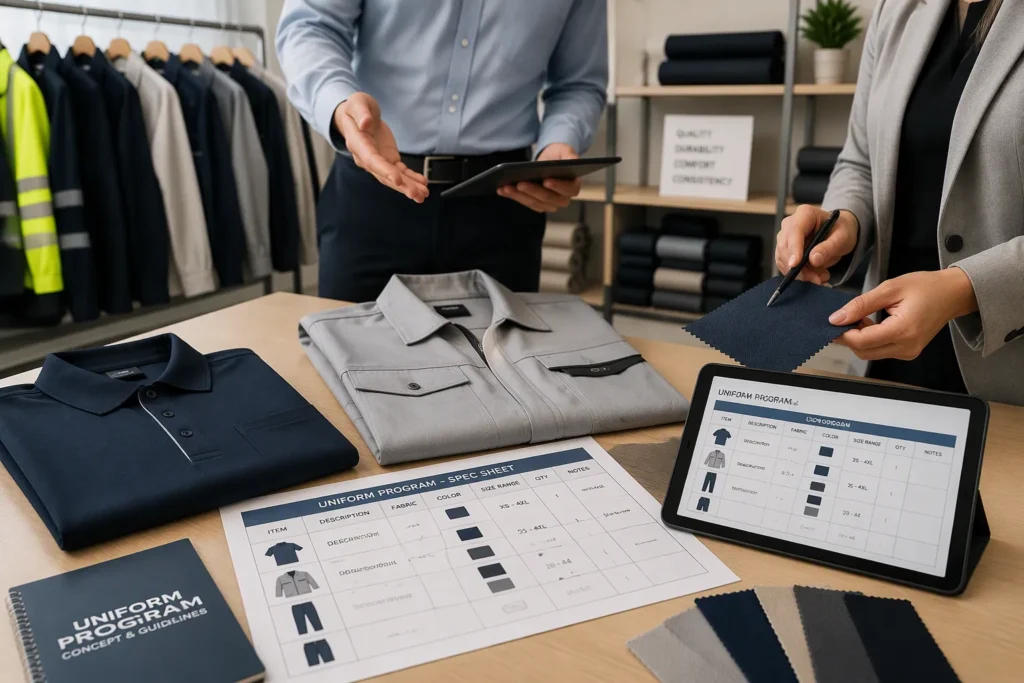
A uniform program depends on good paperwork. You need a spec sheet your supplier can build from, a sample you can hold, and a replacement schedule your crews can count on. This section covers all three.
RFQ Specs And MOQ Basics
Your request for quote gets the whole program started. Write it as a table your supplier can answer line by line. Vague briefs lead to vague samples, and vague samples cost you a season.
Spec Item | What To State In Your RFQ |
|---|---|
Style | Polo, softshell, light work jacket; quantity per style |
Fabric | Fiber blend, approximate weight, hand-feel target, colorfastness expectation |
Construction | Collar type, placket, seam reinforcement, pocket layout, sleeve articulation |
Decoration | Method (embroidery or heat transfer), placement, size, color count |
Sizes | Size set and expected size curve across the crew |
MOQ | Pieces per style, per color |
Lead time | Sample turnaround and bulk delivery window you need |
Packaging | Poly bag or flat pack, size labeling, carton marking, master carton count |
Send the RFQ to Shanghai Top Fortune Industry Co., Ltd. at rill@topfortunemail.com or WhatsApp +86 13524210501. The Songjiang factory (founded ~2002, 1,506 m²) makes OEM and ODM workwear for buyers across Europe, the Middle East, Oceania, Southeast Asia, and the Americas. Ask your supplier to confirm each line in writing. A confirmed spec sheet becomes the guide for every reorder.
Sample To PPS To Bulk Gates
Think of production as three gates. Nothing moves forward until you approve the gate before it.
Sample gate. Your supplier builds a sample to your spec sheet. Check fabric hand-feel, stitch quality, fit on a real body, and decoration placement. Mark every fix on the sample itself.
PPS gate. The pre-production sample arrives in your final fabric, final color, and final decoration. This is your last low-cost chance to catch errors. Compare it against the approved spec sheet, not against memory. Sign and date the PPS, and keep a photo record.
Bulk gate. Production starts only after PPS sign-off. Ask for a mid-run photo or video check on the first units off the line. Compare bulk against the sealed PPS before you release final payment.
Each gate has one owner on your side. One approver stops conflicting feedback and keeps the timeline honest.
Seasonal Planning And Replacement Cadence
Plan your electrical contractor field crew uniform around two buying windows. Place the main order before your busy season, and keep a smaller buffer order for growth and damage. New hires, size changes, and worn garments create steady demand between windows.
Set a replacement rule your supervisors can apply without debate. Retire a garment when the collar breaks down, the color fades visibly against a new unit, or the decoration peels. Keep one spare per crew van in the common sizes.
Track wear by garment type. Polos usually cycle fastest because crews wear them most. Softshells and light work jackets last longer and need fewer replacements. Review your size curve each season and adjust the next order. A steady cadence beats an emergency rush every time.
Image alt text: “Plain navy polo, charcoal softshell, and light work jacket folded on a table with no logos or text” and “Plain work jackets stacked in a warehouse with blank chest panels and no branding.
Cost, ROI, And Procurement Checklist
Cost Per Wear And Program ROI
Unit price alone does not tell you much. Cost per wear tells you the real story. Divide the garment price by the number of working days it lasts. A polo that lasts two seasons of daily wear costs far less per day than a cheaper shirt that fades in three months. Do this math for each garment in your electrical contractor field crew uniform before you compare quotes.
Program ROI works the same way. Steady branding builds recognition on customer sites. Fewer replacement orders save admin time. Standard sizing cuts down on misfits and returns. Track three numbers each season: garments retired early, reorder volume, and decoration failure rate. Fewer early retirements and steady reorders mean a healthy program.
Copy-Paste Procurement Checklist
Use this list for every style you buy. Copy it into your RFQ email and check each line before you approve bulk production.
Spec sheet signed by your program owner and the supplier.
Fabric swatch approved in your brand color.
Size set confirmed against your crew’s actual size curve.
Decoration proof approved for placement, size, and method.
Sample reviewed on a real body and marked with fixes.
PPS approved, signed, dated, and photographed.
Bulk delivery window confirmed in writing.
Packaging and carton marking agreed.
Reorder terms stated, including price validity period.
Replacement cadence rule written for supervisors.
Spare stock level set per crew van.
Single approver named for each gate.
Common Sourcing Pitfalls
Most program problems start before production. A vague spec sheet leaves the supplier guessing. A skipped PPS turns a small error into a full bulk run. Approving decoration from a screen image hides color shifts and placement drift. Each of these gaps costs time and money later.
Watch the reorder side too. Buyers often lock a first order and forget to confirm reorder terms. Fabric lots can shift between runs, so ask how the supplier keeps color consistent. Keep your approved PPS as the reference for every repeat order. Review the blog for more program guidance, and send your checklist to rill@topfortunemail.com or WhatsApp +86 13524210501 to start a quote.
Three decisions shape your electrical contractor field crew uniform. Protection context sets the spec. Sourcing path sets MOQ and branding flexibility. Program management keeps cost per wear down.
Start small. Validate one crew or one style through sample, PPS, and bulk. Then scale across your field organization.
Get the polo, softshell, and light work jacket stack right first. Layer PPE and hi-vis per task and site afterward.
Request a sample kit and RFQ from Shanghai Top Fortune Industry Co., Ltd. (founded ~2002; 1,506 m² Songjiang factory). Email rill@topfortunemail.com or WhatsApp +86 13524210501. Reference your crew size and style targets.
FAQ
What is the minimum order for a custom electrical crew uniform?
Plan for about 2,000 pieces per style. That amount covers fabric runs, decoration setup, and steady color across the order. Smaller trial runs usually cost more per unit. Check the exact number with your supplier before you set a budget.
How do I get a quote for my field crew program?
Send a spec sheet with style, fabric, decoration, sizes, and quantities to rill@topfortunemail.com or WhatsApp +86 13524210501. Shanghai Top Fortune Industry Co., Ltd. (founded ~2002; 1,506 m² Songjiang factory) replies with pricing and lead time. Clear specs get faster, more accurate quotes.
Why does this guide start with polos instead of hi-vis gear?
Your crew’s daily look comes from the polo, softshell, and light work jacket stack. Those garments carry your brand on most service calls. Hi-vis and protective items follow the task and the site. Treat them as add-ons, not the base of your program.
How is this different from an HVAC service crew program?
HVAC crews face different conditions, so their garment specs lean toward temperature extremes and rooftop work. Electrical service work puts more weight on abrasion resistance and clean decoration panels. Each program fits its own job. Compare both before you choose.
Can I run a private-label line instead of a catalog style?
Yes. Private label gives you control over fabric, fit, and decoration. It also asks for more sampling rounds and a larger commitment per style. Catalog styles move faster and carry lower development risk. Many buyers mix both paths across the stack.
Do I need arc-rated garments for my whole crew?
No. Protection needs follow the task and the site, and your safety officer sets those rules. Your branded apparel covers look and durability. Rated garments come from a qualified source with documented performance. Verify every rating before you buy.
How often should I replace worn uniform pieces?
Set a simple rule your supervisors can apply. Retire a garment when the collar breaks down, the color fades against a new unit, or the decoration peels. Keep one spare per crew van in common sizes. Review the size curve each season.
What decoration method works best on a softshell or light work jacket?
Embroidery suits chest marks on most softshells and jackets. Heat transfer works well on smooth panels. Placement matters more than method on technical fabrics. Approve a decoration proof with size, placement, and method together before bulk production starts.