

Utility Work Vest OEM China | Tool & Safety Vest Manufacturer
Table of Contents
Display
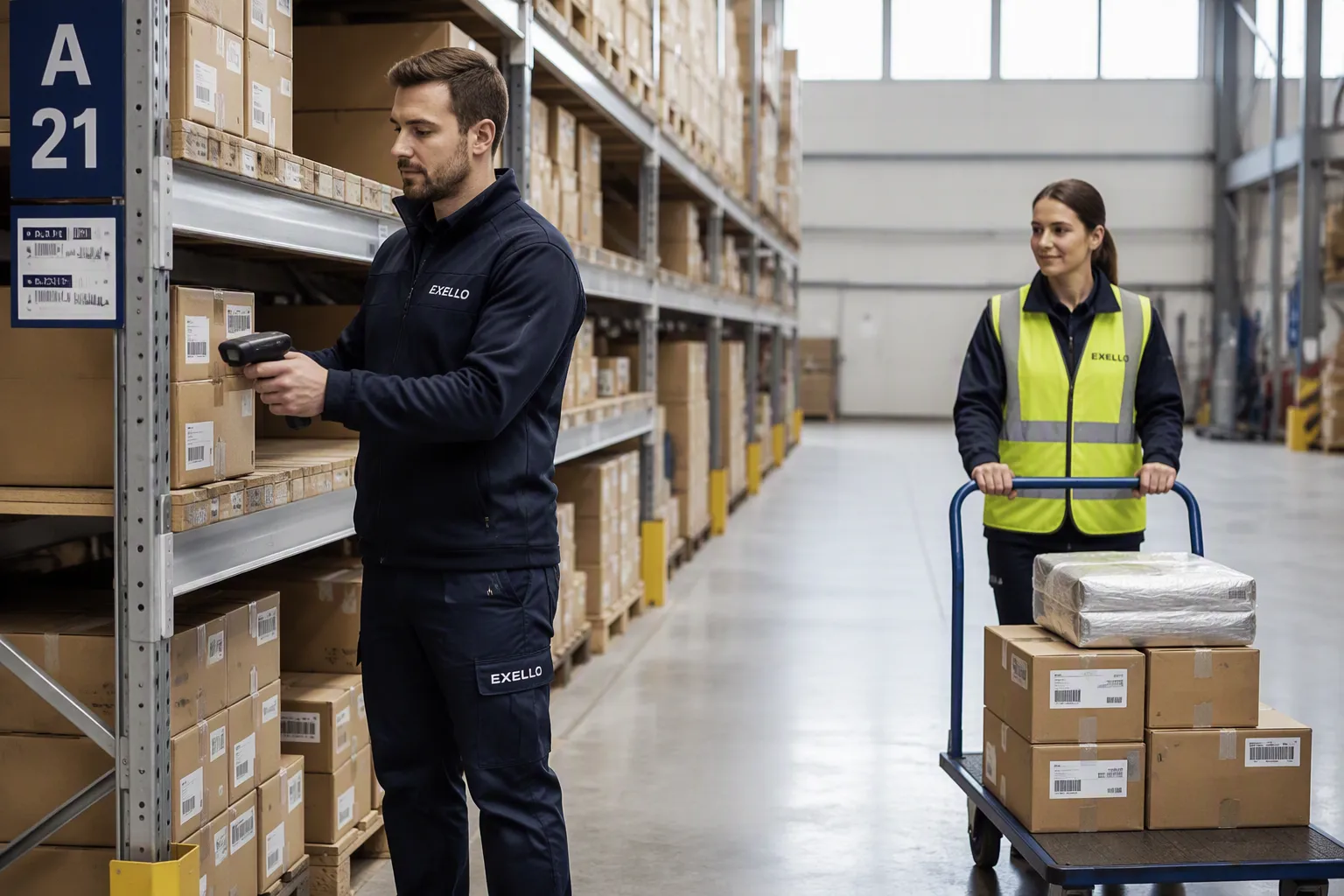
Shanghai Top Fortune Industry Co., Ltd. (workwearmanufacturer.com) is a Shanghai-based OEM/ODM manufacturer of workwear and corporate uniforms. Founded around 2002, the company operates a 1,506 m² factory in Songjiang and supplies custom apparel programs to buyers across Europe, the Middle East, Oceania, Southeast Asia, and the Americas. Learn more on our About Us page.
If you procure for industrial plants, construction sites, maintenance crews, warehouses, logistics hubs, facilities teams, or field-service fleets, this guide explains how to brief an OEM partner for adult utility, tool, and safety work vests — not kids’ apparel or school uniforms. Typical MOQ is about 1,000 pieces per style. Contact: rill@topfortunemail.com | WhatsApp +86 13524210501.
Key Takeaways
- Shanghai Top Fortune Industry Co., Ltd. manufactures utility, tool, and safety work vests for adult B2B teams — OEM/ODM only.
- Typical MOQ is about 1,000 pieces per style; request pricing via email or WhatsApp with vest type, pocket map, size run, and branding files.
- Decide pocket layout, reinforcement, and visibility (reflective tape vs full hi-vis) by task load — not a generic catalog vest for every role.
- Buyers should define any required hi-vis or PPE standard for the destination market; the supplier confirms suitability against that brief — we do not invent certification claims.
- Approve a prototype and pre-production sample (PPS) for fit, pockets, and reflective placement before bulk.
Table of Contents
- Product Scope for Utility, Tool, and Safety Vests
- Pockets, Construction, Visibility, Fabrics, and Branding
- What to Specify in a Utility Vest RFQ
- Our OEM Process
- Catalog Utility Vest vs Custom OEM
- Utility Vest Procurement Checklist
- FAQ
- Request a Utility Work Vest OEM Quote
Product Scope for Utility, Tool, and Safety Vests
Utility vest programs succeed when pocket access, closure type, and visibility match the job — not when every SKU is forced into the same fluorescent shell. Scope adult field and industrial vests by task load and climate.
Multi-pocket tool vests
Tool vests carry hand tools, fasteners, meters, and phones across maintenance and construction shifts. Spec pocket count, depth, and reinforcement at stress points; add tool loops, D-rings, or radio tabs where crews already use them. Keep weight distribution balanced so shoulders stay comfortable over long wear.
Work waistcoats and lightweight site vests
Work waistcoats and lighter site vests suit supervisors, inspectors, and indoor facilities teams who need ID and small-item storage without a full tool load. Breathable mesh panels help in warm plants or summer yards. Pair with base layers and outer shells as climate demands.
Supervisor and visitor versions
Supervisor cuts often use cleaner silhouettes and clearer branding so leads are recognizable on site. Visitor or contractor versions may use simpler pocket maps and removable ID windows. Keep pantone rules aligned with neighboring fleet apparel such as logistics courier uniforms when hubs and yards share one visual system.
Hi-vis and reflective options
Reflective tape, contrast panels, or full fluorescent shells support yard, night, or roadside visibility when the destination market requires it. Tell us the market and any standard you need; we confirm construction against your brief. For dedicated fluorescent programs, see our hi-vis reflective workwear OEM. Many sites also pair vests with industrial coveralls or softshell jackets for layered weather protection.

Pockets, Construction, Visibility, Fabrics, and Branding
Pocket layout and reinforcement
- Map pockets to tools: phone, radio, tape, pliers, fasteners, ID
- Reinforce pocket bags and openings with bar-tacks at corners
- Add tool loops, pen slots, and radio tabs only where crews will use them
- Test loaded weight on a wear trial before freezing the pattern
- Keep large logos off high-flex pocket mouths and reflective tape zones
Closures, seams, and breathability
Zipper or snap fronts should match glove use and laundry expectations. Flat or covered seams reduce rub under harnesses and backpacks. Mesh back or side panels improve airflow in warm climates; denser woven fronts protect against abrasion. State climate and layering (tee, softshell, coverall) in the RFQ.
Fabric families for utility vests
- Polyester woven / oxford — durable shells with good color retention after wash.
- TC poly-cotton — balanced comfort for all-day indoor/outdoor wear.
- Canvas / heavier woven — abrasion resistance for tool-heavy roles.
- Breathable mesh panels — ventilation on back or sides for hot sites.
Request handfeel swatches and target gsm; do not invent weight or performance percentages in marketing copy. Confirm laundry temperature early so dyes, tape, and trims survive your wash profile.
Visibility and destination-market requirements
Reflective tape width, placement, and background color must match the buyer’s stated market requirement. If you need a certified hi-vis garment for a specific standard, name that standard and market in the RFQ so suitability can be confirmed. Top Fortune does not invent certification or test claims in this article — buyers own the compliance brief.
Branding methods
| Method | Best for | Notes for RFQ |
|---|---|---|
| Embroidery | Chest logos, long-life fleets | Stitch count; avoid tape zones |
| Heat transfer / print | Multi-color marks on lighter fabrics | Wash temperature limits |
| Woven labels / ID windows | Contractor and visitor versions | Removable options help |
| Reflective branding accents | Night / yard recognition | Do not block required tape runs |
What to Specify in a Utility Vest RFQ
Clear RFQ specs cut sample rounds and pocket redesigns. Use this table when you email rill@topfortunemail.com or WhatsApp +86 13524210501.
| Spec area | What to clarify | Why it matters |
|---|---|---|
| Vest type / use case | Tool vest, work waistcoat, site vest, supervisor, visitor, hi-vis | Pattern, pocket density, formality |
| Quantity by style / color | Pieces per SKU; spare ratio | MOQ planning (~1,000/style typical) |
| Size range & ratio | Unisex or gendered; site or country curve | Fit over layers; returns |
| Fabric / composition & weight | Polyester, TC, canvas, mesh; target gsm | Abrasion, breathability, laundry |
| Pocket map & reinforcement | Count, locations, loops, bar-tacks | Tool access and durability |
| Closure / trim | Zipper, snaps, binding, ID window | Glove use and wash survival |
| Reflective / hi-vis | Tape yes/no; placement; market standard if required | Visibility without invented claims |
| Logo method & placement | Embroidery, heat transfer, print; artwork | Brand life and tape clearance |
| Label / packaging | Care label language, hangtag, polybag, carton | Multi-site rollout |
| Destination market / standard | Countries; any PPE/hi-vis standard named by buyer | Construction confirmation |
| Required date | Ship window; Incoterm preference | PPS lock and capacity |
| Sample / PPS | Proto yes/no; PPS approval owner | Locks pockets and visibility before bulk |
Practical tip: Start with one core tool vest and one lighter supervisor/site vest, then add hi-vis SKUs only where the market brief requires them. Align colors with existing coveralls, softshells, or logistics layers so sites share one brand system.

Our OEM Process
- Inquiry & tech pack / reference sample — Vest type, headcount, colors, pocket sketch, markets, logo art, delivery window, laundry profile, and any destination standard you require.
- Fabric, pocket, trim & color review — Approve handfeel, gsm, zipper/snaps, reflective tape, and lab dips.
- Prototype / size set — Confirm pattern, pocket map, loops, closure, and branding placement; wear-test with typical tool load if possible.
- PPS (pre-production sample) — Lock construction, fit, branding, and visibility layout before bulk. Buyer signs off.
- Bulk production & QC — Cutting, sewing, decoration, quality checks, packing to your assortment plan.
- Shipment — Export packing for multi-site or multi-market distribution.
Factory footprint: 1,506 m² in Songjiang, Shanghai. Address: Floor 3, Building 20, Haier Zhigu, No. 66 Guangfulin East Road, Songjiang District, Shanghai 201600.
We manufacture to your approved sample and purchase order. Top Fortune focuses on adult B2B industrial, logistics, and corporate workwear OEM — not kids’ apparel or school uniforms.
Catalog Utility Vest vs Custom OEM
| Factor | Catalog / off-the-shelf | Custom utility vest OEM |
|---|---|---|
| Pocket layout | Fixed generic map | Mapped to tools and tasks |
| Fit / size run | Retail curve | Site survey; graded over layers |
| Fabric / color | Stock shades only | Locked pantone + lab dips |
| Visibility details | One-size catalog tape | Tape/panels mapped to buyer brief |
| Logo / labels | Aftermarket add-ons | Built into tech pack and PPS |
| Repeat orders | High drift risk | Retained samples and BOM |
| Packaging | Retail polybag | Assortment, hangtag, carton marking |
| MOQ / control | Sometimes lower per SKU | Typical ~1,000 pieces per style; full program control |
| Best for | Urgent one-off site opens | Multi-year industrial and field fleets |
Choose OEM when you need matching reorders, task-fit pockets, and controlled branding across sites. Catalog vests can fill gaps, but they rarely hold pocket maps and shade across annual replenishment.
Utility Vest Procurement Checklist
- [ ] Team / task mapping (maintenance, construction, warehouse, logistics, facilities, field service)
- [ ] Tool load list and pocket wear-test plan
- [ ] Climate and layering (tee, softshell, coverall under/over vest)
- [ ] Size survey by site or country
- [ ] Color and visibility requirement (standard navy/black vs fluorescent)
- [ ] Destination market and any hi-vis/PPE standard named by buyer
- [ ] Reflective trim width and placement map
- [ ] Fabric type and target gsm; mesh yes/no
- [ ] Closure type (zipper / snaps) and trim details
- [ ] Branding artwork and placement limits (clear of tape)
- [ ] Sample / PPS sign-off owner and date
- [ ] Wash / use conditions
- [ ] Inspection criteria, packing, and shipping documents
- [ ] Target ship date and Incoterm preference
- [ ] MOQ confirmation (~1,000 pieces per style typical)
- [ ] Whether vests must match existing hi-vis, coveralls, softshells, or logistics layers
- [ ] Explicit note: adult B2B workwear — not kids’ apparel or school uniforms
FAQ
What is the minimum order quantity, and how do I request a quote?
You need about 1,000 pieces per style for a utility work vest OEM program. Email rill@topfortunemail.com or message WhatsApp +86 13524210501 with vest type, pocket map, fabric preference, size run, branding files, destination market, and target ship window. Our team replies with pricing and lead times.
Which fabrics are suitable for utility and tool vests?
Common choices include polyester woven, TC poly-cotton, canvas / heavier woven, and breathable mesh panels. Polyester and canvas favor abrasion and color retention; TC favors all-day comfort; mesh helps in heat. Confirm gsm and handfeel on samples — we do not invent performance percentages.
How many pockets should we specify, and what reinforcement is needed?
Pocket count follows the tool list, not a fixed catalog number. Map phone, radio, fasteners, and hand tools; reinforce openings with bar-tacks and durable pocket bags. Wear-test a loaded proto so weight and access work before PPS lock.
Can you add hi-vis or reflective options, and what about standards?
Yes — reflective tape, contrast panels, or fluorescent shells can be built into the program. Name the destination market and any standard you require in the RFQ so we can confirm construction against your brief. We do not invent certification claims; buyers own the compliance requirement. See also our hi-vis reflective workwear OEM.
What logo and branding methods can you apply?
Common methods include embroidery, heat transfer or print, woven labels, ID windows, and reflective accents. Keep large logos clear of required tape runs and high-flex pocket mouths. Share vector artwork and placement boxes early.
Are samples, PPS, and size grading available?
Yes. Typical path: tech pack or reference sample → proto/size set with pocket and fit review → approve a pre-production sample (PPS) for fit, branding, and visibility before bulk. Provide a size survey so grading works over base layers and softshells.
Do you make kids’ apparel or school uniforms?
No. We focus on adult B2B industrial, logistics, and corporate workwear — not kids’ apparel or school uniforms. This article covers utility, tool, and safety work vest OEM programs for professional teams only.
Do you export utility vest programs outside China?
Yes. Shanghai Top Fortune exports OEM/ODM workwear and corporate uniform programs to Europe, the Middle East, Oceania, Southeast Asia, and the Americas. Share destination markets early so packing, labeling, and documentation match your distribution plan.
Request a Utility Work Vest OEM Quote
Ready to brief utility, tool, or safety work vests for your industrial or field teams?
- Email: rill@topfortunemail.com
- WhatsApp: +86 13524210501
- Website: https://www.workwearmanufacturer.com
- Address: Floor 3, Building 20, Haier Zhigu, No. 66 Guangfulin East Road, Songjiang District, Shanghai 201600
Include vest types, pocket maps, tool loads, colors, size runs, fabric preferences, laundry profile, destination market/standard (if any), and logo artwork so we can propose a practical sampling plan. Typical MOQ is about 1,000 pieces per style. Company overview: About Shanghai Top Fortune.
Related Resources
- Workwear Manufacturer China homepage
- About Us — Shanghai Top Fortune Industry Co., Ltd.
- Hi-Vis Reflective Workwear OEM China
- Industrial Coverall OEM Manufacturer China
- Custom Softshell Jacket OEM Workwear
- Logistics Courier Uniform OEM China
Related Resources
For adjacent workwear programs, compare construction-site uniforms, facility-management uniforms, and industrial-maintenance uniforms when one procurement team covers multiple sites.