

10 Vintage Flight Attendant Uniforms That Changed Airline Fashion
Table of Contents
Display
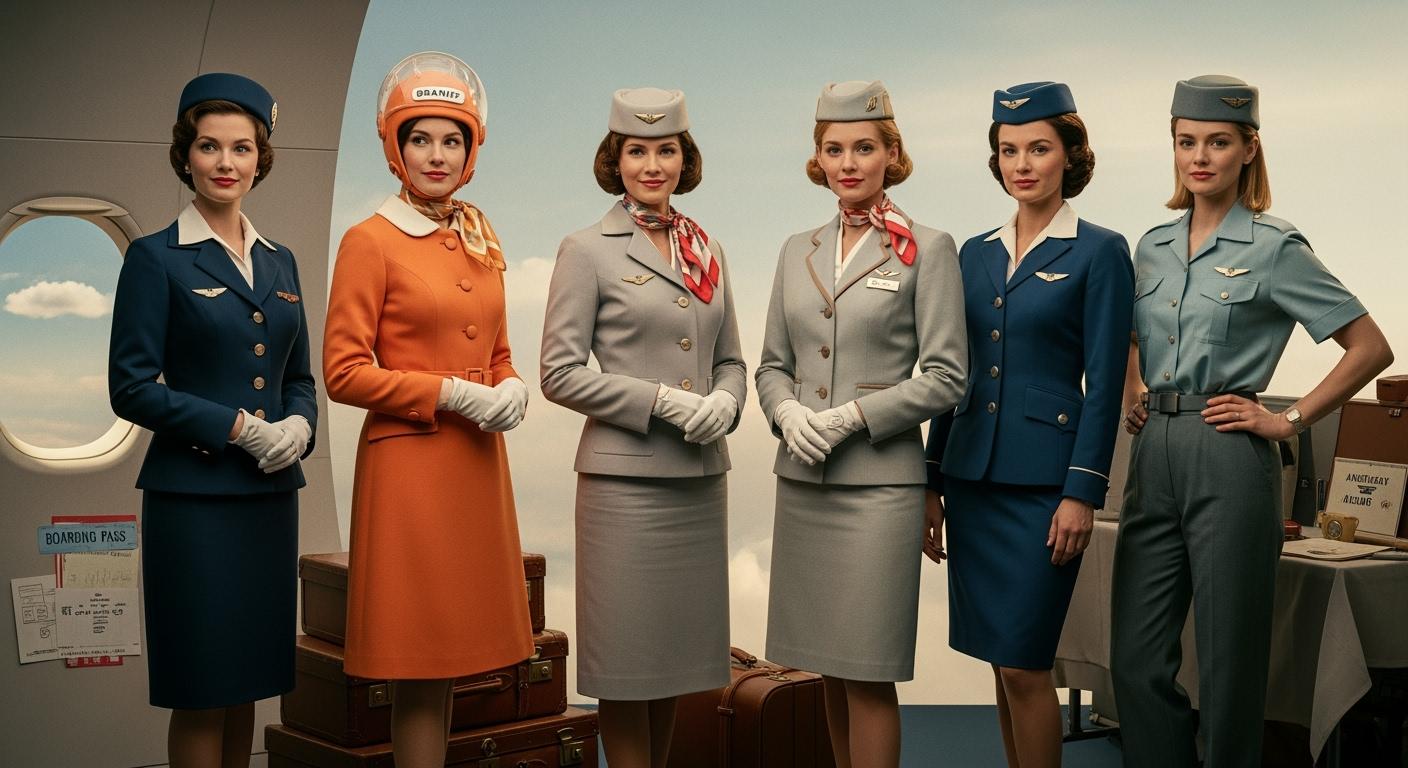
You instantly recognize airline stewardess uniforms as symbols of glamour and professionalism. These uniforms have shaped how travelers view air travel and have influenced fashion worldwide.
Fashion historians note that uniforms from different eras set trends in global style.
| Era | Style Influence |
|---|---|
| 1930s-1940s | Military-inspired, subdued styles |
| 1960s-1970s | Bold colors, patterns, go-go boots, pillbox hats |
| 2000s | Glamorous, fashion-forward designs with couture collaborations |
You see the evolution of style, culture, and aviation reflected in these iconic looks.
Key Takeaways
- Vintage flight attendant uniforms symbolize glamour and professionalism, shaping perceptions of air travel.
- Airlines use unique uniforms to establish brand identity, making them memorable to passengers.
- Famous designers have transformed airline uniforms, blending fashion with functionality to enhance crew appearance.
- Uniform design impacts passenger experience, influencing comfort and satisfaction during flights.
- Fashion trends in airline uniforms reflect societal changes, showcasing evolving roles and attitudes towards women.
- Modern airlines draw inspiration from vintage styles, merging tradition with contemporary design for new uniforms.
- Cultural elements in uniforms, like the Sarong Kebaya, highlight heritage and enhance brand storytelling.
- Vintage uniforms continue to inspire pop culture, appearing in fashion shows, movies, and themed events.
Airline Stewardess Uniforms and Branding
Uniforms as Brand Identity
You notice airline stewardess uniforms as soon as you step onto a plane. Airlines use these uniforms to set themselves apart from competitors. You see unique colors, patterns, and designs that reflect each airline’s brand.
- Airlines focus on customized uniforms that show off their corporate identity.
- You might spot a bold ‘parrot green’ or a signature blue, making the airline memorable.
- Airlines balance budgets with the need for quality and consistency, ensuring uniforms look professional and function well.
Designers play a major role in shaping airline stewardess uniforms. You see famous names like Emilio Pucci and Pierre Balmain creating looks that blend fashion with branding. Virgin Atlantic’s collaboration with Vivienne Westwood and British Airways’ partnership with Ozwald Boateng show how designer input keeps uniforms fresh and stylish.
Passenger Experience and Style
You feel the impact of airline stewardess uniforms during your flight. Uniforms influence how you view the crew and the airline. Early uniforms had a militaristic style, which made the profession seem strict and formal. In the 1960s and 1970s, airlines switched to more fashionable designs. Flight attendants became symbols of modernity and style, which improved passenger perceptions.
Uniforms also affect comfort and satisfaction. Research shows that design choices matter for both crew and passengers.
| Key Findings | Description |
|---|---|
| Kansei Ergonomics | Airlines use kansei ergonomics to match uniform design with crew preferences. |
| Impact on Comfort | Uniforms influence crew comfort, which can affect how you feel as a passenger. |
| User-Centered Design | Airlines develop uniforms with a user-centered approach, focusing on needs. |
Today, you see uniforms made from modern materials that offer comfort and flexibility. Airlines design uniforms to look professional and approachable, making your travel experience more pleasant.
Fashion Trends in the Skies
You witness fashion trends reflected in airline stewardess uniforms. The 1960s brought rising hemlines and glamorous looks. American Airlines introduced a tri-color uniform with a feminine silhouette in 1967. The 1970s saw pants added to female uniforms, influenced by the women’s liberation movement. Southwest Airlines used go-go boots and mini skirts, capturing the spirit of the era.
| Year | Fashion Trend | Description |
|---|---|---|
| 1960s | Hemlines Rising | Uniforms featured higher hemlines for a glamorous look. |
| 1967 | Tri-colour Uniform | American Airlines launched a feminine, colorful uniform. |
| 1970s | Pants for Attendants | Airlines introduced pants, reflecting changing social norms. |
You see designers responding to social movements and youth culture by creating bold, expressive uniforms. Airlines moved away from conservative styles, choosing options that highlight comfort and individuality. The evolution of airline stewardess uniforms continues to mirror changes in fashion and society.
10 Iconic Vintage Flight Attendant Uniforms
Pan Am 1960s Classic Blue
Designer: Don Loper
Features: Tailored suit, pillbox hat, signature blue
Influence: Set the standard for elegance and professionalism
You step onto a Pan Am flight in the 1960s and immediately notice the polished look of the crew. The tailored suit and pillbox hat create a sense of sophistication. The signature blue color stands out, making you feel part of a world-class experience. Pan Am’s uniforms go beyond function. You see high fashion and refinement in every detail. The airline collaborates with designers like Don Loper to ensure the uniforms remain contemporary and chic. Stylish A-line dresses and the iconic blue shade help Pan Am set a new standard for elegance and professionalism in the airline industry. You recognize these uniforms as a turning point, influencing how airlines approach style and branding for decades.
Pan Am’s classic blue uniform became a symbol of trust and luxury, shaping the image of vintage flight attendant uniforms worldwide.
Braniff International 1965 Pucci Collection
Designer: Emilio Pucci
Features: Vibrant prints, space helmet, mix-and-match
Influence: Revolutionized vintage airline uniforms with bold, artistic flair
You board a Braniff International flight in 1965 and find yourself surrounded by color and creativity. Emilio Pucci designs uniforms with vibrant prints and playful patterns. You see flight attendants wearing mix-and-match pieces, including the famous “space helmet” bubble hat. The bold designs break away from tradition. You feel the excitement of the Jet Age, where fashion and travel blend together. Braniff’s uniforms challenge the idea that airline attire must be conservative. You witness a revolution in airline fashion, as these uniforms inspire other airlines to embrace artistic flair and individuality. Braniff’s Pucci Collection remains one of the most iconic cabin crew uniforms, remembered for its fearless approach to style.
| Feature | Description |
|---|---|
| Vibrant Prints | Eye-catching colors and patterns |
| Space Helmet | Futuristic bubble hat for dramatic effect |
| Mix-and-Match | Attendants choose from multiple stylish pieces |
TWA 1970s Oleg Cassini
Designer: Oleg Cassini
Features: Mod lines, bold colors, scarf accents
Influence: Brought high fashion to airline stewardess uniforms
You travel with TWA in the 1970s and notice the influence of high fashion. Oleg Cassini, famous for designing for Jacqueline Kennedy, brings contemporary style to the airline. The uniforms feature mod lines and bold colors, making each flight attendant look like a fashion model. You see scarf accents and tailored silhouettes that reflect the latest trends. TWA’s uniforms enhance the airline’s image as a premium brand. You observe matching red lipstick and nail color, which align the crew’s appearance with the world of high fashion. These details make TWA’s uniforms stand out among vintage flight attendant uniforms and set a new benchmark for iconic cabin crew uniforms.
- Oleg Cassini creates tailored uniforms that reflect modern fashion trends.
- You notice elegant silhouettes and attention to detail, which elevate TWA’s reputation.
- Matching red lipstick and nail color reinforce the airline’s commitment to style.
Designer: Heinz Oestergaard
Influence: Embodied European elegance in flight attendants uniform
You step onto a Lufthansa flight in the 1970s and immediately notice the refined style of the crew. The uniforms, designed by Heinz Oestergaard, feature tailored navy suits that project confidence and professionalism. You see flight attendants wearing sophisticated hats that add a touch of formality and grace. The deep navy color creates a sense of calm and reliability, which helps you feel at ease during your journey.
Lufthansa’s approach to uniform design focuses on European elegance. The clean lines and precise tailoring reflect German attention to detail. You recognize how these uniforms set Lufthansa apart from other airlines. The airline’s commitment to quality and style becomes clear through every element of the uniform. You experience a blend of tradition and modernity, which makes Lufthansa’s crew stand out in the world of vintage airline uniforms.
Lufthansa’s navy uniform became a symbol of trust and sophistication, influencing how airlines across Europe approached crew attire.
PSA 1970s Playful Minis
Designer: Holly Harp
Features: Mini skirts, bright colors, go-go boots
Influence: Captured the fun, casual spirit of iconic cabin crew uniforms
You board a Pacific Southwest Airlines (PSA) flight in the 1970s and feel the energy of the era. PSA’s uniforms, designed by Holly Harp, break away from traditional styles. You see flight attendants wearing mini skirts in bold, cheerful colors. Go-go boots complete the look, adding a playful and youthful vibe. The uniforms reflect the optimism and excitement of air travel during this time.
PSA wanted you to feel relaxed and entertained. The airline’s uniforms encourage a friendly and approachable atmosphere. You notice how the bright colors and short hemlines make the crew seem more relatable. PSA’s playful approach to uniform design helps the airline build a unique identity. You remember these uniforms as some of the most fun and memorable in aviation history.
- Mini skirts and go-go boots became symbols of the 1970s travel experience.
- PSA’s uniforms showed that air travel could be both stylish and enjoyable.
British Caledonian 1970s Plaid Chic
Designer: Douglas Millings
Features: Plaid patterns, tailored jackets, chic hats
Influence: Made vintage flight attendant uniforms stylish and memorable
You fly with British Caledonian in the 1970s and immediately notice the striking plaid patterns on the uniforms. Douglas Millings, the designer, uses tailored jackets and chic hats to create a polished look. The plaid design stands out, drawing inspiration from Scottish heritage. This cultural element gives the airline a distinct identity and sets it apart from competitors.
The use of tartan in the uniform not only highlights tradition but also adds a fashionable twist. You see how the combination of classic tailoring and bold patterns makes the crew look both professional and stylish. British Caledonian’s uniform becomes a lasting symbol in aviation history. You remember it for its unique blend of culture and fashion, which leaves a strong impression on passengers and industry observers alike.
The Plaid Chic uniform remains one of the most memorable examples of how airlines use cultural heritage to create iconic looks.
Singapore Airlines 1968 Sarong Kebaya
Designer: Pierre Balmain
Features: Batik print, fitted silhouette, cultural pride
Influence: Blended tradition and modernity in iconic cabin crew uniforms
You notice the Singapore Airlines flight attendants uniform stands out for its elegance and cultural significance. Pierre Balmain designed the Sarong Kebaya in 1968, merging traditional Asian batik patterns with a modern, fitted silhouette. This uniform represents Malayan hospitality and showcases Singapore’s rich heritage. You see how the batik print brings vibrant colors and intricate designs to the cabin, making every flight attendant look graceful and professional.
The Sarong Kebaya does more than just look beautiful. You recognize how it reflects the airline’s commitment to blending tradition with the demands of modern aviation. The fitted silhouette allows for comfort and movement, which is essential for flight attendants as they serve passengers. This uniform has become a symbol of Singapore Airlines, helping the brand stand out globally.
- Incorporates traditional Asian batik patterns.
- Represents Malayan culture and hospitality.
- Reflects the elegance expected in modern airline service.
You understand why the Sarong Kebaya remains one of the most iconic flight attendant uniforms in the world. It sets a high standard for how airlines can use fashion to express both cultural pride and professionalism.
Designer: Sighsten Herrgård
Influence: Set trends for functional, stylish vintage airline uniforms
You step onto a SAS Scandinavian Airlines flight in the 1970s and immediately notice the minimalist style of the flight attendants uniform. Sighsten Herrgård designed these uniforms with simple lines and a focus on functionality. You see clean shapes and neutral colors that reflect Scandinavian design principles. The uniforms avoid unnecessary decoration, which makes them practical for daily use.
SAS wanted you to feel comfortable and relaxed during your journey. The flight attendant uniforms use lightweight fabrics and easy-to-wear pieces. You observe how the design allows crew members to move freely and perform their duties efficiently. Scandinavian minimalism influenced many airlines to rethink their approach to uniforms, focusing on comfort and practicality without sacrificing style.
| Feature | Description |
|---|---|
| Simple Lines | Clean shapes, no extra decoration |
| Functional Design | Easy movement, lightweight fabrics |
| Minimalist Colors | Neutral tones, Scandinavian influence |
You see how SAS set a trend for functional yet stylish flight attendants uniform, inspiring airlines worldwide to adopt similar principles.
Turkish Airlines Heritage Elegance
Designer: Ettore Bilotta
Features: Traditional motifs, elegant tailoring, cultural elements
Influence: Reflected Turkish heritage in flight attendants uniform
You board a Turkish Airlines flight and immediately notice the flight attendants uniform blends tradition with modern fashion. Ettore Bilotta designed these uniforms to showcase Turkish culture through elegant tailoring and unique motifs. You see patterns inspired by Turkish calligraphy, ceramics, and glassware. The uniforms use rich colors and detailed embroidery, which highlight the airline’s commitment to cultural heritage.
Turkish Airlines wants you to experience hospitality and sophistication. The flight attendant uniforms reflect Istanbul’s history as a cultural crossroads. You observe how the design merges classic elements with contemporary style, making each crew member look both refined and welcoming.
- Integrates traditional patterns from Turkish calligraphy, ceramics, and glassware.
- Merges contemporary fashion with Turkish motifs.
- Reflects a culture of hospitality and elegance.
You recognize how Turkish Airlines uses its flight attendants uniform to build a strong brand identity. The uniforms help the airline stand out and celebrate its heritage, making every flight a memorable experience.
Mohawk Airlines 1960s Retro Modern
Designer: [Mohawk In-House]
Features: Modern-retro mix, bold colors, unique hats
Influence: Showcased creativity in vintage flight attendant uniforms
You step onto a Mohawk Airlines flight in the 1960s and immediately notice the bold approach to uniform design. The airline’s in-house team creates a look that blends modern style with retro flair. You see flight attendants wearing uniforms that feature bright colors and eye-catching patterns. The design stands out from the more conservative styles of the era.
Mohawk Airlines chooses a palette that includes vivid oranges, deep blues, and crisp whites. You observe how these colors create a lively atmosphere in the cabin. The uniforms use geometric shapes and sharp lines, which give a sense of movement and energy. You spot unique hats with angular brims and playful details. These accessories add personality and make each crew member memorable.
Mohawk Airlines uses creativity to break away from tradition. You see how the uniforms reflect the optimism and innovation of the 1960s.
Key Features of Mohawk Airlines’ Retro Modern Uniforms:
- Bold Colors: You notice vibrant shades that catch your eye.
- Geometric Patterns: The uniforms use shapes that suggest modern art.
- Distinctive Hats: Crew members wear hats with unusual designs.
- Tailored Silhouettes: The fit looks sharp and professional.
| Feature | Description |
|---|---|
| Color Palette | Orange, blue, white, and other vivid hues |
| Hat Design | Angular brims, playful accents |
| Pattern Style | Geometric, modern-retro mix |
| Silhouette | Tailored, flattering fit |
You recognize Mohawk Airlines as a pioneer in airline fashion. The uniforms show that creativity and risk-taking can set an airline apart. You see how these designs inspire other airlines to experiment with color and style. Mohawk’s uniforms become a symbol of the era’s spirit, blending nostalgia with forward-thinking ideas.
You understand that Mohawk Airlines’ retro modern uniforms do more than just dress the crew. They create a brand identity that passengers remember. You see how the airline uses fashion to express its values and connect with travelers. The legacy of these uniforms lives on, reminding you that innovation in design can change the way people experience air travel.
Legacy of Vintage Airline Uniforms
Breaking Tradition
You see how vintage flight attendant uniforms broke away from the nurse-inspired and military looks of early aviation. These uniforms marked a shift during the golden age of aviation, when airlines wanted to reflect new attitudes and social changes. Designers introduced bold colors, creative patterns, and cultural elements. You notice that this transformation mirrors changes in society, especially the evolving roles of women. Airlines began to use high fashion to express their brand identity and to make air travel feel glamorous and modern. The golden age of aviation became a time when uniforms set trends and inspired admiration around the world.
You can think of these uniforms as more than just clothing—they became symbols of progress and innovation in the airline industry.
Inspiring Modern Uniforms
You observe that the influence of vintage uniforms continues today. Airlines still look to the golden age of aviation for inspiration when designing new uniforms. You see how modern airlines blend tradition with current trends, creating uniforms that are both stylish and functional. The table below shows how uniform styles have evolved and how designers draw from the past:
| Decade | Style Influence | Key Features |
|---|---|---|
| 1930s-1940s | Military-inspired, subdued styles | Practical and conservative designs |
| 1960s-1970s | Bold colors and patterns | Go-go boots, pillbox hats, rising hemlines |
| 2000s | Glamorous and fashion-forward designs | Collaborations with couture designers, modern appeal |
You see airlines like Air New Zealand using vintage elements in their latest uniforms. In 1970, they introduced A-line mini dresses with bright colors and white gloves. In 2025, they launched uniforms with traditional Samoan garments and Maori tattoo patterns, blending heritage with modern style. This approach shows you how airlines respect their history while meeting the needs of today’s crew and passengers.
Pop Culture Influence
You notice that vintage flight attendant uniforms remain popular in movies, television, and fashion collections. Designers often revisit the golden age of aviation for inspiration. For example, Pierre Balmain’s Singapore Girl uniform, André Courrèges’ vibrant designs for Union de Transports Aériens, and Yves Saint Laurent’s power-dressing look for Qantas all show how vintage styles influence contemporary fashion. These uniforms appear in retro-themed parties, runway shows, and even Halloween costumes. You see how they continue to shape the way people imagine air travel and style.
You realize that the legacy of these uniforms lives on, reminding you of a time when flying felt special and stylish.
You see how these 10 vintage flight attendant uniforms transformed airline branding and fashion with memorable looks and stylish uniforms. Fashion historians highlight the blend of style, function, and cultural identity in cabin crew attire:
- EL AL Israel Airlines and Renuar create uniforms that show professionalism, comfort, and national pride.
- Designers include input from crew to ensure comfort and practicality.
- Every detail reflects the airline’s cultural identity.
The book “Airline: Style at 30,000 Feet” shows how uniforms inspire new generations by reflecting changing trends and creativity.
| Inspiration Source | Impact on New Generations |
|---|---|
| Airline: Style at 30,000 Feet | Creativity and cultural significance |
You appreciate how the evolution of airline stewardess uniforms continues to shape aviation and fashion.
FAQ
What makes a flight attendant uniform “vintage”?
You call a uniform “vintage” when it comes from a past era, usually before the 1990s. These uniforms often show unique styles, bold colors, or cultural influences that set them apart from modern designs.
Why did airlines use famous designers for uniforms?
You see airlines hire famous designers to create a strong brand image. Designers bring style, attention, and prestige. Their work helps airlines stand out and attract passengers who value fashion and innovation.
How did uniforms affect airline branding?
Uniforms give you a first impression of the airline. The colors, patterns, and styles help you remember the brand. Airlines use uniforms to show their values, culture, and level of service.
Yes. You notice uniforms change with society. In the 1960s and 1970s, shorter skirts and bold prints showed new attitudes about women’s roles and freedom. Uniforms often mirror trends and social movements.
Are any vintage uniforms still in use today?
You can still see some airlines use classic designs. Singapore Airlines keeps the Sarong Kebaya. Other airlines update vintage looks with modern fabrics and details, blending tradition with current needs.
Where can you see vintage flight attendant uniforms now?
You find vintage uniforms in aviation museums, fashion exhibits, and online collections. Some airlines display them during anniversaries or special events. You can also spot them in movies and TV shows about air travel.