

Workwear uniforms made easy with your logo
Table of Contents
Display

Customizing workwear uniforms with your logo has never been simpler. Many online platforms now offer easy-to-use design tools, such as:
Printful
Spreadshirt
Printify
Apliiq
Gelato
Placeit
You can create a professional look for your team in just a few clicks. Businesses see real results when they add logos to uniforms. Companies report up to a 50% increase in brand recognition after making the switch. Employees feel more professional and customers find it easier to identify staff. The table below shows how branded apparel benefits businesses:
Benefit Description | Percentage of Respondents |
|---|---|
Trust in business due to branded apparel | 60% |
Gen Z responsiveness to branded clothing | 75% |
Improved customer identification of employees | 67% |
Employees feeling more professional | 47% |
Staff recognition through branded T-shirts |
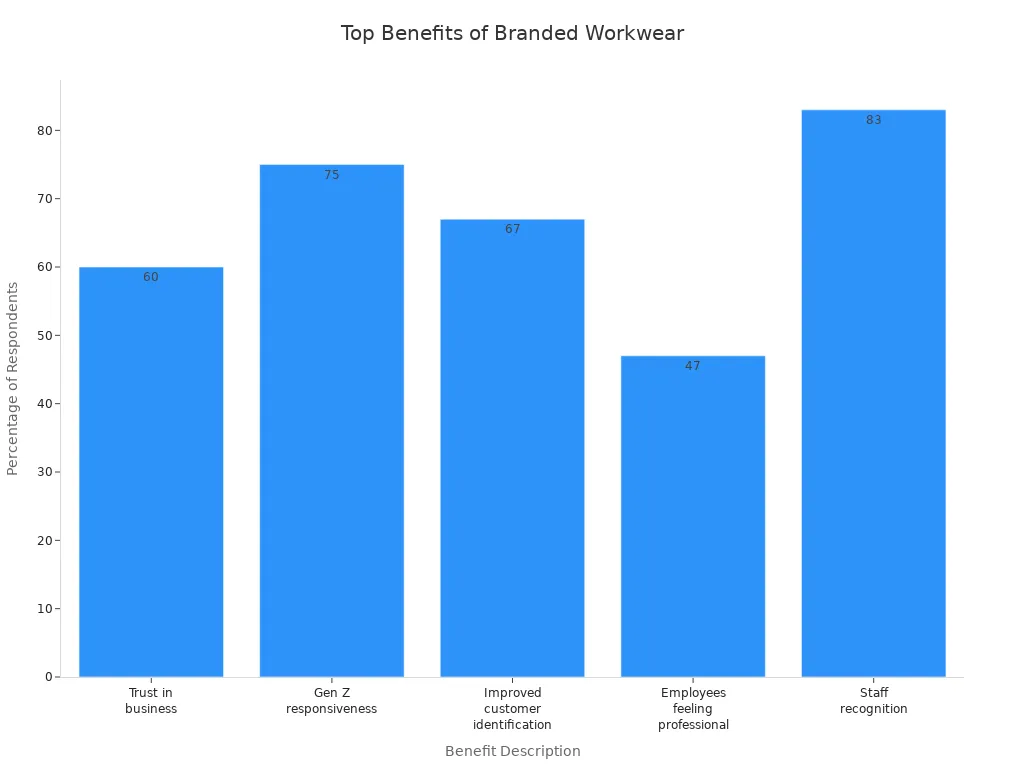
Branded uniforms boost your image, help your team unite, and build customer trust.
Key Takeaways
Customizing workwear uniforms with your logo enhances brand recognition and professionalism.
Branded uniforms can increase customer trust, with 87% of customers feeling more confident when staff wear them.
Uniforms foster team unity, making 72% of employees feel more connected to their company.
Choose styles and materials that match your team’s job roles for comfort and durability.
Logo placement is crucial; it should be at eye level for maximum visibility and impact.
Use online design tools to easily customize uniforms and preview designs before ordering.
Select reliable suppliers who offer quality products and good customer service for a smooth experience.
Regularly update your logo on uniforms to maintain a fresh and professional brand image.
Why choose workwear uniforms with your logo
Brand identity
You want your business to stand out. Workwear uniforms with your logo help you achieve this goal. When you add your company’s colors and design elements, you create a consistent image that customers remember. Your team becomes a walking advertisement for your brand every day. Marketing studies show that branded workwear uniforms offer several advantages:
Branded workwear uniforms enhance brand identity by displaying your logo, colors, and unique designs.
Customization leads to a professional and unified look for your business.
You gain increased brand recognition and stronger employee unity.
A strong brand identity sets you apart from competitors. Customers recognize your team instantly, which helps build loyalty over time.
Professionalism
Customers judge your business by how your team looks. Workwear uniforms with your logo send a clear message of competence and reliability. When your staff wears branded uniforms, you show that you care about details and quality. This impression matters, especially during first interactions.
Customer Perception | Percentage of Respondents |
|---|---|
Positive influence on business view | |
Increased trust in business | 60% |
Most customers feel more confident when they see staff in branded uniforms. Professional attire helps you earn trust and respect from your clients.
Team unity
You want your employees to feel like they belong. Workwear uniforms with your logo foster a sense of connection and pride among your team. When everyone wears the same uniform, you create visual unity and a shared identity. Human resources studies and employee feedback highlight these benefits:
72% of employees feel more connected to their company when wearing branded workwear uniforms.
Custom shirts boost morale and create a sense of belonging.
Visual unity helps everyone feel included and valued.
Personalized uniforms encourage ownership and pride in the workplace.
Involving your team in the design process strengthens their bond with your company.
A united team works better together. You build a positive work environment where everyone feels motivated to contribute.
Customer trust
You want your customers to feel confident when they interact with your business. Branded workwear uniforms play a key role in building that trust. When your team wears uniforms with your logo, customers see a professional image. This visual cue helps them feel comfortable and secure. You send a clear message that your company values quality and consistency.
Customers often judge a business by its appearance. Uniforms with your logo show that you care about your brand and your team. You create a sense of order and reliability. People notice when employees look neat and organized. They feel more at ease and more willing to engage with your staff.
Research highlights the strong link between branded uniforms and customer trust. You can see the impact in these findings:
Customers are 74% more likely to trust and feel comfortable with employees who are dressed in a professional uniform.
87% of customers are more likely to trust a company when they see employees wearing uniforms.
60% of respondents said branded apparel made them trust a business more.
You build credibility when you invest in branded workwear. Customers recognize your logo and associate it with positive experiences. They remember your business and return for future purchases. You create a lasting impression that sets you apart from competitors.
Uniforms also help customers identify your staff quickly. You reduce confusion and make it easier for people to ask for help. This simple step improves customer service and satisfaction. You show that your business runs smoothly and values every interaction.
Tip: Choose uniform styles and colors that match your brand’s personality. You reinforce your company’s image and make customers feel welcome.
You can use branded uniforms in many industries. Retail, hospitality, healthcare, and construction all benefit from a unified look. You give your team a sense of pride and responsibility. Customers respond to this professionalism with trust and loyalty.
You want every customer to leave with a positive impression. Branded workwear uniforms help you achieve that goal. You build trust, encourage repeat business, and grow your reputation in the community.
How to customize workwear uniforms
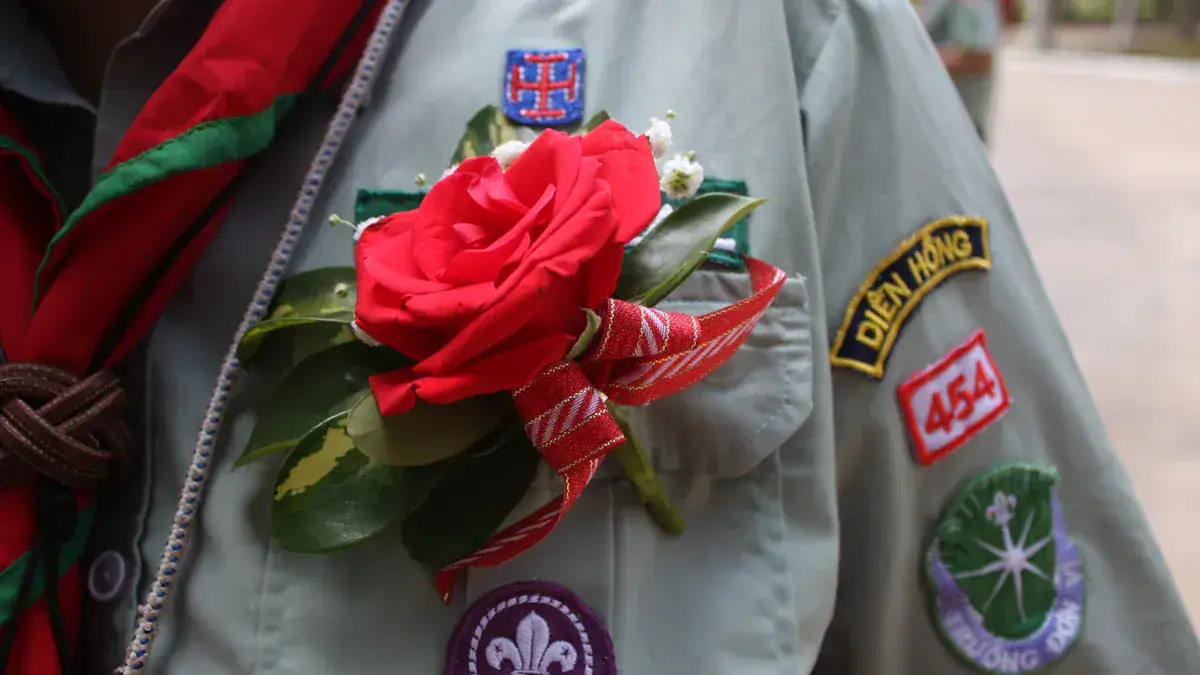
Select style and material
Job roles and environment
You need to choose styles and materials that match your team’s daily tasks. Different industries require specific types of workwear uniforms. The table below shows popular styles and materials for several industries:
Industry | Common Styles and Materials |
|---|---|
Industrial | Short and long sleeve work shirts, long pants; durable, tightly woven materials; Touchflex technology for comfort. |
Automotive | Button-up or polo shirts, jackets, coveralls; durable against oil and caustic stains; Touchtex fabric for moisture resistance. |
Career | Casual yet professional shirts like Oxford button-downs, denim shirts, and polos; options for custom labels. |
Restaurant | Chef coats, button-up shirts, smock wraps; durable fabrics resistant to stains; options for aprons and cooler coats. |
Food Processing | Coats, smocks, pants, button-up shirts; extremely durable for rigorous cleaning; butcher coats available. |
Medical | Scrubs in various styles, warm-up jackets, lab coats; high-quality materials that withstand stains and washes. |
You should also consider the work environment. If your team works outdoors, select waterproof or wind-resistant fabrics. For jobs with fire risks, fire-resistant materials are essential. High-visibility fabrics help keep workers safe in low-light conditions. If your staff kneels often, pants with built-in knee pads offer extra comfort and protection.
Tip: Evaluate your workplace for exposure to rain, wind, heat, or hazardous materials before choosing your uniforms.
Comfort and durability
Comfort and durability matter for every employee. You want breathable and sweat-wicking fabrics for hot or humid conditions. Durable materials last longer and protect your team during rugged tasks. Easy-care fabrics help uniforms stay clean and maintain their protective features. Stretchable fabrics allow flexibility for active roles.
Choose fire-resistant workwear for safety.
Pick waterproof materials for wet environments.
Select stretchable fabrics for flexibility.
Opt for easy-to-care-for materials to save time.
Decide logo placement
Common placement options
Logo placement affects how customers see your brand. You want your logo to stand out but not overwhelm the uniform. Here are popular options for logo placement:
Chest Embroidery: Left chest placement is elegant and highly visible during customer interactions.
Sleeve Embroidery: Adds a modern touch and works well for active industries.
Back Print: Bold branding that stands out from behind, ideal for high-visibility roles.
Hat Embroidery: Keeps your brand visible in outdoor and service settings.
Back Yoke: Subtle branding that remains visible from behind, perfect for team uniforms.
Lower Hem or Hip: Minimalist look, often paired with branded tags.
For different garments, you can use these placements:
T-shirts: Center front for promotions, left chest for uniforms.
Polo shirts: Left chest and right sleeve.
Hoodies: Center chest and sleeves.
Note: The right placement helps your logo get noticed and reinforces your brand identity.
Logo size tips
Logo size impacts the look and professionalism of your workwear uniforms. Oversized logos can make uniforms look cluttered and distract from your brand. Logos that are too small may go unnoticed, reducing brand recognition. The best size balances visibility and style. Center chest placement often works well for maximum impact.
Avoid oversized logos that disrupt visual balance.
Make sure logos are large enough to be seen but not overwhelming.
Test logo sizes using online design tools before finalizing your order.
Choose customization method
Embroidery
Embroidery gives your workwear uniforms a premium and durable finish. This method works best for thicker fabrics and simple logos. Embroidered logos last through frequent washing and tough conditions. You get a polished look that stands out in professional settings.
Advantages:
Premium appearance
Ideal for thicker fabrics
Disadvantages:
Higher cost
Less suitable for large or detailed designs
Limited color blending
Printing
Printing offers a cost-effective way to add colorful and complex designs to your uniforms. This method suits lightweight garments and large batches. Printed logos can include gradients and fine details. However, prints may fade or crack with frequent washing.
Advantages:
Budget-friendly for large orders
Allows vibrant, detailed designs
Works well for lightweight fabrics
Disadvantages:
May fade or peel over time
Less premium feel than embroidery
Patches
Patches provide a versatile option for branding. You can sew or iron patches onto uniforms, making them easy to replace or update. Patches work well for logos, emblems, or name tags. They add texture and dimension to your workwear uniforms.
Advantages:
Easy to apply and replace
Suitable for logos, emblems, and name tags
Adds texture and style
Disadvantages:
May not suit all uniform styles
Can detach if not applied securely
Method | Advantages | Disadvantages |
|---|---|---|
Embroidery | Durable, premium look, great for thick fabrics | Higher cost, limited detail, less color blending |
Printing | Cost-effective, vibrant designs, lightweight | May fade or peel, less premium feel |
Patches | Easy to apply, versatile, adds texture | May detach, not for all styles |
Tip: For high-wear environments, embroidery offers the most durability and a polished look. Printing works well for bold, colorful logos on lightweight garments. Patches give you flexibility for updating branding or adding names.
You can mix methods to suit different roles or departments. For example, use embroidery for management uniforms and printing for promotional shirts.
Use online design tools
Online design tools make customizing workwear uniforms simple and efficient. You can select styles, upload your logo, and preview your design before placing an order. These platforms offer a wide range of features that help you create uniforms that match your brand and meet your team’s needs.
Feature | Description |
|---|---|
Personalize uniforms with logos or designs for a unique team look. | |
Types of Apparel Available | Choose from scrubs, aprons, hi-vis clothing, jackets, and more. |
Design Support | Use easy online design tools and get quick quotes for pricing and bulk discounts. |
Uploading your logo
You can upload your logo directly to the design platform. Most tools accept common file formats like PNG, JPG, and SVG. The upload process is straightforward. You select your file, adjust the placement, and see how it looks on the uniform. Real-time updates let you change colors, fonts, or logo size instantly. This feature helps you experiment with different looks until you find the best fit for your brand.
Tip: Use a high-resolution logo file to ensure sharp and professional results on your uniforms.
Previewing your design
Previewing your design is a key step in the customization process. Online tools provide accurate visualizations and interactive 360° rotation. You can view your uniform from every angle and spot details that might need adjustment. High-quality 3D renderings show exactly how your logo and colors will appear on the final product. This process reduces costly revisions and helps you make confident decisions.
You see your design choices on the product before finalizing.
The platform offers real-time previews of styles, fabrics, colors, and sizes.
You add logos, text, and other personalized elements and instantly see the results.
Note: Previewing your design streamlines the process and minimizes back-and-forth communication with suppliers.
Work with suppliers
Choosing the right supplier is essential for a smooth customization experience. You want a partner who delivers quality uniforms, offers reliable decoration methods, and provides excellent customer service.
Comparing brands
You should compare well-known brands like Carhartt and Dickies when selecting workwear. These brands have strong reputations for durability and comfort. Reliable suppliers offer a variety of decoration capabilities, including embroidery, printing, and patches. They also provide competitive pricing and transparent cost breakdowns. Some suppliers offer free shipping and no minimum order requirements, making it easier for small businesses to get started.
Criteria | Description |
|---|---|
Quality | Durable and comfortable uniforms enhance your team’s professional image. |
Decoration Capability | Customization options reflect your brand identity. |
Turnaround Time | Timely delivery keeps your project on schedule. |
Cost-Effectiveness | Competitive prices with clear cost details. |
Customer Service | Responsive support for custom orders and special requests. |
Sustainability Practices | Eco-friendly options align with your company’s values. |
Ethical Sourcing | Products made with respect for labor rights and social responsibility. |
Tip: Ask suppliers about their sustainability practices and ethical sourcing to ensure your uniforms align with your company’s values.
Reviewing proofs
Before final production, you receive digital proofs of your customized uniforms. You should review these proofs carefully. Check logo placement, colors, and sizing to confirm everything matches your expectations. Communicate any changes or corrections to your supplier right away. This step helps prevent mistakes and ensures you get the uniforms you want.
Review digital proofs for accuracy.
Confirm logo placement and color matching.
Request adjustments if needed before final approval.
Note: Careful review of proofs saves time and money by avoiding errors in the finished product.
Tips for a smooth customization process
Prepare logo files
Getting your logo ready is the first step in creating professional workwear uniforms. You want your logo to look sharp and clear on every garment. Follow these best practices:
File formats
Choose vector formats like AI, EPS, or PDF. These formats allow your logo to scale without losing quality.
Set your logo in CMYK color mode. This ensures accurate color reproduction during printing.
Prepare different versions of your logo. Horizontal, vertical, and monochrome options give you flexibility for various placements.
Tip: Vector files help suppliers adjust your logo for embroidery, printing, or patches without distortion.
Resolution
Use a resolution of at least 300 DPI. High-resolution files prevent pixelation and keep your logo crisp.
Avoid low-quality images. Blurry or pixelated logos can make uniforms look unprofessional.
Communicate brand colors
Clear communication about your brand colors helps suppliers match your uniforms to your company’s identity. Consistency in color builds instant recognition and strengthens your brand.
Evidence | Explanation |
|---|---|
Your brand colors shape first impressions. People form opinions about a brand within seconds, and color is one of the biggest triggers. | The correct use of brand colors in uniforms can significantly influence how customers perceive the brand immediately. |
Stay consistent across every touchpoint. Use the same shades on your logo, website, signage and uniforms to build instant brand recognition. | Consistency in color across uniforms and other branding materials helps in creating a cohesive brand identity, which is essential for recognition. |
Repetition of the same color can strengthen brand awareness, too. When was the last time you saw a Coke can that wasn’t red? | Consistent use of brand colors in uniforms can lead to stronger brand associations over time. |
By using the same colors in all your business ventures, you strengthen your brand’s association with those colors and, by extension, strengthen brand awareness as a whole. | Accurate communication of brand colors in uniforms contributes to overall brand awareness and identity. |
Color matching
Provide Pantone or HEX codes for your brand colors. This helps suppliers match shades exactly.
Request physical or digital samples before final approval. You can check color accuracy and make adjustments if needed.
Set budget and timeline
Planning your budget and timeline keeps your project on track and avoids surprises. You want to manage costs and ensure timely delivery.
Cost estimates
Avoid stocking fees by choosing on-demand production. This reduces storage costs.
Buy gear in smaller batches. You can adjust orders based on staff changes or seasonal needs.
Limit logo applications. A single-color logo often costs less than multi-color designs.
Consider investing in high-quality uniforms. Durable garments save money over time by reducing replacements.
Cost Component | Rental/Lease Model | Managed Purchase Model | FY2026 Budget Impact |
|---|---|---|---|
Upfront Cost | Low weekly fees paid over the life of the contract | Initial purchase | |
Cost Volatility | High – fluctuating fees | Low – policy-driven | Stabilized long-term costs |
Inventory Management | High admin burden | Centralized software support | Reduced internal overhead |
Delivery planning
Prepare your design and pricing early. This step usually takes about two days.
Production can take up to four weeks, especially for bulk orders.
Rush orders may arrive in two to three weeks, while re-orders can take three to five weeks.
Some suppliers offer free shipping and no minimum order requirements, making it easier for small businesses to start.
Note: Communicate your timeline and budget needs with your supplier. Early planning helps you avoid delays and unexpected costs.
Mistakes to avoid with workwear uniforms
Low-quality logos
You want your brand to make a strong impression. Using low-quality logos on workwear uniforms can damage your professional image. Blurry, pixelated, or overly complex designs often fail to translate well onto fabric. You should always choose bold fonts and high-contrast colors for your logo. Simple designs look sharper and remain visible from a distance. Overcomplicating the design can lead to logos that lose detail during embroidery or printing. You should also provide your logo in a high-resolution format. This step ensures that every stitch or print looks crisp and clear.
Tip: Request a physical sample before placing a bulk order. You can check the logo quality and make adjustments if needed.
Common mistakes include skipping quality checks and not matching the garment to the environment. You should always order a sample size set for fitting and review the logo on actual fabric. This process helps you avoid costly errors and ensures your team looks professional.
Choose simple, bold designs.
Use high-resolution logo files.
Request physical samples before bulk orders.
Poor placement
Logo placement plays a key role in brand visibility. You want your logo to attract attention and reinforce your brand identity. Placing logos too low or near seams can cause them to be overlooked or distorted. Optimal placement is at eye level or slightly above. This position draws attention and makes your brand memorable. Organizations using branded outfits are 60% more likely to be remembered by potential consumers when logos are placed correctly.
You should avoid misplacing or misaligning logos. Poor placement affects professionalism and can confuse customers. Strategic placement helps your logo stand out and supports a consistent brand image.
Place logos at eye level or slightly above.
Avoid seams and low positions.
Review digital proofs for logo alignment.
Note: Always request a digital proof and check logo placement before approving your order.
Ignoring comfort
Comfort matters for every employee. Ignoring comfort in workwear uniforms can lead to distractions and reduce focus. Poorly fitting clothes may cause physical discomfort and increase work-related stress. You want your team to feel confident and comfortable throughout the workday. Comfortable uniforms enhance morale and job satisfaction. Employees who feel good in their uniforms communicate better and collaborate more effectively.
Companies that prioritize comfort show commitment to employee well-being. This approach can lower turnover rates and foster a more engaged workforce. You should match the garment to the environment and provide a range of sizes for a diverse team.
Select breathable, flexible fabrics.
Offer a variety of sizes for proper fit.
Match uniforms to job roles and environments.
Tip: Order a sample size set for fitting and ask employees for feedback on comfort.
Ignoring comfort can hurt productivity and morale. You create a positive workplace when you choose uniforms that support your team’s needs.
Overlooking maintenance
You might focus on style and branding when choosing workwear uniforms, but maintenance often gets overlooked. Uniforms face daily wear and tear, so you need to think about how easy they are to clean and care for. If you ignore maintenance requirements, your uniforms can wear out quickly and lose their professional look. Materials that require special care can add extra work for your team and increase costs over time. When you select easy-to-maintain fabrics, you help your uniforms last longer and keep your team looking sharp.
When designing custom workwear, always consider how you will care for each garment. Choosing materials that are easy to clean and maintain can make a big difference. Neglecting care instructions can lead to uniforms that fade, shrink, or lose their shape. This not only affects the appearance of your staff but also impacts your brand’s reputation. A uniform that looks worn out sends the wrong message to customers.
Uniforms that receive proper care maintain their color, fit, and branding details much longer. You protect your investment and ensure your team always looks professional.
To keep your uniforms in top condition, follow these essential maintenance steps:
Read the care labels carefully to understand the specific needs of different materials.
Turn uniforms inside out before washing to protect prints and embroidery.
Use mild detergent and cold water to prevent fading and damage.
Avoid bleach and fabric softeners that can harm printed elements.
Air dry whenever possible to protect branding elements.
Iron on low heat with a cloth barrier to avoid direct contact with designs.
Store uniforms properly on padded hangers or folded in a dry place.
You should also watch out for common mistakes that can shorten the life of your uniforms:
Using hot water on printed uniforms
Overwashing, which can lead to fading
Not rotating uniforms regularly
Ignoring rips or loose stitching
Drying uniforms under direct sunlight
If you pay attention to maintenance, you save money and keep your team looking their best. You also reduce the need for frequent replacements, which helps your business stay efficient. Make maintenance part of your uniform policy and train your staff on proper care. This small step can have a big impact on your brand’s image and your bottom line.
Workwear uniforms FAQs
Durability
You want your workwear uniforms to last through daily use. The durability depends on the fabric you choose and the customization method. High-quality materials stand up to frequent washing and tough work environments. If you work in industries like food service or construction, you need uniforms that resist stains, tears, and fading. Embroidery adds a premium touch and holds up well for simple logos. Digital printing works for detailed designs but may not last as long under heavy wear. When you select sturdy fabrics and reliable decoration methods, you reduce replacement costs and keep your team looking sharp. You should always match the uniform material to your workplace needs. This approach helps you maintain a professional image and save money over time.
Tip: Choose uniforms with reinforced seams and easy-care fabrics for maximum durability.
Cost
You may wonder how the price of custom workwear uniforms compares to standard options. Custom uniforms usually require a higher initial investment. The design process and quality materials add to the upfront cost. However, you gain long-term benefits. Durable uniforms last longer and reduce the need for frequent replacements. Employees feel more satisfied with uniforms that fit well and represent your brand. Standard uniforms cost less at first but may wear out quickly, leading to extra expenses.
Aspect | Custom Workwear | Standard Uniforms |
|---|---|---|
Initial Cost | Higher initial investment | Cheaper upfront |
Long-term Costs | Lower due to durability | Higher due to replacements |
Employee Satisfaction | Improved due to fit and quality | May lead to dissatisfaction |
Brand Representation | Stronger with custom branding | None |
Custom workwear uniforms involve a higher initial investment.
You benefit from improved employee satisfaction and stronger brand representation.
Standard uniforms may seem cheaper but often cost more in the long run.
Minimum orders
You might worry about order size when customizing uniforms. Many suppliers now offer flexible options. Some allow you to order as few as one or two pieces, which helps small businesses or teams with limited staff. Others set minimums for bulk pricing or special decoration methods. You should check with your supplier before placing an order. Free shipping and no minimum order policies make it easier to start with branded uniforms. If you plan to grow your team, ask about reordering and price breaks for larger quantities.
Note: Always confirm minimum order requirements and shipping policies before finalizing your purchase.
Turnaround time
You want your custom workwear uniforms delivered on schedule. Turnaround time depends on several factors. The supplier, order size, customization method, and design approval process all play a role. Most suppliers provide estimated delivery dates before you place your order.
You can expect these general timeframes:
Order Type | Estimated Turnaround Time |
|---|---|
Small orders (1-10 pieces) | 1–2 weeks |
Medium orders (11–50) | 2–3 weeks |
Large orders (51+) | 3–5 weeks |
Rush orders | 3–10 days (extra fees apply) |
Reorders | 1–2 weeks |
Suppliers often need extra time for embroidery or complex printing. You should review digital proofs quickly to avoid delays. If you request samples, add a few days to the timeline. Some suppliers offer rush production for urgent needs, but this usually costs more.
Tip: Ask your supplier about production schedules and shipping options. Early planning helps you meet your deadlines.
You can speed up the process by preparing your logo files and confirming design details before ordering. Clear communication with your supplier reduces back-and-forth and keeps your project moving. If you order from brands like Carhartt or Dickies, expect reliable delivery times and consistent quality.
Logo updates
You may need to update your logo on workwear uniforms as your brand evolves. Suppliers offer several options for refreshing your uniforms with a new logo or design. You can choose to replace patches, reprint logos, or order new uniforms.
Here are common ways to update logos:
Patches: You can remove old patches and sew or iron new ones onto existing uniforms. This method works well for small changes.
Printing: You may need to order new garments if the logo is printed directly onto the fabric. Some suppliers offer overprinting, but results vary.
Embroidery: You often need new uniforms for major logo changes. Minor updates, such as color tweaks, may allow for re-embroidering over the old design.
You should check with your supplier about the best approach for your uniforms. Some suppliers offer logo update services at a reduced cost for existing customers. If you plan to update your logo often, choose uniforms with removable patches or easy-to-replace branding elements.
Note: Keep your logo files organized and ready for future updates. High-resolution and vector formats make changes easier.
You can maintain a fresh and professional look by updating your uniforms regularly. Customers notice when your branding stays current. Your team feels proud to wear uniforms that reflect your latest brand identity.
You can easily create a strong brand image by customizing workwear uniforms with your logo. This simple step boosts professionalism and helps your team feel united. Online design tools make the process quick and stress-free. Trusted suppliers offer quality options for every industry. Start exploring your choices today and see how custom uniforms can transform your business.
FAQ
How durable are custom workwear uniforms?
You get strong uniforms when you choose quality fabrics like cotton blends or polyester. Embroidery lasts longer than printing. Brands such as Carhartt and Dickies offer tough options for daily use.
What is the average cost for branded uniforms?
You usually pay $20–$60 per uniform, depending on style, material, and decoration method. Embroidery costs more than printing. Bulk orders often lower the price per item.
Can you order uniforms with no minimum quantity?
Many suppliers let you order just one or two uniforms. You find this option helpful for small teams or new businesses. Always check supplier policies before placing your order.
How long does it take to receive custom uniforms?
You typically wait 2–4 weeks for delivery. Rush orders arrive faster but cost extra. You speed up the process by preparing your logo files and approving proofs quickly.
What file type should you use for your logo?
You should use vector files like AI, EPS, or PDF. These formats keep your logo sharp at any size. High-resolution PNG or SVG files also work well for printing and embroidery.
Can you update your logo on existing uniforms?
You update logos by adding new patches or ordering fresh uniforms. Some suppliers offer re-embroidery or overprinting. You should ask your supplier about the best method for your needs.
How do you care for branded uniforms?
You wash uniforms in cold water and use mild detergent. Turn garments inside out to protect logos. Air dry when possible. You avoid bleach and high heat to keep colors bright.
What customization methods are available?
You choose from embroidery, printing, or patches. Embroidery gives a premium look. Printing works for colorful designs. Patches allow easy updates. You select the method that fits your brand and budget.