

Why Breathability Matters in Waterproof Jackets for Outdoor Adventures
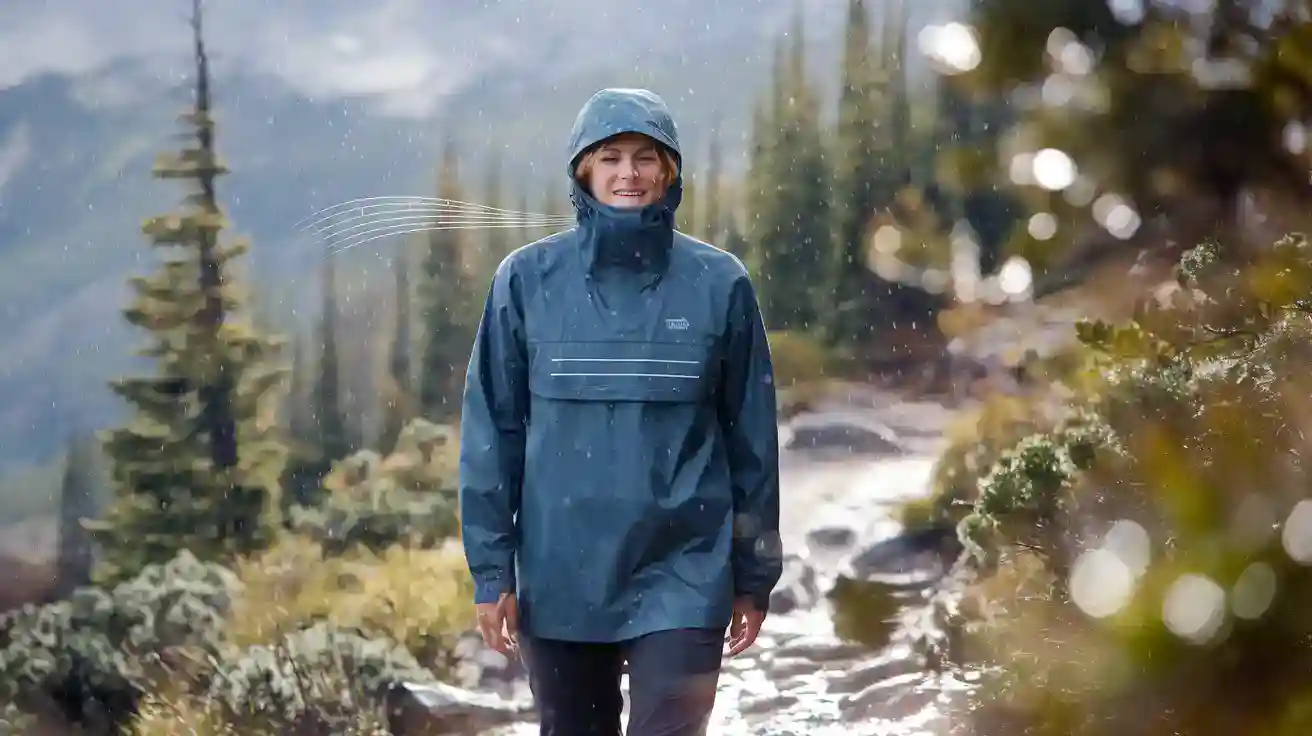
Yes, breathability in a waterproof jacket is essential for any outdoor adventure. I know from experience that hiking and mountaineering demand both comfort and safety. Modern innovations in fabrics, like Gore-Tex and eVent, help keep rain and snow out while allowing sweat and heat to escape. You can count on a breathable jacket with features such as pit zips and core vents to prevent overheating and moisture buildup.
Advanced lightweight and breathable fabrics maintain comfort on long hikes.
Effective ventilation reduces the risk of overheating during strenuous climbs.
I always recommend making breathability a top priority when choosing gear for the outdoors.
Key Takeaways
Breathability in waterproof jackets prevents sweat buildup, keeping you dry and comfortable during outdoor activities.
Look for jackets with high waterproof and breathability ratings to ensure effective moisture management.
Features like pit zips and core vents enhance ventilation, reducing the risk of overheating during strenuous activities.
Choose the right jacket type based on your activity level: 3-layer jackets for mountaineering and 2.5-layer for day hikes.
Layering is essential; start with a moisture-wicking base layer and add insulation as needed for changing conditions.
Regularly clean and restore the DWR coating on your jacket to maintain its performance and breathability.
Avoid overdressing to prevent excessive sweating; adjust your layers based on the weather and activity intensity.
Always match your jacket’s features to your specific outdoor activities for optimal comfort and safety.
Breathability Explained
What Is Breathability
Definition
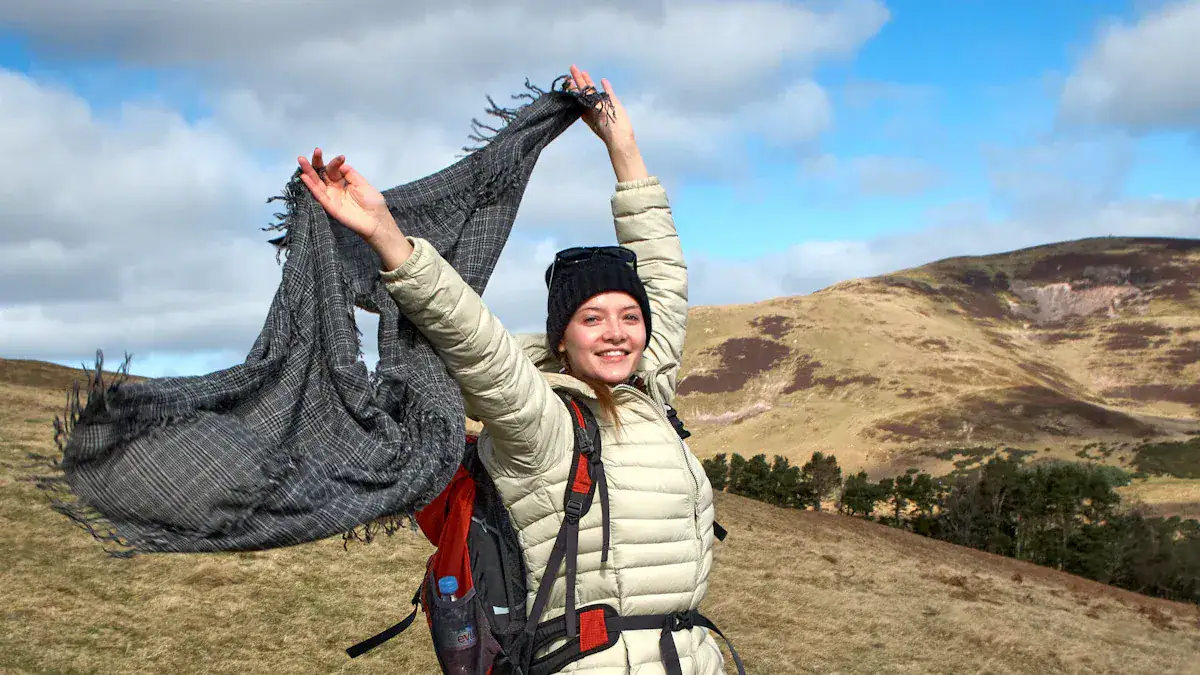
When I talk about breathability in outdoor gear, I refer to a fabric’s ability to let moisture vapor escape. This quality matters most in waterproof breathable jackets. The science behind breathability involves two main processes. First, microporous coatings physically allow vapor to pass through tiny holes while blocking liquid water. Second, hydrophilic materials chemically attract and move moisture through the fabric’s structure. Both methods help keep me dry from the inside, even when I sweat during intense activity.
How It Works
I have found that a waterproof breathable jacket works by balancing protection from rain with the need to release heat and sweat. The outer fabric acts as the first shield against rain. Manufacturers treat this layer to repel water. Beneath this, a membrane—such as those found in GORE-TEX or similar technologies—serves as the real barrier. This membrane contains microscopic pores. These pores are small enough to stop water droplets but large enough to let moisture vapor escape. Inside, a lining adds comfort and protects the membrane from abrasion.
Tip: Always check for a quality membrane when choosing a waterproof breathable jacket. The right membrane makes a huge difference in comfort during long hikes or climbs.
Waterproof Jacket Membranes
Types of Membranes
I often see three main types of membranes in waterproof breathable jackets:
Expanded polytetrafluoroethylene (ePTFE)
Polyurethane (PU)
Polyester membranes
Each type offers unique benefits. ePTFE membranes, like those in GORE-TEX, provide excellent breathability and durability. Polyurethane membranes tend to be more affordable and flexible. Polyester membranes offer a lightweight option for packable jackets.
Impact on Performance
The construction of a waterproof breathable jacket affects both comfort and performance. Here’s a quick comparison:
Type of Jacket | Description |
|---|---|
2-Layer | Outer shell bonded to a waterproof membrane with a separate inner lining for comfort and protection. |
2.5-Layer | Features a thin polyurethane coating over the membrane, making it lighter and more packable. |
Consists of an outer shell, waterproof membrane, and inner lining, designed for durability in harsh conditions. |
I choose a 3-layer jacket for mountaineering because it offers the best protection and breathability in extreme environments. For day hikes, a 2.5-layer jacket keeps my pack light without sacrificing too much comfort. The effectiveness of waterproof membranes determines how well a jacket balances weather protection with the ability to release sweat and heat.
Note: Not all waterproof breathable jackets perform the same. Always match the jacket type to your activity and environment for the best results.
Why Breathability Matters
Sweat and Moisture
Accumulation Issues
When I spend hours hiking or climbing in the rain, I notice how quickly sweat can build up inside a waterproof jacket. If the fabric lacks proper waterproof breathable properties, sweat vapor cannot escape. Moisture then condenses on the inside, soaking my base layers. This creates a wet environment that feels clammy and uncomfortable.
I have learned that waterproof fabrics can trap moisture, leading to condensation inside the garment. Limited water vapor transfer can cause overheating of my body. The combination of waterproofing and breathability is essential for user comfort.
Poor waterproof breathable performance means:
Sweat accumulates inside the jacket.
Insulation loses effectiveness.
The wearer feels damp and chilled, even when protected from external rain.
Comfort and Health
Comfort drops fast when my jacket traps sweat. I feel sticky and cold, especially during long hikes in wet weather. The accumulation of moisture from perspiration in waterproof jackets can lead to discomfort and overheating. When waterproof fabrics lack breathability, sweat vapors condense inside the garment, creating a wet environment that reduces the insulative ability of the clothing. This results in a highly uncomfortable experience for the wearer, especially during prolonged use.
Staying dry from the inside is just as important as staying dry from the rain. If I ignore breathability, I risk chafing, skin irritation, and even hypothermia in cold conditions. A super breathable jacket keeps me comfortable and healthy, no matter how hard I push myself on the trail.
Overheating Risks
Performance Impact
During high-energy activities like hiking and climbing, my body generates a lot of heat. If my waterproof breathable jacket cannot release this heat, I start to overheat. Poor breathability leads to moisture buildup from sweat. Accumulated moisture causes discomfort and overheating. Overheating can result in fatigue and reduced mobility, which increases the risk of accidents.
I always notice that when my jacket traps heat, my energy drops quickly. My muscles tire faster, and I lose focus on the trail.
Key impacts of overheating in a waterproof jacket:
Fatigue sets in sooner.
Mobility decreases.
The risk of slips or falls increases, especially on technical terrain.
Safety Concerns
Wearing non-breathable waterproof jackets during high-intensity activities can significantly impair the body’s ability to regulate temperature. These jackets trap heat and moisture, preventing effective sweating and evaporation, which are crucial for cooling the body. This can lead to increased body temperature and heat stress, especially as physical exertion raises metabolic heat production. The additional weight of the protective clothing can also elevate the physical effort required for tasks, further exacerbating the risk of heat-related issues.
I always prioritize a waterproof breathable jacket for safety. When I stay dry and cool, I can react quickly to changing weather or trail conditions. In humid environments, moisture may not escape effectively from poorly breathable fabrics. This makes it even more important to choose the right gear for hiking or climbing in the rain.
Tip: Always match your jacket’s breathability to your activity level and the environment. Your comfort and safety depend on it.
Waterproof Jacket Needs: Hiking vs Mountaineering
Activity Intensity
Hiking
When I prepare for hiking, I focus on moderate activity levels. Hiking usually involves steady movement over several hours, often with changes in pace and elevation. I sweat less than during climbing, but I still need my waterproof breathable jacket to manage moisture. For hiking, I recommend a jacket with at least a 10,000mm waterproof rating and good breathability. This balance keeps me dry from rain while allowing sweat vapor to escape. I find that a super breathable jacket prevents that clammy feeling during long walks in wet weather. I always check for pit zips or mesh-lined pockets to boost ventilation when the trail gets steep.
Mountaineering
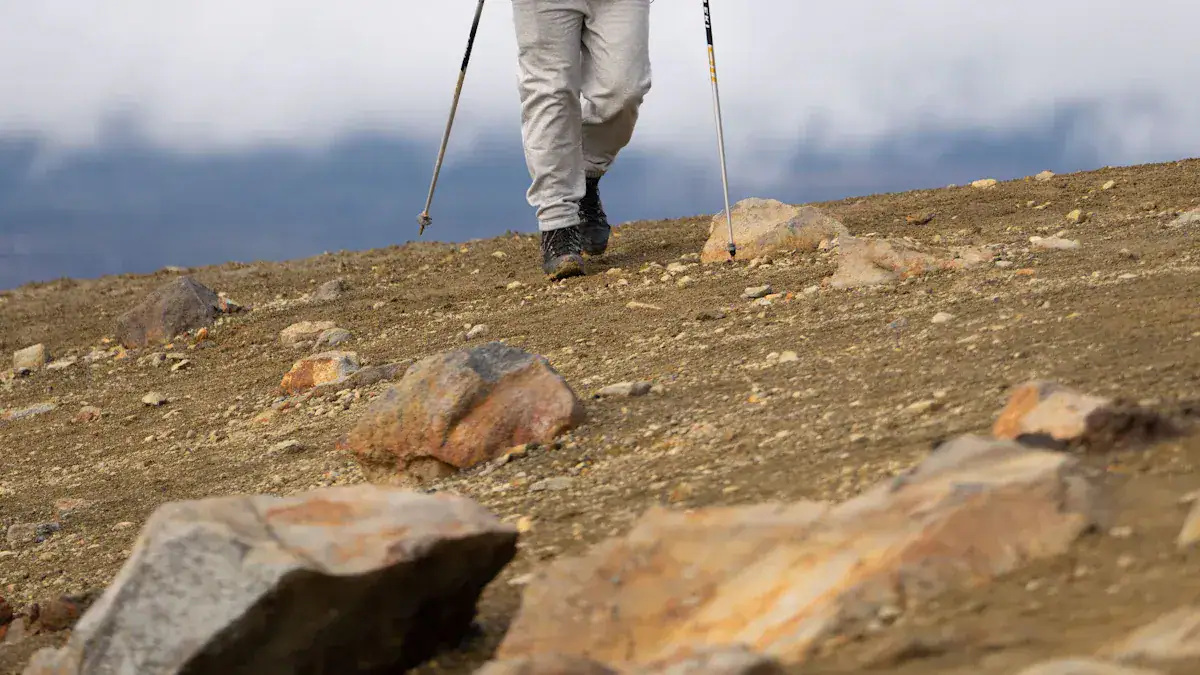
Mountaineering pushes my body much harder than hiking. I face intense activity, rapid elevation gain, and technical movements. My body generates more heat and sweat, especially when I climb in harsh conditions. I need a waterproof breathable jacket with a 15,000–20,000mm or higher waterproof rating and maximum breathability. The jacket must handle heavy rain, snow, and wind, all while letting moisture escape quickly. I rely on advanced membranes and robust construction to keep up with the demands of mountaineering. When I climb, I cannot afford to overheat or get soaked from the inside.
Environment Factors
Weather
Weather changes fast in the mountains. I have hiked in light drizzle and climbed through driving rain and snow. My waterproof breathable jacket must protect me from all forms of precipitation. I look for features like adjustable hoods and storm flaps to block wind-driven rain. In mild weather, I open vents to release heat. In cold, wet conditions, I need my jacket to keep me dry without trapping sweat. A fully waterproof jacket is essential for protection against rain, but it must also be breathable to prevent condensation and maintain insulation.
Terrain
Terrain shapes my needs for waterproof breathable gear. On gentle hiking trails, I move at a steady pace and face fewer obstacles. My jacket needs to balance rain protection with breathability, but I can often adjust layers as needed. In rugged, technical terrain, I scramble over rocks and climb steep slopes. My body works harder, and I sweat more. I need a jacket that moves with me and vents moisture fast. I always choose a design with articulated sleeves and a trim fit to avoid snagging on rocks or branches.
Environmental factors that affect breathability needs:
Rapid weather changes require quick adjustments to ventilation.
Steep or technical terrain increases sweat production.
Exposure to wind and rain demands reliable waterproofing and breathability.
Layering systems help manage temperature and moisture.
Layering and Systems
Base and Mid Layers
I never rely on a waterproof breathable jacket alone. I use a layered clothing system for every hiking or climbing trip. My base layer wicks sweat away from my skin. My mid-layer traps heat and adds breathability. This system keeps me comfortable in changing conditions. I choose lightweight, moisture-wicking fabrics for my base layer and a breathable fleece or synthetic for my mid-layer. This combination works with my jacket to manage sweat and rain.
Jacket Adaptations
I look for specific adaptations in my waterproof breathable jacket to match my activity. For hiking, I prefer lightweight, packable designs with adjustable cuffs and hem. For mountaineering, I need reinforced shoulders, helmet-compatible hoods, and extra ventilation options. I always check for features that improve mobility and comfort. My jacket must work as part of my overall gear system, not just as a standalone piece.
Tip: Always build your clothing system around a waterproof breathable jacket that matches your activity intensity and environment. The right combination of layers and features keeps you dry, comfortable, and safe in any weather.
Choosing a Waterproof Breathable Jacket
Selecting the right waterproof breathable jacket for outdoor adventures requires careful consideration of several features. I always start by evaluating the balance between waterproof and breathability ratings, then look at jacket construction, and finally, I focus on key features that enhance comfort and performance during hiking or climbing.
Balancing Features
Waterproof Ratings
When I choose a waterproof jacket, I pay close attention to the waterproof rating. This number, usually measured in millimeters, tells me how well the fabric can resist rain. A higher rating means better protection against heavy rain, which is essential for long hikes or mountaineering trips. However, I never focus on waterproofing alone.
Breathability Ratings
Breathability ratings show how effectively a jacket allows moisture vapor to escape. I have learned that a jacket with a high waterproof rating but low breathability can trap sweat, making me uncomfortable. To avoid this, I look for jackets that balance both ratings. For example:
Waterproof ratings indicate how well a jacket keeps out rain.
Breathability ratings measure how quickly sweat vapor escapes.
A balance between these two is crucial. A jacket that is highly waterproof but not breathable can lead to discomfort from trapped sweat.
I recommend choosing jackets with matching waterproof and breathability ratings, such as 10,000mm waterproof and 10,000g breathability, for optimal comfort during hiking or climbing.
Jacket Types
2-Layer, 2.5-Layer, 3-Layer
Understanding jacket construction helps me match my gear to the demands of the environment. Here’s how I compare the main types:
3-layer jackets offer the best waterproof breathable performance. They use high-quality membranes and liners, making them ideal for harsh rain and high-exertion activities like mountaineering.
2.5-layer jackets are lighter and more packable. They provide decent waterproofing and breathability but can feel clammy without a liner.
2-layer jackets are budget-friendly but less effective in both waterproofing and breathability. I use them only for short, low-intensity hikes.
Pros and Cons
Each jacket type has strengths and weaknesses. I choose a 3-layer jacket for super breathable protection during intense climbing or long hikes in heavy rain. For shorter hikes in mild rain, a 2.5-layer jacket keeps my pack light. I avoid 2-layer jackets for demanding trips because they trap heat and moisture.
Key Features
Vents and Zips
During high-exertion activities, I rely on features like pit zips and torso zips to vent excess heat. These vents are crucial for maintaining comfort in a waterproof breathable jacket, especially when hiking uphill or climbing steep terrain. I find that 3-layer jackets often include the best ventilation options, which helps me stay dry from the inside even in heavy rain.
Fit and Mobility
A well-fitting jacket makes a huge difference in comfort and breathability. I always check that my jacket allows freedom of movement for hiking and climbing. If a jacket feels too tight, it restricts my motion and causes discomfort. Too much space leads to heat loss, which can be dangerous in cold, wet conditions. I also consider softshell jackets for sweaty conditions, as they provide warmth and weather protection without feeling restrictive.
Feature | Description |
|---|---|
Fit | Ensures comfort and functionality; a poorly fitting jacket can compromise performance. |
Hoods | Essential for weather protection; different designs cater to various needs (e.g., helmet compatibility). |
Pit Zips | Provide ventilation to reduce heat and sweat build-up; personal preference affects their necessity. |
Breathability | Indicates how well moisture escapes; higher ratings mean better comfort during activity. |
Construction Quality | Neat seams and bonding indicate durability and craftsmanship, crucial for long-term use. |
Tip: Always match your waterproof breathable jacket’s features to your activity and environment. Membrane effectiveness is crucial for both waterproofing and breathability. The right gear keeps you comfortable, dry, and ready for any rain or trail challenge.
Tips for Breathable Jacket Performance
Layering
Base Layers
I always start with a moisture-wicking base layer when preparing for outdoor adventures. Materials like Merino wool or synthetic polyester keep me dry and comfortable by pulling sweat away from my skin. The choice of base layer directly affects how well my breathable jacket manages moisture. I avoid cotton because it traps water and makes me feel cold. Merino wool works especially well in wet conditions, helping me stay warm even when the rain picks up. Synthetic fabrics also dry quickly, which is essential for long hikes in unpredictable weather.
Merino wool transports moisture away from my body, enhancing comfort.
Synthetic base layers offer high breathability and quick drying.
I never underestimate the impact of a good base layer on the overall performance of my breathable jacket.
Adjusting for Conditions
I adjust my layering system based on the weather and activity level. For mild days with light rain, I use a thin base layer and a lightweight mid-layer. When the forecast calls for heavy rain or colder temperatures, I add an insulating mid-layer like fleece or down. This strategy keeps me warm without sacrificing breathability. I always top off my system with a protective outer layer—a breathable jacket that shields me from wind and rain while letting sweat escape.
Start with a moisture-wicking base layer.
Add an insulating mid-layer for warmth.
Finish with a waterproof, breathable jacket for protection against rain and wind.
Care and Maintenance
Cleaning
Proper cleaning keeps my breathable jacket performing at its best. I clean any residual detergent from my washing machine before washing my jacket. I close all zippers and use warm water with a gentle outdoor gear detergent. A second rinse cycle helps remove any leftover soap. Dirt and oil buildup can clog the fabric’s pores, reducing breathability and comfort. I avoid regular detergents because they can damage the jacket’s durable water repellent (DWR) coating, which is crucial for keeping rain out.
Restoring DWR
Over time, the DWR coating wears off, and my jacket starts to “wet out”—water soaks into the fabric instead of beading up. When this happens, I reproof my jacket using a treatment like Nikwax TX.Direct® Wash-In. I always follow the manufacturer’s drying instructions to restore the jacket’s water repellency. Restoring the DWR ensures my breathable jacket continues to protect me from rain while allowing moisture vapor to escape.
Common Mistakes
Overdressing
I learned early on that overdressing under a breathable jacket leads to excessive sweating and discomfort. As I begin hiking or climbing, my body generates heat naturally. Wearing too many layers traps heat and moisture, making me feel hot and sweaty even in the rain. I check the weather before heading out and dress appropriately to avoid dehydration and overheating.
Overdressing increases sweat and discomfort.
Understanding my clothing’s properties helps me avoid common layering mistakes.
Ignoring Ventilation
Ignoring ventilation features can reduce the effectiveness of my breathable jacket. I always use pit zips, mesh-lined pockets, or core vents to release excess heat during high-exertion activities. Failing to open vents or adjust layers can trap moisture inside, making me feel clammy and uncomfortable. I pay attention to my jacket’s design and use every feature to stay dry from both sweat and rain.
Tip: Regular care, smart layering, and proper use of ventilation features keep my breathable jacket performing at its best, no matter how hard the rain falls or how tough the trail gets.
Breathability stands as my top priority when I select a waterproof jacket for outdoor adventures. I have learned that a well-designed jacket balances waterproofing and breathability, which keeps me dry and comfortable.
Breathable fabrics prevent sweat buildup and overheating.
Jackets with high Moisture Vapour Transmission Ratings (MVTR) offer better comfort on the trail.
In both mountains and deserts, breathability helps me manage temperature changes.
Benefit | Description |
|---|---|
Lets sweat escape, keeping me dry inside. | |
Comfort | Feels lighter and more suitable for intense activities. |
Versatility | Works well in many weather conditions, making it a smart choice. |
I always recommend prioritizing breathability in your gear selection to stay safe, comfortable, and ready for any adventure.
FAQ
How do I know if my jacket is breathable?
I check the product label for breathability ratings, usually listed as MVTR (Moisture Vapor Transmission Rate) or RET (Resistance to Evaporative Heat Transfer). I also look for features like pit zips or mesh-lined pockets that help with ventilation.
Can I improve the breathability of my current jacket?
Yes, I keep my jacket clean and regularly restore the DWR coating. I always use vents and avoid overdressing. These steps help maintain airflow and moisture transfer.
What is the difference between waterproof and water-resistant jackets?
Waterproof jackets block rain completely and have sealed seams. Water-resistant jackets only repel light rain. I always choose waterproof jackets for heavy rain or long trips.
Do I need a different jacket for summer and winter adventures?
I use lighter, highly breathable jackets for summer. In winter, I select jackets with better insulation and ventilation. Layering helps me adapt to changing temperatures.
How often should I wash my waterproof breathable jacket?
I wash my jacket after several uses or when it looks dirty. I use a gentle detergent designed for technical fabrics. Regular cleaning keeps the membrane working well.
Why does my jacket feel clammy inside even when it is breathable?
If I overdress or ignore ventilation, sweat can build up inside. Humid weather also reduces breathability. I always adjust my layers and open vents to stay comfortable.
What features should I prioritize for mountaineering jackets?
I look for high waterproof and breathability ratings, helmet-compatible hoods, reinforced shoulders, and multiple vents. These features help me stay dry and comfortable in extreme conditions.
Can I repair a damaged waterproof membrane?
Small tears or holes can be patched with repair tape. For major damage, I contact the manufacturer or a professional repair service. I always check my jacket before each trip.