

How to Get a Perfect Fit by Having a Tailor Resize Your Polo Shirt
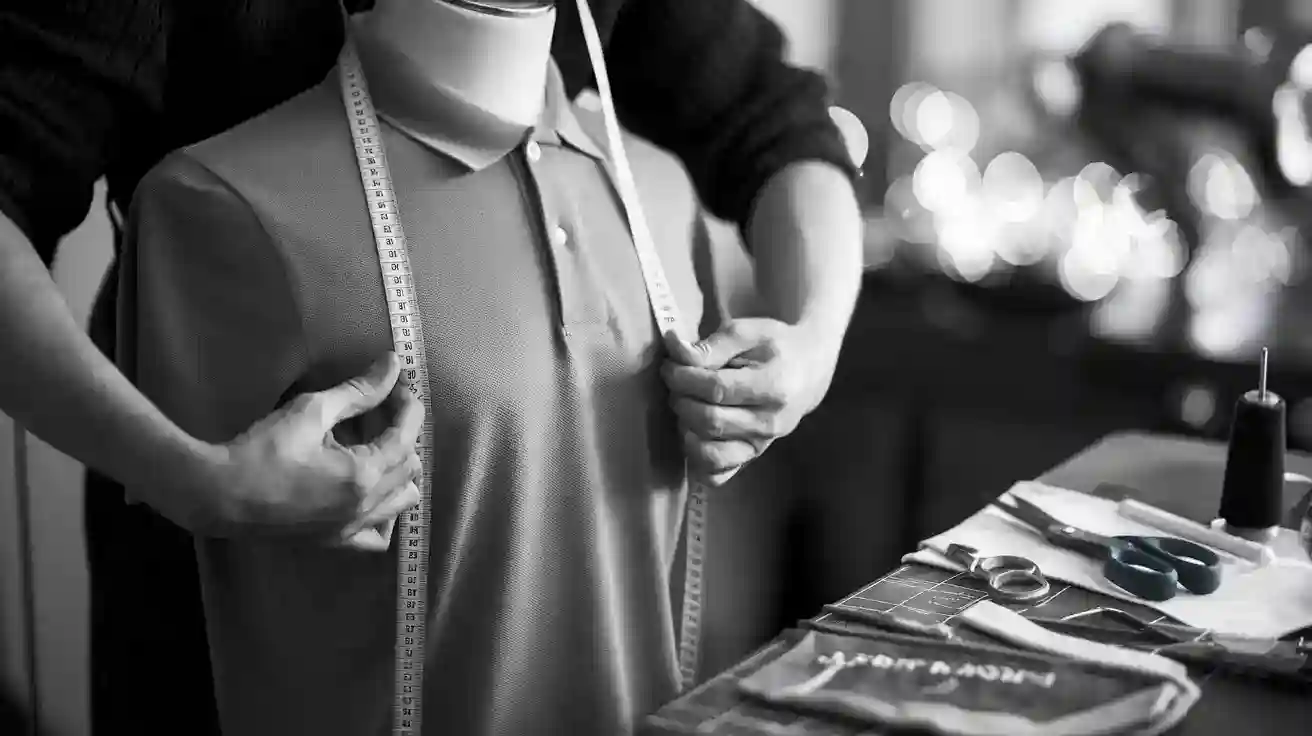
Yes, a tailor make a polo shirt smaller so I get a perfect fit. When I choose tailoring, I notice big changes in comfort, style, and confidence. Many people want custom polo shirts for reasons such as adding logos, improving durability, or adapting to different occasions. I see others value breathable fabrics, unique colors, and proper fit. Customization helps brands stand out, but it also meets my own needs for a shirt that truly fits.
Personalized polo shirts match different body shapes.
Tailoring makes any polo shirt versatile for casual or semi-formal events.
Key Takeaways
A tailor can make your polo shirt smaller by adjusting side seams, sleeves, and length for a better fit.
Good shoulder fit is essential before other alterations to ensure a balanced and polished look.
Tapering the body and shortening sleeves or length create a modern, comfortable, and stylish shirt.
Clear communication with your tailor about fit preferences and fabric details leads to the best results.
Stretch fabrics like elastane need special care during tailoring to keep comfort and shape.
Signs you need resizing include loose fit, baggy sleeves, and excess length that affect your look and comfort.
Tailoring costs vary by alteration type and location; always ask for a quote and plan enough time for quality work.
Avoid over-altering and choose an experienced tailor to ensure your polo shirt looks great and lasts long.
Tailor Make a Polo Shirt Smaller
Side and Sleeve Seams
When I want a polo shirt to fit better, I often start by asking the tailor to take in the side and sleeve seams. This step removes extra fabric from the sides, making the shirt slimmer and more flattering. The tailor makes careful measurements and marks the areas to adjust using tailor’s chalk. I notice that the tailor checks the fabric type first. Stretchy materials, like those with elastane or spandex, need special handling to keep the shirt comfortable and not too tight.
The tailor makes sure the seams stay strong and the shirt keeps its shape. They use matching thread and the right stitch, such as a straight or overedge stitch, to prevent fraying. I always try on the shirt during the process. This helps the tailor make small changes and ensures the fit feels just right. If the sleeves are too wide, the tailor can also take in the sleeve seams. This makes the arms look neater and stops the fabric from bunching up.
Tip: I always check that the shoulder fit is correct before asking for these changes. Most tailors focus on the sides and sleeves, but the shoulders should already fit well for the best results.
Tapering the Body
Sometimes, I want my polo shirt to have a more tailored look. The tailor makes this happen by tapering the body. This means they gradually narrow the shirt from the chest down to the waist. The result is a modern, fitted shape that looks sharp and feels comfortable. The tailor marks the new lines with chalk, then pins the fabric to show me how it will look.
I find that tapering works best when the shirt is only slightly too loose. If the shirt is very oversized, the tailor makes sure the design allows for such a big change. They check the seams and the fabric’s strength before starting. I appreciate that the tailor makes sure the shirt stays balanced and symmetrical. They often compare my shirt to another one that fits me well, using it as a guide for the new shape.
Tapering the body can also help if I want to wear my polo shirt for both casual and semi-formal events.
The tailor makes sure not to over-taper, which could make the shirt uncomfortable or restrict movement.
Shortening the Length
A polo shirt that is too long can look sloppy and feel awkward. I ask the tailor to shorten the length by marking where I want the new hem to fall. The tailor cuts off the extra fabric and uses a straight or blind hem stitch to finish the edge. This keeps the shirt looking neat and prevents fraying.
Before making any cuts, the tailor always washes and irons the shirt. This step allows for any shrinkage and removes wrinkles, so the final length is accurate. I like that the tailor checks for details like side vents or logos near the hem. They make sure not to damage these features during the alteration.
Shortening the length is one of the most common changes I request. It gives my polo shirt a cleaner look and helps it sit better on my hips. The tailor makes sure the new hem matches the original style, so the shirt still looks like it did when I bought it—just better fitting.
Note: If my shirt has special features, like embroidered logos or unique vents, I let the tailor know. They take extra care to preserve these details during the alteration.
Adjusting Sleeve Fit
When I want my polo shirt to look sharp, I pay close attention to the sleeves. Baggy or loose sleeves can make even a well-fitted shirt look sloppy. I ask the tailor to adjust the sleeve fit so the arms look neat and the shirt feels comfortable. The tailor makes careful measurements around my biceps and forearms. They check how much fabric to remove without making the sleeves too tight.
I notice that the tailor make adjustments by opening the sleeve seams and trimming away excess material. They then sew the sleeves back together, matching the original stitching style. This process keeps the shirt looking professional. Sometimes, I want the sleeves to end higher on my arm. The tailor make this change by shortening the sleeve length and reattaching the cuff or hem. This gives my polo shirt a modern, athletic look.
Tip: I always try on the shirt after the tailor make changes to the sleeves. This step helps me check the movement and comfort. I move my arms and stretch to make sure the sleeves do not feel restrictive.
Here are some benefits I have noticed after adjusting the sleeve fit:
My arms look more defined.
The shirt feels less bulky under a jacket or sweater.
The overall fit appears more custom and stylish.
I also ask the tailor to keep the sleeve opening proportional to the rest of the shirt. If the body of the shirt is slim, wide sleeves can look out of place. The tailor make sure the transition from the shoulder to the sleeve remains smooth. They avoid creating puckering or pulling at the seams.
If my polo shirt has special features, like ribbed cuffs or logos on the sleeves, I let the tailor know. They take extra care to preserve these details during the alteration. I find that a skilled tailor make even small changes look seamless.
Signs You Need Resizing
Loose Fit
When I put on a polo shirt and notice it hangs loosely around my torso, I know it needs resizing. A well-fitted polo should hug my body without feeling tight. If the fabric billows out or looks boxy, the shirt does not flatter my shape. I often see the collar start to sag when the shirt is too loose. This makes my whole outfit look sloppy and less put-together.
A loose polo shirt can make me look less mature.
The extra fabric adds bulk, especially if I wear an undershirt.
I feel less confident when my shirt does not fit well.
Tip: I always check how my polo looks under a jacket. If it bunches up or feels bulky, I know the fit is off.
A fitted polo helps me layer with jackets and sweaters. It also shows off my figure and gives me a polished appearance. When my shirt fits right, I feel more comfortable and confident throughout the day.
Baggy Sleeves
Baggy sleeves are another clear sign that my polo shirt needs resizing. When the sleeves flare out or hang away from my arms, the shirt looks oversized. I notice that baggy sleeves can make my arms appear smaller and the shirt look unbalanced. The extra fabric around my biceps and forearms creates a casual, almost careless vibe.
Baggy sleeves often bunch up under sweaters or jackets.
The loose fit around my arms can make the whole shirt look too big.
I find that the sleeve opening should match the slimness of the shirt’s body.
If I want a sharp, athletic look, I ask my tailor to adjust the sleeves so they sit closer to my arms.
A good sleeve fit helps my arms look more defined. It also keeps the shirt from feeling bulky or uncomfortable when I move.
Excess Length
When my polo shirt falls too far below my hips, I know it is too long. Excess length makes the shirt look sloppy and can throw off the balance of my outfit. I often find that a long polo bunches up when I sit or tuck it in. This extra fabric can make layering difficult and add unnecessary bulk.
Shirts that are too long can cover my pockets or bunch up at the waist.
The hem may hide important details, like side vents or logos.
I prefer my polo to end just below my belt line for a clean, modern look.
Note: I always try my shirt on after washing, since some fabrics shrink. This helps me decide if I need the length altered.
A polo shirt with the right length feels comfortable and looks sharp. It helps me achieve a neat, tailored appearance that works for both casual and semi-formal settings.
The Tailoring Process
Preparing Your Shirt
Before I visit my tailor, I always make sure my polo shirt is clean and freshly ironed. This step helps the tailor see the shirt’s true shape and makes it easier to mark for alterations. I check for any stains or damage, since these can affect the final result. If my shirt has already been washed and dried, I know it will not shrink much more, so the fit after tailoring will stay consistent.
I also try on the shirt at home and look in the mirror. I pay attention to areas that feel too loose or too long. Sometimes, I use chalk or pins to mark spots where I want changes. This preparation saves time during my appointment and helps me explain my needs clearly. I bring a well-fitting shirt as a reference if I have one. This gives the tailor a clear idea of my preferred fit and style.
Tip: I always empty my shirt pockets and remove any accessories before my fitting. This helps the tailor work more accurately.
Fitting and Pinning
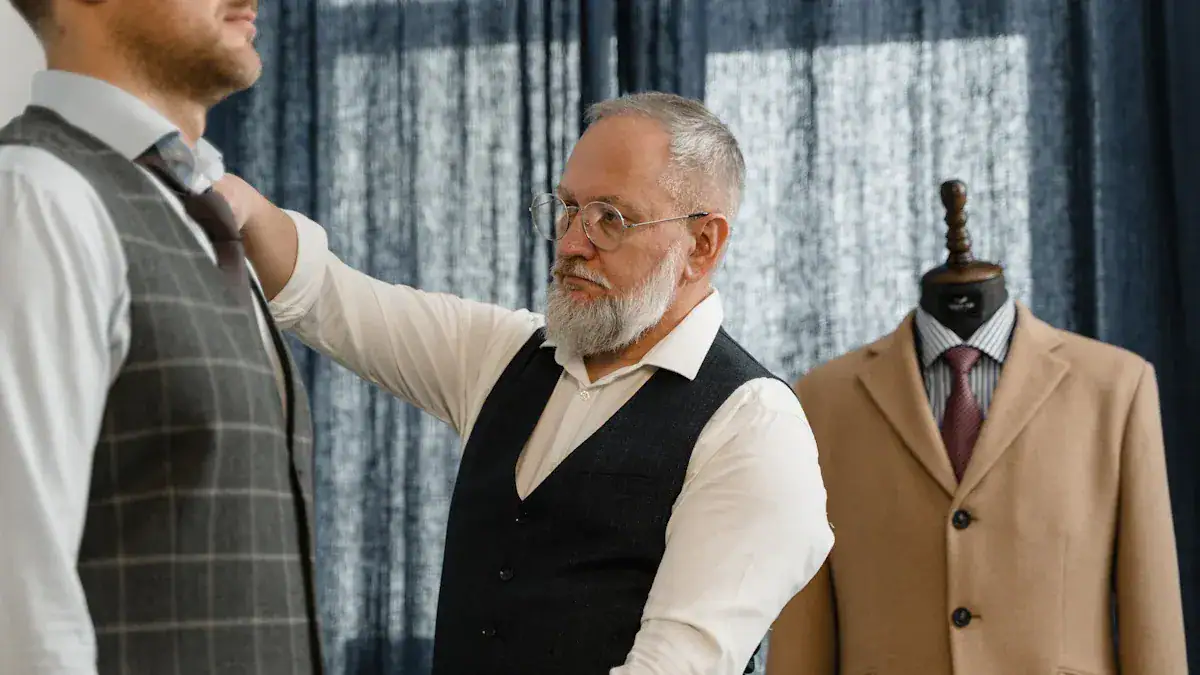
During the fitting, my tailor asks me to put on the polo shirt. We start by identifying which areas need adjustment. The tailor uses pins or chalk to mark these spots, and I give feedback as we go. I move around—sit, walk, and raise my arms—to check for comfort and proper fit. This step helps the tailor see how the shirt moves with my body.
Here is how my tailor ensures accuracy during this stage:
Mark the areas that need adjustment with pins or chalk, involving me in the process.
Ask me to move naturally to test comfort and fit.
Take precise measurements to match my body proportions.
Review the pinned adjustments with me in front of a mirror and discuss my preferences before sewing.
This process gives me confidence that the changes will match my expectations. I appreciate that my tailor checks every detail before making permanent alterations.
Communicating Preferences
Clear communication with my tailor always leads to the best results. I start by describing how I want my polo shirt to fit—whether I prefer a slim or relaxed look. I provide my measurements and specify adjustments, such as tapering the sides, shortening the hem, or changing the sleeve length. I talk with my tailor about the fabric type and how much it stretches, since this affects what changes are possible.
I also mention any design details I want to keep, like the collar style, button placket, or special embroidery. If I have a strong preference, I mark the shirt with chalk or pins to show exactly where I want changes. My tailor and I discuss how to maintain the shirt’s original style while improving the fit.
I always ask questions about any challenges, such as structured collars or delicate logos.
I make sure my tailor understands my priorities for comfort and appearance.
Note: Open and honest communication helps my tailor deliver a polo shirt that fits and looks exactly how I want.
Key Measurements
When I visit my tailor to resize a polo shirt, I always focus on the key measurements. These numbers guide every alteration and help the tailor create a shirt that fits my body perfectly. I learned that guessing or skipping these steps can lead to a shirt that feels awkward or looks off. I want to share the main measurements I always check with my tailor.
1. Chest Width
The chest width tells the tailor how much room I need across my upper body. I measure from one armpit to the other, straight across the front. This number helps the tailor avoid a shirt that feels too tight or too loose around my chest.
2. Waist Width
I like my polo shirts to taper slightly at the waist. The tailor measures across the narrowest part of the shirt, usually a few inches below the chest. This measurement shapes the shirt to my body and prevents a boxy look.
3. Shoulder Width
Shoulder fit is critical. I measure from the edge of one shoulder seam to the other, straight across the back. If the shoulders fit well, the rest of the shirt will look balanced. I never skip this step, since poor shoulder fit is hard to fix later.
4. Sleeve Length and Opening
I want my sleeves to end at the right spot on my arm. The tailor measures from the shoulder seam down to where I want the sleeve to stop. I also check the sleeve opening, which is the width at the end of the sleeve. This keeps the sleeves from feeling too tight or flaring out.
5. Shirt Length
The overall length affects how the shirt sits on my hips. I measure from the highest point of the shoulder down to the hem. I decide if I want the shirt to cover my belt or sit higher for a modern look.
Tip: I always wear the shirt and stand naturally during measurements. This helps the tailor see how the fabric falls and where adjustments are needed.
Here is a quick table I use with my tailor:
Measurement | How I Measure | Why It Matters |
|---|---|---|
Chest Width | Armpit to armpit, across the front | Comfort and movement |
Waist Width | Narrowest part, across the shirt | Shape and style |
Shoulder Width | Seam to seam, across the back | Balance and fit |
Sleeve Length | Shoulder seam to sleeve end | Arm coverage and style |
Sleeve Opening | Width at end of sleeve | Comfort and appearance |
Shirt Length | Shoulder to hem | Overall look and layering |
I always double-check these numbers with my tailor. I bring a shirt that fits me well as a reference. This makes it easier to compare and get the fit just right. I find that clear measurements save time and prevent mistakes. When I focus on these key points, I end up with a polo shirt that feels custom-made for me.
Fabric and Fit Considerations
Shoulder Fit
When I look for the perfect polo shirt fit, I always start with the shoulders. The shoulder seam placement sets the foundation for the entire shirt. If the seam sits too far off my shoulder, the shirt looks oversized and sloppy. If it sits too close to my neck, the shirt feels tight and uncomfortable. I learned that the seam should align exactly with the edge of my shoulder bone. This creates a clean, polished look and helps the shirt drape smoothly over my body.
The shoulder seam must match the edge of my shoulder for a tailored appearance.
If the seam sits near my neck, the shirt is too small.
The sleeve seam should end midway down my bicep for balance.
I avoid shirts with extra fabric pooling around the armholes, since this signals a poor fit.
I always check the shoulders before asking for any other alterations. When the shoulders fit right, the rest of the tailoring process becomes much easier. A good shoulder fit enhances my physique and keeps the shirt’s silhouette sharp.
Elastane and Spandex
I pay close attention to the fabric when I bring a polo shirt to my tailor. Cotton polos are usually easier to alter. The natural fibers allow for smooth adjustments, and the fabric holds its shape well after tailoring. When my shirt contains elastane or spandex, I know the process gets more complicated. These synthetic fibers add stretch, which makes the shirt comfortable but also tricky to alter.
My tailor must handle stretchy fabrics with extra care. If they pull the fabric too tight or use the wrong stitch, the shirt can lose its shape or even get damaged. I always ask my tailor about their experience with stretch materials. They need to consider the fabric’s elasticity and make sure the alterations do not affect the collar, embroidery, or other design details. I find that tailoring a cotton polo is usually straightforward, but polos with elastane or spandex require more skill and attention.
Tip: I always check the fabric label before visiting my tailor. Knowing the fabric blend helps me set realistic expectations for the final fit.
Shrinking at Home
Sometimes, I think about shrinking my polo shirt at home to get a better fit. I have tried washing it in hot water or putting it in the dryer on high heat. While this can make the shirt a little smaller, the results are unpredictable. The shirt might shrink unevenly, or the fabric could become stiff and uncomfortable. I also risk damaging logos, embroidery, or special finishes.
At-home shrinking rarely gives me the precise fit I want.
The process can cause the shirt to lose its original shape.
I cannot control how much the shirt will shrink or where the changes will happen.
For a reliable and professional result, I always choose tailoring over at-home shrinking. My tailor can make targeted adjustments that improve the fit without ruining the shirt. I save time and avoid disappointment by trusting an expert with my favorite polos.
Costs and Timing
Typical Prices
When I bring my polo shirt to a tailor, I always ask about the cost before starting any work. Prices can vary depending on the type of alteration and the city where I live. In major cities like New York or Los Angeles, I notice prices tend to be higher because of increased business expenses. Here is a table that shows the average cost range for common polo shirt alterations:
Type of Alteration | Average Cost Range (USD) |
|---|---|
Shorten sleeves | $12 – $50 |
Taper sleeves | $15 – $50 |
Add darts | $10 – $30 |
Shorten hem | Around $50 |
Full shirt slimming/resizing | $25 – $35 |
I usually pay around $20 for shirt darting, but the price can change by 25% to 50% depending on my location. Full shirt slimming or resizing often costs between $25 and $35. If I only need the sleeves shortened, I expect to pay $15 to $20, though some tailors offer lower prices. I always remember that prices in big cities are higher because of demand and overhead costs.
Tip: I ask for a quote before leaving my shirt with the tailor. This helps me avoid surprises when I pick it up.
Turnaround Time
I want my polo shirt to fit perfectly, but I also care about how long the tailoring takes. Most tailors tell me to expect at least one week for resizing a polo shirt. This timeline gives them enough time to pay attention to detail and deliver quality work. If I need my shirt quickly, some shops offer same-day service if I drop off my shirt before 9:00 am on weekdays. I use this option when I have an urgent event or need a fast turnaround.
Standard turnaround: At least one week for proper care and quality.
Same-day service: Available in some shops if dropped off early.
Rush orders: May cost extra and depend on the tailor’s schedule.
I always plan ahead and give my tailor enough time to do a good job. Rushing the process can lead to mistakes or lower quality.
Factors Affecting Cost
Several factors influence how much I pay and how long the tailoring takes. The skill and experience of the tailor matter a lot. I choose a tailor with a good reputation, even if the price is higher, because I want the best results. The type of fabric also affects the cost. Delicate materials like silk need special handling, which increases both price and time.
The complexity of the alteration plays a big role. Simple changes like shortening sleeves cost less, while reshaping the entire shirt or working with detailed embroidery costs more. The service model also matters. Traditional tailors, mail-in services, and mobile tailors offer different levels of convenience and pricing.
Type of garment: Polo shirts usually cost less to alter than jackets or suits.
Fabric: Stretchy or delicate fabrics require more skill and time.
Alteration complexity: More detailed work means higher prices.
Location: Big cities charge more because of higher expenses.
Service type: Dry-cleaners may offer lower prices, but standalone tailors provide better quality.
I always ask my tailor about their experience with my shirt’s fabric and design. This helps me understand the final cost and timeline.
Mistakes to Avoid
Over-Altering
When I first started tailoring my polo shirts, I thought making them as slim as possible would look best. I quickly learned that over-altering can ruin a shirt. Cutting away too much fabric makes the shirt too tight and uncomfortable. Sometimes, I could not even move my arms properly. I also noticed that sewing uneven lines or ignoring the fabric type led to shirts that looked unprofessional or lost their shape after washing.
Here are the most common mistakes I try to avoid when altering my polos:
Sewing uneven lines, resulting in a poor fit and sloppy look.
Over-shrinking the shirt by using too much heat during washing or drying.
Ignoring the fabric type, which can cause the shirt to stretch or distort.
Skipping proper measurements and relying on guesswork.
Tip: I always ask my tailor to make small adjustments first. It is easier to take in more fabric later than to fix a shirt that is already too tight.
Poor Communication
I have learned that clear communication with my tailor is just as important as their sewing skills. When I do not explain my preferences or measurements clearly, I often end up with a shirt that does not fit the way I want. Misunderstandings about sleeve length, body taper, or even the style of the hem can lead to disappointment.
Some problems I have faced because of poor communication include:
Improper fitting due to unclear instructions about measurements or design.
Delays in delivery when I did not confirm the timeline.
Frustration from repeated follow-ups when the tailor did not keep me updated.
Anxiety about pricing when costs were not discussed upfront.
I now make sure to discuss every detail, from the fit I want to the price and delivery date. I also ask my tailor to take notes or send a summary of our conversation. This helps both of us stay on the same page.
Note: I always bring a reference shirt or photos to show exactly what I want. Visual examples help avoid misunderstandings.
Choosing the Wrong Tailor
Not every tailor has the skills needed for polo shirt alterations. I once chose a tailor based only on price, and the results did not meet my expectations. Now, I look for someone with technical expertise in garment construction and experience with different fabrics, especially stretchy ones like elastane or spandex. I also check if the tailor pays attention to details like stitching, button placement, and collar shape.
When selecting a tailor, I consider these criteria:
Technical knowledge of sewing techniques and fabric selection.
Experience with various body types for a better fit.
Ability to handle different fabrics, including stretch materials.
Attention to detail in stitching and finishing.
Strong communication skills to understand my preferences.
Good reviews, referrals, or sample work that matches my style.
Before I commit, I ask questions about their experience, turnaround time, and alteration policies. This helps me feel confident that my polo shirt will come back looking and feeling just right.
Results and Expectations

Fit Improvements
When I pick up my tailored polo shirt, I notice the difference right away. The shirt hugs my body in all the right places. The sleeves fit my arms without extra fabric. The hem sits at the perfect spot on my hips. I feel more confident because the shirt looks like it was made just for me.
Here are some improvements I always see after tailoring:
The shirt no longer looks boxy or oversized.
The sleeves follow the shape of my arms.
The body of the shirt tapers for a modern, athletic look.
The length feels just right, so I can wear the shirt untucked or tucked in.
Tip: I always try on the shirt with different pants and jackets. This helps me see how the new fit works with my whole wardrobe.
A well-fitted polo shirt makes a big difference in my daily style. I get compliments more often. I also feel more comfortable moving around because the shirt fits my body, not just a generic size.
Durability After Alterations
I used to worry that altering my polo shirts would make them weaker. After working with skilled tailors, I learned that good alterations do not harm the shirt’s durability. My tailor uses strong stitches and matches the original thread. The seams stay flat and secure, even after many washes.
Here is a quick table showing what I check for durability:
Feature | What I Look For |
|---|---|
Seams | No loose threads or puckering |
Stitching | Matches original style |
Fabric strength | No stretching or thinning |
Hem finish | Clean and even |
I wash my tailored shirts as usual. The fit stays the same. The fabric does not pull or tear at the new seams. I find that high-quality tailoring can even extend the life of my favorite polos.
Note: I always follow the care instructions on the label. This keeps the shirt looking new after alterations.
When Not to Alter
Sometimes, I decide not to alter a polo shirt. Not every shirt is worth the investment. If the shoulders do not fit, I skip tailoring. Shoulder seams are hard to fix. If the fabric feels thin or worn out, I save my money for a better shirt.
Here are times when I avoid alterations:
The shirt has stains or holes.
The fabric has lost its stretch or shape.
The design does not allow for easy changes (like heavy embroidery or side vents in the wrong place).
The cost of tailoring is more than the price of a new shirt.
If I have doubts, I ask my tailor for advice. A good tailor tells me when a shirt is not a good candidate for resizing.
I learned that knowing when not to alter saves me time and money. I focus on shirts that have good fabric, proper shoulder fit, and classic designs. This way, I get the best results from every tailoring visit.
When I choose a skilled tailor, my polo shirts fit perfectly and feel custom-made. Tailored polos use high-quality, breathable fabrics that move with me, giving me comfort and style that off-the-rack shirts cannot match. I see the difference in how my shirt fits and how confident I feel.
Aspect | Tailored Polo Shirt | Off-the-Rack |
|---|---|---|
Fit | Perfect | Generic |
Comfort | Superior | Average |
Style | Personalized | Standard |
I always recommend taking your favorite polos to a trusted tailor for the best results.
FAQ
Can a tailor make any polo shirt smaller?
I have found that most polo shirts can be resized, but not all. If the shoulders fit well and the fabric is in good condition, my tailor can usually make it smaller. Shirts with heavy embroidery or unique designs may not work.
How much smaller can a tailor make my polo shirt?
My tailor can usually take in a polo shirt by one or two sizes. If I want a drastic change, I ask if the shirt’s design allows it. Too much alteration can affect the shirt’s shape and comfort.
Will tailoring affect the logos or embroidery on my shirt?
I always tell my tailor about any logos or embroidery. Skilled tailors work around these details, but sometimes resizing may move or distort them. I check with my tailor before starting any changes.
How long does it take to tailor a polo shirt?
Most of my polo shirt alterations take about one week. Some tailors offer same-day or rush services for an extra fee. I always ask about the timeline before leaving my shirt.
Can I tailor a polo shirt with stretch fabric?
Yes, I have tailored polos with elastane or spandex. My tailor uses special techniques for stretch fabrics. I make sure my tailor has experience with these materials to avoid damage or poor fit.
Is it better to buy a new shirt or tailor an old one?
If my shirt has good fabric and fits well in the shoulders, I choose tailoring. If the shirt is worn out or the cost of alterations is high, I buy a new one. I weigh the value before deciding.
Will my shirt shrink after tailoring?
I always wash and dry my shirt before tailoring. This step prevents further shrinking after alterations. If I follow care instructions, my tailored shirt keeps its new fit.
What should I bring to my tailoring appointment?
I bring my clean polo shirt and, if possible, a shirt that fits me well as a reference. I also prepare notes or photos showing my preferred fit. This helps my tailor understand exactly what I want.