

Reviewing the Most Popular Ski Pants for This Season
Table of Contents
Display
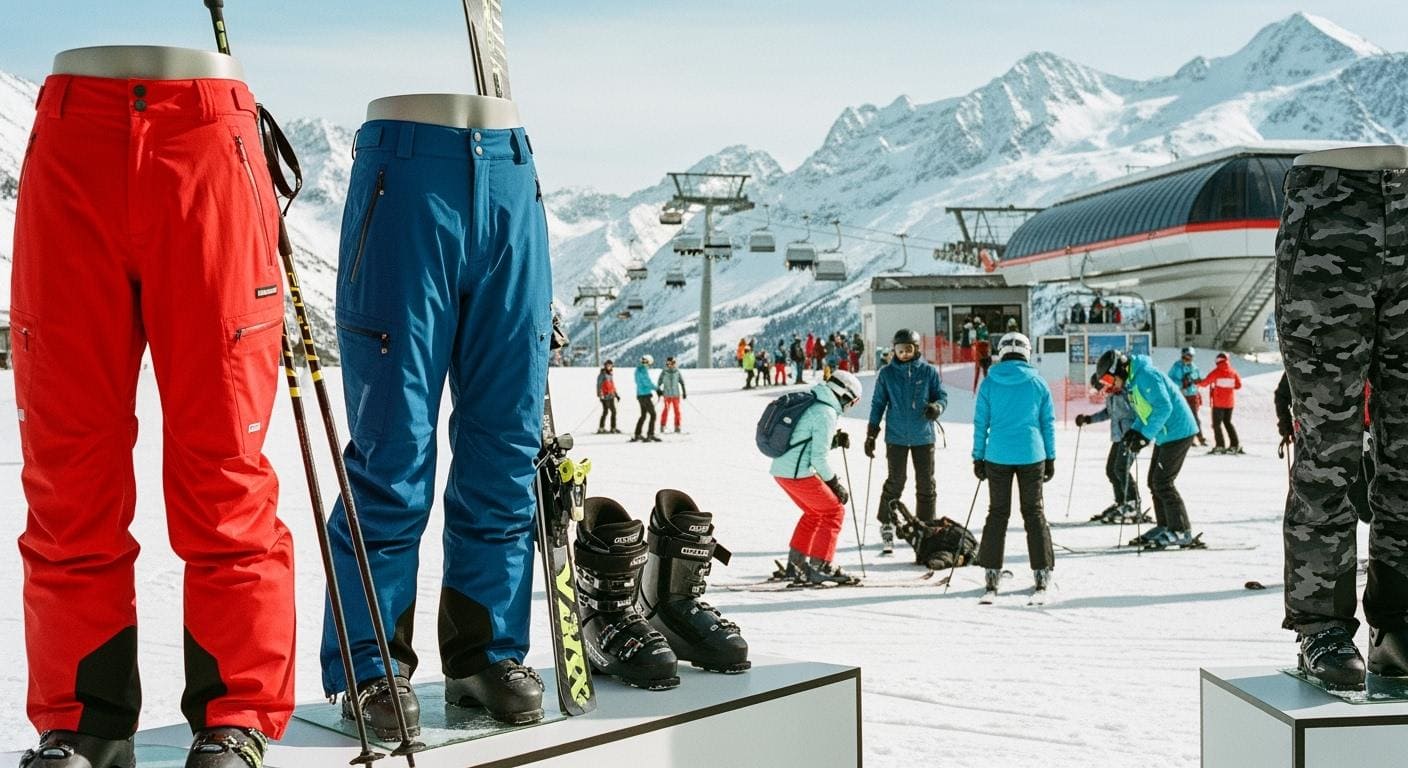
You want ski pants that deliver outstanding performance and comfort. This season, brands like Arc’teryx and Patagonia stand out for extreme conditions, while Columbia and BOWINS offer great value for milder slopes and tight budgets. Consider how breathability, insulation, durability, and fit can impact your time on the mountain. The table below highlights what matters most:
Feature | Benefit |
|---|---|
Breathability | Reduces sweat, keeps you comfortable |
Insulation | Warmer, lighter for cold days |
Durability | Lasts longer, resists abrasion |
Mobility & Fit | Moves with you, supports active skiing |
Safety | Adds rescue features for emergencies |
Key Takeaways
Choose ski pants based on your skiing style and conditions. Consider factors like insulation, waterproofing, and breathability.
Look for pants with high waterproof ratings and sealed seams to stay dry in wet conditions.
Prioritize breathability features like mesh-lined vents to prevent overheating during intense skiing.
Select insulated pants for cold weather and shell pants for active skiing or backcountry adventures.
Check the fit and mobility of ski pants. Adjustable waistbands and articulated knees enhance comfort and movement.
Consider durability when choosing ski pants. Look for reinforced materials that withstand wear and tear.
Evaluate the price against features. Premium pants offer advanced materials and better performance for frequent skiers.
Read expert and user reviews to understand real-world performance and comfort of different ski pants.
Best Ski Pants This Season
Best Overall Ski Pants
Key Specs
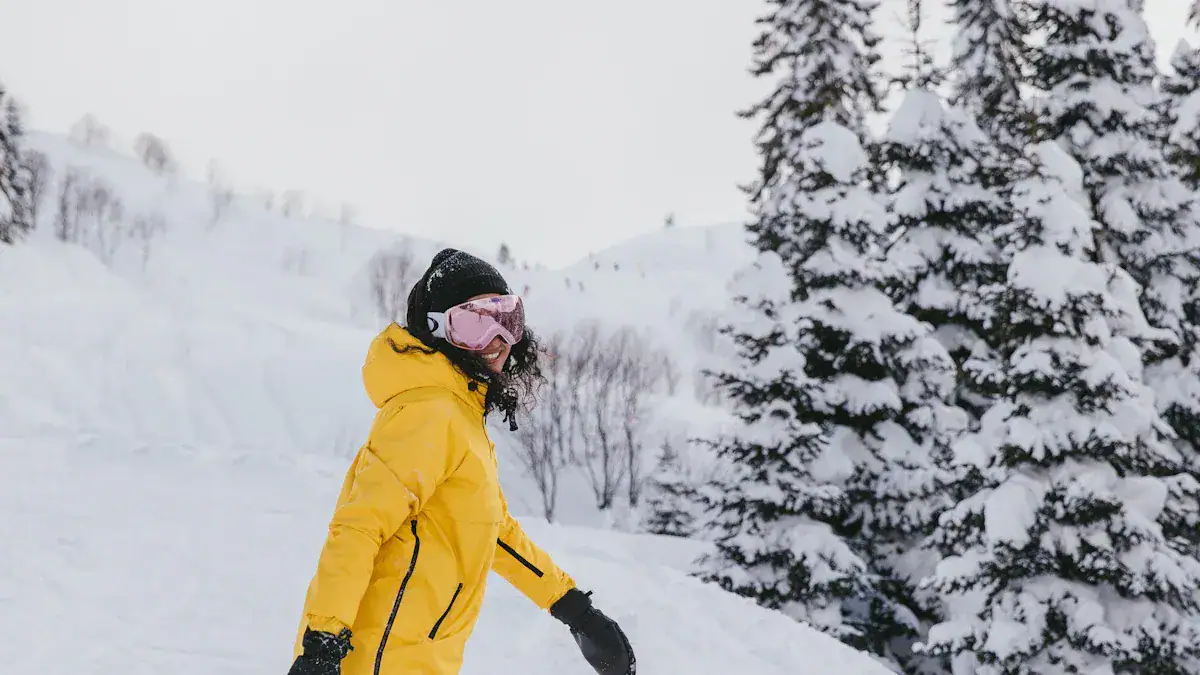
You want ski pants that excel in every condition. This season, two models stand out for their superior weather protection and comfort:
Arc’teryx Sabre Pant: Designed for men, offers bulletproof weather protection and a comfortable fit.
Arc’teryx Sentinel: Tailored for women, features a Gore-Tex shell that keeps you dry and comfortable during all activities.
Feature | Description |
|---|---|
Waterproofing | Keeps you dry with a rating above 20,000 mm and sealed seams. |
Breathability | Prevents moisture build-up with breathable membranes and venting options. |
Insulation | Uninsulated for versatility or insulated for warmth in colder climates. |
Fit and Mobility | Adjustable features and stretchy materials enhance comfort and movement. |
Durability | High-denier materials and reinforcements increase longevity against wear and tear. |
Features and Extras | Pockets, jacket integration, and safety locators improve your experience on the slopes. |
Performance
You experience top-tier ski performance with these pants. The Arc’teryx Sabre and Sentinel models deliver reliable weather protection in heavy snow and wind. You stay dry and comfortable, even during long days on the mountain. The waterproofing and breathability work together to keep sweat away and block moisture. You notice the difference in durability, as the reinforced materials resist abrasion from ski edges and rough terrain.
Comfort
You feel unrestricted movement thanks to the articulated fit and stretch fabrics. Adjustable waistbands and cuffs let you customize the fit for your body and boots. The lightweight design means you do not feel weighed down, and the venting options help regulate your temperature. Whether you ski aggressively or take it easy, these pants adapt to your style.
Pros and Cons
Tip: Choose these pants if you want maximum weather protection and comfort for all conditions.
Pros:
Outstanding waterproofing and breathability
Durable construction for long-term use
Comfortable fit with excellent mobility
Useful features like pockets and safety locators
Cons:
Higher price point than most competitors
May be overkill for casual or infrequent skiers
Best Budget Ski Pants
Key Specs
You do not need to spend a fortune to get reliable ski pants. The Eddie Bauer Chair Six Shell Pant offers great value and solid weather protection.
Brand/Model | Price | Weight | Size | Key Features |
|---|---|---|---|---|
Eddie Bauer Chair Six Shell Pant | $229 | 1.3 lb | Regular, tall, S-XXL | Three-layer fabric, 20,000 mm water resistance, inner thigh vent, great value for quality pants. |
Performance
You get dependable weather protection with the Chair Six Shell Pant. The three-layer fabric and 20,000 mm water resistance keep you dry in moderate snow and light rain. You benefit from inner thigh vents that help manage heat during active skiing. The pants hold up well for resort days and casual outings.
Comfort
You enjoy a comfortable fit with multiple size options, including regular and tall. The lightweight design makes movement easy, and the adjustable waistband helps you find the right fit. The fabric feels soft against your skin, and the vents add extra comfort when temperatures rise.
Pros and Cons
Note: These pants work best for budget-conscious skiers who want solid performance without extra frills.
Pros:
Affordable price for high-quality ski pants
Good weather protection for most conditions
Comfortable fit with size variety
Lightweight and easy to move in
Cons:
Fewer advanced features than premium models
May not withstand extreme weather or heavy use
Best Resort Ski Pants
Key Specs
You need ski pants that balance comfort, performance, and weather protection for resort skiing. Two models receive top recommendations:
Mammut Stoney HS Ski Pants: Features a 3-layer waterproof laminate, non-slip snow gaiters, and adjustable waistband.
Arc’teryx Sentinel Relaxed Pant: Offers waterproofing, breathability, PowderCuffs, and thigh vents for versatile resort use.
Performance
You experience reliable weather protection with both models. The Mammut Stoney HS keeps you dry with its waterproof laminate and prevents snow from entering with non-slip gaiters. The Arc’teryx Sentinel Relaxed Pant provides excellent breathability and waterproofing, so you stay comfortable in changing resort conditions. Thigh vents help you cool down quickly after intense runs.
Comfort
You appreciate the adjustable waistband and relaxed fit, which allow for easy layering and movement. The snow gaiters keep your legs dry and warm, while the PowderCuffs on the Sentinel Relaxed Pant seal out snow at the boots. Both pants offer enough room for dynamic skiing without feeling bulky.
Pros and Cons
Tip: Resort skiers benefit most from pants that combine weather protection and comfort for all-day wear.
Pros:
Excellent waterproofing and breathability
Adjustable features for personalized fit
Snow gaiters and PowderCuffs enhance weather protection
Comfortable for long days at the resort
Cons:
May feel too warm for spring skiing
Slightly higher price than basic models
Best Backcountry Ski Pants
Key Specs
When you venture into the backcountry, you need ski pants that offer maximum durability and weather resistance. The following table compares top-rated models for backcountry use:
Ski Pants | Durability | Weather Resistance | Price |
|---|---|---|---|
The North Face Women’s Summit Tsirku GTX Pro Bib | High coverage bib with 80-denier nylon face fabric | Gore-Tex Pro membrane for storm protection | $700 |
Mammut Haldigrat Air HS Pant | Robust three-layer construction with 40-denier polyamide | Breathable and moisture-wicking | $449 |
Patagonia Untracked Bibs | Strong and lightweight with recycled nylon | Gore-Tex ePE three-layer membrane for harsh weather | $649 |
Performance
You rely on backcountry ski pants to keep you protected in unpredictable conditions. These models use advanced waterproof membranes, such as Gore-Tex Pro and ePE, to shield you from heavy snow and wind. The robust construction resists abrasion from rocks and trees. You benefit from large zipper vents on the thighs, which help you regulate heat during uphill climbs. Beacon pockets add a layer of safety, making it easier to access emergency gear.
Comfort
You experience comfort through breathable materials that prevent overheating during high-output touring. The articulated fit allows you to move freely on steep terrain. Adjustable suspenders and waistbands help you customize the fit for long days in the backcountry. Soft inner linings and moisture-wicking fabrics keep you dry and comfortable, even when you sweat.
Pros and Cons
Tip: Choose backcountry ski pants with beacon pockets and thigh vents for safety and temperature control.
Pros:
Superior weather protection for harsh environments
Durable fabrics withstand tough terrain
Effective ventilation systems prevent overheating
Safety features like beacon pockets
Cons:
Higher price compared to resort models
May feel bulky for casual skiing
Best Ski Pants for Men
Key Specs
You want ski pants that combine weather resistance, durability, and style. Men’s ski pants often feature athletic fits and reinforced construction. Popular options include Arc’teryx Sabre, Flylow Baker Bib, and Helly Hansen Legendary Pant.
Performance
You notice that men’s ski pants excel in weather resistance. Waterproof materials and durable water-repellent finishes keep you dry in wet conditions. Protected zippers and inner powder cuffs block out snow and moisture. These design elements ensure you stay comfortable during long days on the slopes.
Comfort
You appreciate the fit that allows for a full range of motion. Athletic cuts accommodate movement without feeling too tight or loose. Adjustable waistbands and articulated knees enhance comfort. You find that these pants work well for both aggressive skiing and relaxed resort days.
Pros and Cons
Note: Men’s ski pants with athletic fits and reinforced features offer the best balance of performance and comfort.
Weather resistance features such as waterproof materials and durable water-repellent finishes
Inner powder cuffs and protected zippers for enhanced weather protection
Fit considerations that allow for a range of motion
Style preferences trending towards athletic fits
Pros:
Excellent weather protection
Durable construction for frequent use
Comfortable fit for active skiing
Stylish athletic design
Cons:
Some models may run narrow in the waist
Limited color options in certain brands
Best Ski Pants for Women
Key Specs
Women’s ski pants focus on fit, breathability, and insulation. You find options like Arc’teryx Sentinel, Patagonia Snowbelle, and North Face Freedom Insulated Pant. The table below highlights important design elements:
Design Element | Description |
|---|---|
Construction Types | 2-layer and 3-layer constructions, with 2-layer being suitable for resort use and 3-layer for breathability. |
Waterproofing | Essential for ski pants; options include Gore-Tex for high durability and in-house laminates for budget options. |
Breathability | Varies by use; 2-layer pants are sufficient for resort skiing, while 3-layer designs are better for backcountry. |
Insulation | Insulated models are recommended for warmth, typically using synthetic fill for better performance in wet conditions. |
Durability | Measured by fabric denier; thicker fabrics are used for resort-oriented designs, while touring pants prioritize comfort. |
Pockets | Simple zippered pockets are preferred for personal items, with backcountry pants offering more storage options. |
Ventilation | Zippered vents are common for breathability, with outer-thigh vents being more effective than inner-thigh ones. |
Performance
You benefit from waterproofing and breathability tailored to your skiing style. Gore-Tex and in-house laminates keep you dry in snowy conditions. Insulated ski pants use synthetic fill to provide warmth, especially in wet weather. Thicker fabrics offer durability for resort skiing, while lighter materials improve comfort for touring.
Comfort
You enjoy a fit designed for women, with options for both relaxed and athletic cuts. Adjustable waistbands and articulated knees enhance mobility. Zippered vents help you regulate temperature, and simple pockets keep your essentials secure. You find that these pants adapt well to both resort and backcountry adventures.
Pros and Cons
Tip: Select women’s ski pants with the right construction and insulation for your preferred terrain and climate.
Pros:
Waterproof and breathable for all conditions
Insulated ski pants provide warmth in cold weather
Durable fabrics for resort use
Comfortable fit with effective ventilation
Cons:
Some models may lack storage options
Breathability varies by construction type
Best Snow Pants Comparison

Ski Pants vs. Snow Pants
You might wonder how ski pants and snow pants differ when you shop for winter gear. Both protect you from cold and wet conditions, but they serve different needs on the mountain. Ski pants focus on performance and movement. Snow pants offer comfort and versatility for a range of winter activities.
Insulation: Ski pants often use synthetic insulation to keep you warm. Snow pants usually have less insulation and prioritize breathability, which helps you stay comfortable during milder days or when you move a lot.
Windproofing: Ski pants provide strong windproofing. You stay protected from gusts on exposed slopes. Snow pants may focus more on waterproofing and less on blocking wind.
Fit: Ski pants feature an athletic fit. You get freedom of movement for turns and jumps. Snow pants tend to have a looser fit, making it easier to layer underneath and move around casually.
Tip: Choose ski pants for active skiing and snow pants for general winter use or snowboarding.
The table below compares performance and comfort ratings between top models:
Feature | Ski Pants | Snow Pants |
|---|---|---|
Waterproof Rating | Typically lower than ski pants | |
Breathability Rating | 10,000g/m²/24hrs or higher | Often lower than ski pants |
Insulation | Shell or insulated options | Usually insulated |
Taped Seams | Fully taped seams preferred | May have critically taped seams |
Waterproof Zips | Watertight or storm flaps | Standard zips |
Features | Pockets, vents, adjustable cuffs | Basic features |
Top Snow Pants Picks
You want the best snow pants for comfort, warmth, and durability. This season, top-rated models use advanced materials and smart design features. You find options made from nylon, polyester, and spandex blends. These fabrics offer stretch and breathability, so you move easily and stay dry.
Feature | Description |
|---|---|
Material | 50% Nylon, 43% Polyester, 7% Spandex, 3-layer Pertex Shield waterproof Nylon |
Insulation | 60g MicroTempXF II Synthetic Fibers |
20,000mm | |
Weight | 1 lb. 9 oz. for Trailbreaker II, 13.3 oz. for Ortler 3L |
Recommended Use | Backcountry skiing for Trailbreaker II, downhill skiing and snowboarding for Ride Ons |
Features | Zippered vents, articulated knees, adjustable waistband, breathable fabric, safety beacon pocket |
Gaiters | Stretchy gaiters for Trailbreaker II, adjustable gaiters for Ortler 3L |
Pockets | Zippered thigh and hand pockets for Trailbreaker II, zippered hand pockets for Ride Ons |
You benefit from breathable and stretchy outer fabric. Reinforced scuff guards add durability. Adjustable waists give you a customized fit. Zippered thigh vents help you regulate temperature. Lightweight designs make movement easy, whether you ski or snowboard.
Note: The best snow pants combine warmth, waterproofing, and smart features. You stay comfortable and protected all day.
If you read a ski pants review, you see that ski pants excel in performance and fit. Snow pants shine in comfort and versatility. You choose the best snow pants for your activity and climate. You enjoy winter sports with gear that matches your needs.
Ski Pants Buyer’s Guide
Waterproofing & Breathability
You want ski pants that keep you dry and comfortable in changing conditions. Waterproofing protects you from snow and rain, while breathability helps sweat escape. When you read a ski pants review, you often see waterproof rating numbers. These ratings measure how much water the fabric can resist before leaking. A higher waterproof rating means better weather protection. Look for pants with sealed seams and waterproof zippers. These features block moisture and keep you warm.
Breathability matters just as much. You need pants that let air flow, so you avoid overheating. Check for mesh-lined vents or zippered thigh vents. These allow you to cool down quickly after intense runs. Experts recommend choosing pants with high waterproof and breathability ratings for resort and backcountry skiing. If you ski in wet climates, prioritize weather protection. If you ski in dry, cold areas, focus on breathability.
Tip: Always check the waterproof rating and breathability score before buying. These numbers help you compare options and find the right balance for your style.
Insulation Types
You must decide between insulated or shell ski pants. Insulated pants use synthetic fill to trap heat. Shell pants offer lightweight weather protection without extra warmth. Your choice affects how you move and feel on the slopes. The table below shows how insulation types change warmth, weight, and fit and mobility:
Type of Ski Pants | Warmth | Weight | Movement |
|---|---|---|---|
Insulated | High | Heavy | Restricted |
Shell | Low | Light | Free |
Insulated pants work best for cold resort days. You stay warm but may feel less mobile. Shell pants suit active skiers and backcountry adventures. You get better fit and mobility, and you can layer underneath for extra warmth. When you ask how to choose ski pants, consider your climate and activity level. If you ski in freezing temperatures, pick insulated pants. If you tour or hike, choose shells for better fit and mobility.
Windproofing
You need windproof ski pants for exposed slopes and high-altitude skiing. Windproofing blocks cold gusts and keeps you comfortable. Most ski pants use tightly woven fabrics and special coatings to stop wind. Look for features like reinforced inner ankles and snow gaiters. These details improve weather protection and durability. Thigh vents help you manage heat without letting wind inside.
Note: Windproofing adds another layer of weather protection. You stay warmer and enjoy better fit and mobility, even in harsh conditions.
When you read a ski pants buyer’s guide, you see that windproofing, waterproofing, and insulation all work together. You get the best experience when you match your pants to your skiing style. Resort skiers need warmth and weather protection. Backcountry skiers need breathability and fit and mobility. Casual skiers want comfort and easy movement.
Fit & Sizing
You want ski pants that fit your body and support your movement on the slopes. Fit and mobility matter most when you ski aggressively or spend long days outdoors. Leading brands offer different sizing options to help you find the right match. Obermeyer provides a size chart with waist, hip, and inseam measurements for each size. Flylow gives tailored sizing information so you can achieve a good fit and mobility. Patagonia uses detailed size guides and tends to offer a looser fit, which means you see larger differences between sizes.
When you shop, check the brand’s sizing chart and measure yourself. You should try on ski pants with your base layers to see how they feel. Look for adjustable waistbands, articulated knees, and stretchy fabrics. These features improve fit and mobility and let you move freely. If you ski in the backcountry or enjoy dynamic turns, prioritize pants with a relaxed or athletic cut. Resort skiers often prefer a slightly looser fit for layering and comfort.
Tip: Always test the fit and mobility before buying. Move, squat, and stretch to make sure the pants do not restrict you.
Durability & Materials
You need ski pants that last through tough conditions and frequent use. Durability depends on the materials and construction. Many brands use GORE-TEX or proprietary waterproof finishes like Black Diamond’s BD.dry, Patagonia’s H2No, and Mammut’s DRYtechnology Pro. These materials provide strong weather protection and keep you dry in snow and rain.
The construction type also affects durability and fit and mobility. Two-layer pants offer basic weather protection and comfort. Three-layer pants fuse layers together, which increases breathability and durability. You get better fit and mobility with three-layer designs because they feel lighter and move with you. Look for extra reinforcement in high-wear areas, such as scuff guards on the ankles. These features protect your pants from ski edges and rough terrain.
GORE-TEX and proprietary fabrics resist water and wind.
Three-layer construction improves breathability and durability.
Reinforced cuffs and scuff guards extend the life of your ski pants.
Price & Value
You want ski pants that deliver value for your budget. Prices range from affordable to premium, depending on features and materials. Entry-level pants offer basic weather protection and fit and mobility for casual skiers. Mid-range options add features like thigh vents, adjustable waists, and better waterproof and breathability ratings. Premium pants use advanced materials, three-layer construction, and extra reinforcements for maximum fit and mobility and weather protection.
When you decide how to choose ski pants, consider your skiing style and climate. Resort skiers may choose insulated or shell pants with good weather protection. Backcountry skiers often invest in lightweight, breathable pants with high durability. You get the best value when you match features to your needs and avoid paying for extras you do not use.
Note: Use the ski pants buyer’s guide to compare price tiers and features. Focus on fit and mobility, weather protection, and durability to make the best choice.
How We Chose the Best Ski Pants
Selection Criteria
You want ski pants that meet your needs on the mountain. You should look for pants that offer strong waterproofing, reliable breathability, and lasting durability. You need to consider insulation levels for warmth and check for features that improve fit and mobility. You benefit from pants with adjustable waists, articulated knees, and stretchy fabrics. You should also look for reinforced cuffs and scuff guards to protect against ski edges. You get more value when you choose pants that balance price with performance. You need to match your choice to your skiing style, whether you prefer resort runs or backcountry adventures.
Tip: Always check the features that support fit and mobility. These details help you move freely and stay comfortable all day.
Testing Process
You rely on trusted review organizations to test ski pants in real-world conditions. You see that each group uses different methods to evaluate performance. You can compare their approaches in the table below:
Review Organization | Key Focus Areas | Methodology |
|---|---|---|
Outdoor Life | Field testing, durability, waterproofing, breathability, user experience | Conduct interviews with manufacturers, engineers, and outdoor experts; prioritize objective data and field testing |
Powder Magazine | Performance in various conditions | Comprehensive reviews based on extensive testing |
GearJunkie | User experience and product flaws | In-depth analysis of product features and user feedback |
You notice that Outdoor Life focuses on field testing and interviews with experts. You get insights into durability and fit and mobility from their objective data. Powder Magazine tests pants in many conditions, so you learn how each model performs on different terrain. GearJunkie highlights user experience and product flaws, helping you understand how fit and mobility affect comfort and movement. You gain a complete picture when you read reviews from multiple sources.
Expert & User Reviews
You benefit from expert opinions and user feedback when choosing ski pants. You see that experts test pants for waterproofing, breathability, and fit and mobility. You read about how articulated knees and adjustable waists improve movement. You find that users often mention comfort and durability in their reviews. You learn which pants work best for resort skiing and which models excel in the backcountry. You discover that many users value fit and mobility above all else, especially when skiing aggressively or touring uphill.
Note: You should read both expert and user reviews to understand how ski pants perform in real life. You get honest feedback about fit and mobility, weather protection, and long-term durability.
You make better decisions when you combine expert testing with user experiences. You find ski pants that match your needs and help you enjoy every day on the slopes.
You want the best ski pants for your style and budget. Focus on these important factors:
Breathability and waterproofing keep you dry and comfortable.
Thermal insulation adds warmth on cold days.
Wind resistance helps you stay warm.
Freedom of movement supports your skiing performance.
Material quality and fit improve durability and mobility.
Features like ventilation zippers and waist adjustments boost functionality.
When you choose ski pants, use these quick tips:
For backcountry, pick hybrid pants with durability and waterproofing.
For resort skiing, select insulated pants for warmth and comfort.
For casual skiing, look for lightweight and breathable materials.
You should try on ski pants before buying. Read a ski pants review to learn about real experiences. Prioritize comfort, performance, and value for the best ski pants.
FAQ
What is the difference between insulated and shell ski pants?
Insulated ski pants keep you warm with built-in padding. Shell ski pants offer weather protection without extra warmth. You can layer underneath shells for flexibility in changing conditions.
How do you choose the right size for ski pants?
You should check the brand’s size chart. Measure your waist, hips, and inseam. Try on pants with your base layers. Adjustable waists and articulated knees help you find a comfortable fit.
Can you wear ski pants for snowboarding?
You can wear ski pants for snowboarding. Most ski pants provide waterproofing, breathability, and mobility. Look for reinforced cuffs and relaxed fits for extra comfort on a snowboard.
How do you wash and care for ski pants?
You should follow the care label instructions. Use cold water and mild detergent. Avoid fabric softeners. Hang dry your pants. Reapply a water-repellent spray to maintain waterproofing.
Are expensive ski pants worth the price?
Expensive ski pants often use advanced materials and offer better durability. You get improved waterproofing, breathability, and features. If you ski often or in harsh conditions, premium pants provide more value.
What features should you look for in ski pants?
Tip: Focus on waterproofing, breathability, fit, and durability.
You should look for adjustable waists, thigh vents, reinforced cuffs, and enough pockets for your essentials.