

Restaurant Front-of-House Polo Shirt OEM | Dining-Room Polos
Table of Contents
Display
A front-of-house polo lives under dining-room light, next to guests, and through a pace that does not pause for a wardrobe change. It has to hold a collar through a double service, release a splash in the wash, and still look like the same brand at a host stand and on the floor. That is a narrower brief than a full waitstaff uniform program.
This page specifies a restaurant front-of-house polo only. It is written for restaurant-group operations, FOH managers, purchasing, and brand teams who dress adult dining-room crews — hosts, greeters, floor leads, and floor staff in concepts that run a polo as the guest-facing top. It is not a kitchen program, and it is not a catalog of every front-of-house piece. If you need a broader waitstaff kit, use the restaurant waitstaff uniform OEM page and keep this polo brief as the knit top inside that conversation, not as a rewrite of it.
What a dining-room polo has to survive
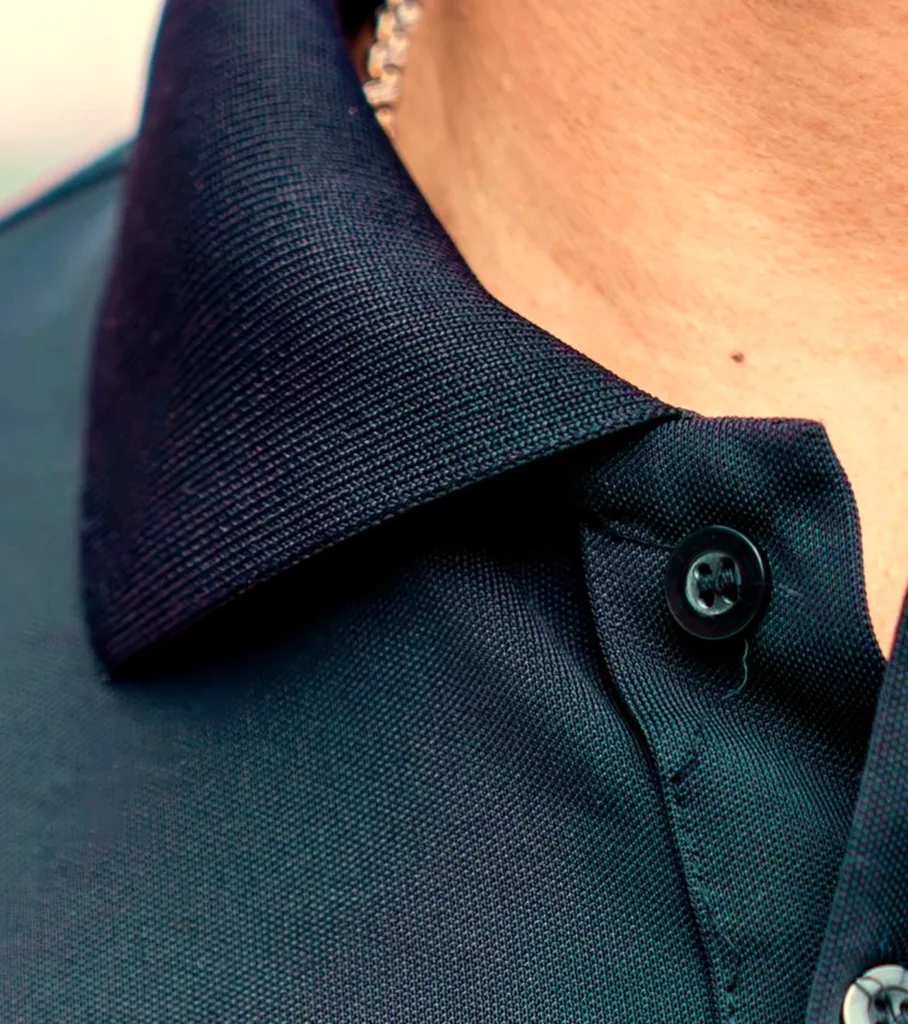
Willow & Grain can run lunch and dinner in the same shirt. Cedar & Salt can run a busier weekend service with the same collar under warmer lights. In both rooms, the polo fails in predictable ways if you brief it like a generic corporate knit:
The collar rolls or dies after a humid service and a hot wash, and the host stand looks unfinished in arrival photos.
A thin body shows sweat or a splash and turns transparent under dining LEDs.
The hem rides up when a floor lead reaches across a table or lifts a tray at the pass.
Embroidery puckers on a stretch knit, or a print cracks after nightly laundry.
Two outlets receive slightly different navies, and float staff look like they came from another concept.
The polo has to be specified for guest distance and for motion. Guests see the collar and the chest mark first. The wearer needs armhole and hem ease for walking the room, reaching a table, and moving through a tight pass. Those two needs sit in one garment. They are not solved by adding other product families to this brief.
Host, floor, and pass-side looks — still one polo family
Role should be readable without breaking the brand. The usual tool is color depth or trim, not a different shirt pattern for every job.
Hosts and greeters often need the sharpest collar and the cleanest front, because they are in arrival photos and at the first greeting.
Floor staff need the same brand mark with a knit that moves and recovers through a long service.
Floor leads can wear a tonal contrast on the placket or collar, or a slightly deeper shade of the same color, so they can be found on the floor without a second logo system.
Pass-side or bar-adjacent floor roles, where condensation and light splashes are more frequent, often do better in a darker tone of the same family, still on the same pattern.
Willow & Grain might run a stone body with a navy collar at the host stand, and a navy body with the same mark on the floor. Cedar & Salt might hold one navy body and use a contrast placket only for leads. In both cases, logo size, stitch or film color, and collar construction stay locked. Do not change body color, trim, and logo color all at once, or the family resemblance disappears.
This is still a restaurant dining-room program. Keep the brief on the room your guests sit in, not on a lodgings or front-desk concept from another sector.
Collar, placket, and hem in motion
The collar is the guest-facing structure. Specify a stand and interlining that hold shape through a service and through the wash you actually run. Host polos can take a firmer interlining. Floor polos often need a slightly softer collar that still stands, because a stiff band becomes uncomfortable during overhead reaches. Keep the placket button count and button color identical across roles so the shirts still look like one program when a host covers a floor section.
Hem and side vents decide whether the polo stays presentable in motion. A straight, clean hem suits the host stand. A slightly longer back hem with vents suits floor work, as long as the difference is modest and the side seams still look tidy when the wearer is standing in conversation with a guest. Test a reach across a set table and a walk through the pass. If the hem rises or twists, fix the pattern before you approve color.
Fit should be easy enough through the shoulder and chest for tray and reach work, and still neat at the waist in a dining-room photo. Offer men’s and women’s blocks, or a unisex block plus a shaped option, from a roster survey — not from a single fit model in a meeting room.
Knits, stain-release, and the wash between services
Front-of-house polos often go through laundry at a high frequency, sometimes between services. Name that route in the brief: in-house wash, external laundry, typical temperature, and whether shirts are pressed. Then choose a mid-weight knit that holds opacity, releases light food and drink marks, and keeps the collar standing after that cycle.
Cotton-rich pique feels familiar and takes embroidery well, but it can wrinkle and dry more slowly. A poly-cotton or performance blend usually wins on wrinkle recovery and shade hold when laundry is frequent. If you want a stain-release finish, wash-test it on the production knit and check that it does not change the hand or the logo surface. Do not brief a decorative “performance” claim you cannot test.
Ask for a wash trial before you lock the fabric: shade change, pilling at the collar and underarm, shrinkage through the chest and length, and embroidery or print after the agreed number of cycles. A polo that looks sharp on day one and dull at the collar in week three will be visible to guests.
Decoration should be approved on the real knit. Left-chest embroidery is the standard for host and lead polos. A sleeve mark can work for floor staff if you want a cleaner chest during movement. Keep one size in millimeters. A dense stitch that looks crisp on a firm pique can pucker a stretchier floor knit, so the sew-out must be on each fabric if the two roles use different weights.
Multi-outlet shade lots and a polo-only briefing
Shade is the multi-site problem. Lock a physical color standard and approve a lab dip on the production knit, viewed under dining-room light, not only in daylight in an office. When Willow & Grain and a sister dining room share a navy, they should share a dip and a retained swatch. Reorders should be matched to that swatch, not to a memory of last season’s shirt.
A polo-only RFQ should not be written as a full waitstaff catalog. Keep the document on the knit top, then point to other pages if you later add bottoms or layers as separate styles.
Field | What to lock |
|---|---|
Roles on this polo | Host, floor, floor lead; pass-adjacent floor if needed |
Knit | Composition, weight, stretch and recovery; opacity under dining light |
Collar and placket | Interlining, button count, whether host and floor differ in firmness only |
Hem | Straight or slightly longer back; vents or not |
Color board | Body, collar, and placket by role; one physical standard |
Logo | File, size, placement by role, method, sew-out on the real knit |
Laundry | Route, temperature, and wash-trial method |
Sizes | Roster survey; men’s and women’s or shaped |
Packing | By outlet; size marks; date for a new-site opening |
For comparable knit construction notes, see corporate polo shirts OEM and custom polo shirt OEM. Those pages are not restaurant programs; use them for collar and decoration detail, then bring the brief back to dining-room conditions.
A catalog polo can dress a single opening quickly. A private-label polo is the better path when several outlets must match for years and you need your own collar, hem, and color board. A hybrid — a proven knit body with your collar trim, your dip, and a locked mark — is common for dining groups that have to move fast and still look consistent.
Trial a service, then lock the PPS
A hanger review will not show a collar at the end of service. Put host and floor samples on people who will work a real seating. Check:
Collar and placket after several hours in room heat and light.
Hem and shoulder during a reach and a walk through the pass.
Opacity of a lighter color under dining LEDs.
Comfort of the collar during repeated movement.
Logo sit after the shirt has been worn and washed.
Then approve a pre-production sample in the bulk knit, the approved dip, the production collar, and the production mark. Sign it, and seal a copy at your office and at the factory. Do not release cutting from an unworn proto.
When host and floor polos share the same knit and differ only by trim or shade depth, you may be able to plan them as coordinated colorways of one style. If the floor knit is a different weight or a different collar build, treat it as its own style. Plan volume around about 2,000 pieces per style, combining outlet size runs that share the same cloth. Pack by dining room so a Cedar & Salt opening kit is not mixed with a Willow & Grain replenishment.
Questions restaurant FOH buyers ask
How is this different from the restaurant waitstaff uniform page?
That page covers a full front-of-house program with several garments. This page specifies only the dining-room polo — collar, knit, role colorways, and laundry — for hosts, floor leads, and floor crews.
Can hosts and floor staff share one polo?
They should share pattern family, logo size, and color standard. They can differ in collar firmness, hem, or shade depth. Do not change every variable at once.
What should I send to get a usable quote?
The briefing table, a role list, logo files with sizes, a laundry note, a roster size survey, outlet counts, and the in-hands date. Say whether you want a catalog start or a private-label collar and color board.
What should the first sample prove?
A worn service, not a hanger: collar after heat and wash, hem in a reach, opacity under dining light, and a shade that matches your standard in the room.
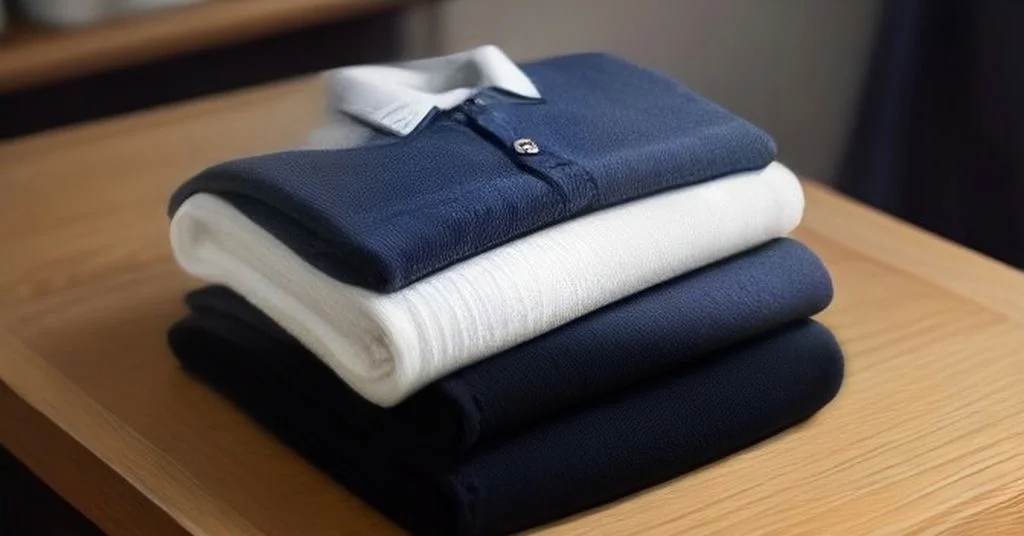
About Top Fortune and a front-of-house polo quote
Shanghai Top Fortune Industry Co., Ltd. has built OEM and ODM staff-apparel programs since about 2002 from a 1,506 m² facility in Songjiang. Sampling, knitting-related sourcing, sewing, and embroidery sit in one place, which helps a multi-outlet polo hold one collar build and one shade lot. More background is on the About Us page.
Request a restaurant front-of-house polo quote: rill@topfortunemail.com | WhatsApp +86 13524210501
Send the briefing table, logo files, laundry notes, size curves, quantities by outlet, and the date shirts must arrive. The sample that matters is the one that has worked a service and gone through the wash — not only the one that looks clean on a hanger.