

Find Your Perfect Men’s Jacket with This Comprehensive Materials and Style Guide
Table of Contents
Display

Imagine you need a jacket for a chilly morning commute, a weekend hike, or a night out. You want something that fits your style, matches the weather, and feels comfortable. Choosing the right jacket herren means you must consider materials, styles, and fit. When you know what works best for your needs, you can make smarter decisions and feel confident every time you step outside.
Key Takeaways
Consider the climate when choosing a jacket. Different temperatures and weather conditions require specific insulation levels.
Think about the intended use of the jacket. Select styles that fit your activities, whether casual, formal, or outdoor.
Reflect your personal style in your jacket choice. Choose colors, fits, and details that make you feel confident and comfortable.
Use a decision tree to simplify your jacket selection process. Ask yourself about the weather, occasion, and features you need.
Explore various jacket types like bombers, blazers, and parkas. Each style serves different purposes and occasions.
Understand the materials used in jackets. Choose based on durability, comfort, and weather resistance to suit your needs.
Pay attention to fit and length. A well-fitting jacket enhances your appearance and comfort, while length affects style and practicality.
Stay updated on current trends. Personalization and sustainability are key factors influencing modern jacket styles.
Choosing Your Ideal Jacket
Selecting the perfect jacket starts with understanding your needs. You want a jacket that matches your environment, purpose, and personality. Before you decide, consider these three essential factors.
Climate and Weather
Weather plays a major role in choosing the right jacket. You need to think about temperature, humidity, and seasonal changes in your region. Climate change has shifted preferences from heavy winter coats to midweight outerwear that works across seasons. Retailers now offer lighter jackets and even swimwear year-round. Manufacturers work with climatologists to adjust production for changing patterns.
Tip: Always check the weather forecast before heading out. A versatile jacket can save you from unexpected rain or cold.
Here is a quick guide to help you match insulation to temperature:
Recommended Insulation Level | Example Jacket Types | |
|---|---|---|
20°–40° | High | Parka, Puffer Jacket |
−20° to −40° | High | Parka, Down Jacket |
5°–20° | Medium | Bomber, Field Jacket |
Above 20° | Low | Denim, Harrington Jacket |
Climate and weather conditions influence your choice. You may prefer a parka or puffer jacket for winter warmth. For mild climates, a bomber or denim jacket works well.
Intended Use
Think about where and how you plan to wear your jacket. Functionality and style matter for different occasions. You want a jacket that fits your activities, whether you need something for work, casual outings, or outdoor adventures.
For casual wear, choose denim, bomber, or tunic jackets.
For formal occasions, select blazers, overcoats, or peacoats.
For outdoor activities, opt for anoraks, field jackets, or windbreakers.
Men consider both function and design when selecting jackets. The demands of the weather and the formality of the event shape your decision. A diverse collection lets you dress appropriately for any occasion.
Checklist for Choosing the Right Jacket:
What is the climate in your area?
What activities will you do while wearing the jacket?
Do you need warmth, water resistance, or breathability?
Is the event formal, casual, or athletic?
Personal Style
Your jacket should reflect your personality and taste. Personal style influences whether you pick a formal, casual, business, or athletic look. Cultural events and traditions shape fashion choices. Social movements encourage more diverse and experimental men’s jacket styles. Technology brings smart clothing with added features.
Influence Type | Description |
|---|---|
Cultural Influences | Traditions and events impact men’s fashion choices. |
Social Movements | Gender fluidity and inclusivity lead to more diverse and creative styles. |
Technological Impact | Smart clothing with integrated tech expands functionality and options. |
You want a jacket that feels authentic and comfortable. Consider color, fit, and details that match your style. Choosing the right jacket means finding a balance between function and fashion.
Note: Try different men’s jacket styles to discover what suits you best. Your wardrobe should include options for every mood and occasion.
Decision Tree for Choosing the Right Jacket
Is it cold or wet outside?
Yes: Choose a parka, puffer, or waterproof jacket.
No: Go for a bomber, denim, or lightweight jacket.
Is the occasion formal?
Yes: Pick a blazer, peacoat, or overcoat.
No: Select a casual or sporty style.
Do you need extra features (e.g., tech, pockets, hood)?
Yes: Look for smart jackets or utility styles.
No: Focus on classic designs.
By considering climate, intended use, and personal style, you make smarter choices. Choosing the right jacket becomes simple and rewarding.
Types of Jackets for Men

Bomber Jacket
Features
You see the bomber jacket at the top of global sales charts. This style stands out among the types of jackets for men. The bomber jacket began as military aviation gear for pilots. Today, you find it in many materials, including leather and nylon. The bomber jacket features a modern silhouette with ribbed cuffs and waistbands. You notice the fit sits comfortably at your hips, and the sleeves end at your wrists. You can personalize your bomber jacket with patches or embroidery. This jacket offers versatility, making it a favorite for many occasions.
Characteristic | Description |
|---|---|
Origins | Designed for military aviation pilots. |
Materials | Commonly made from leather and nylon. |
Silhouette | Modern cut with ribbed cuffs and waistbands. |
Fit | Sits at hips, sleeves end at wrists. |
Customization | Personalize with patches and embroidery. |
Versatility | Suitable for various occasions. |
Best Use
You reach for a bomber jacket when you want a casual look with a touch of style. This jacket works well for daily wear, social events, or travel. You can layer it over a t-shirt or sweater. The bomber jacket suits mild to cool weather. You choose it for its comfort and adaptability. Many people prefer the bomber for its ability to blend with jeans, chinos, or joggers. You find the bomber jacket ideal for spring and fall, but you can wear it year-round with the right layers.
Leather Jacket
Features
You recognize the leather jacket as a timeless staple. Over the last decade, the leather jacket has never faded from fashion. You see it evolve with new styles and cultural influences. The leather jacket comes in many cuts, such as biker, racer, and classic. You notice the durability and unique texture of leather. This jacket often features zippers, snap buttons, and pockets. You find leather jackets in black, brown, and other colors. The leather jacket offers protection from wind and light rain. You appreciate the way leather molds to your body over time, creating a custom fit.
Best Use
You choose a leather jacket for its versatility and edge. This jacket works for casual outings, concerts, or nights out. You pair it with jeans, boots, or sneakers. The leather jacket suits cool weather and adds warmth when layered. You wear it to make a statement or add confidence to your look. Many people select leather jackets for their durability and style. You find the leather jacket suitable for both urban and outdoor settings.
Denim Jacket
Features
You spot the denim jacket as an iconic piece in pop culture. The denim jacket uses sturdy cotton fabric. You notice the classic button-front design and chest pockets. The denim jacket offers a relaxed fit and a casual vibe. You see it in blue, black, and faded washes. Denim jackets provide breathability and comfort. You find them easy to layer over shirts or hoodies. The main difference between denim jackets and trucker jackets lies in style and function. Denim refers to the fabric, while trucker describes a specific cut. Denim jackets do not repel wind or wetness as well as other styles.
Material: Denim is the fabric, trucker is the style.
Functionality: Denim jackets suit mild weather, trucker jackets offer better weather resistance.
Cultural Significance: Denim jackets gained fame through icons like James Dean.
Best Use
You wear a denim jacket for casual occasions, outdoor events, or travel. This jacket works best in mild climates. You pair it with t-shirts, flannels, or sweaters. The denim jacket adds a laid-back touch to your outfit. You avoid wearing it in heavy rain or cold weather. Many people choose denim jackets for their comfort and classic style. You find the denim jacket easy to match with most casual looks.
Field Jacket
Features
You notice the field jacket stands out for its practical design. This jacket originated from military use, so it includes multiple pockets for carrying essentials. You often see field jackets made from durable cotton or canvas. The jacket usually features a zip front with a snap storm flap. You find adjustable cuffs and a drawstring waist that help you customize the fit. Some field jackets include a hidden hood tucked inside the collar. You can wear a field jacket in olive green, khaki, or navy. The classic look combines utility and style.
Feature | Description |
|---|---|
Material | Cotton or canvas |
Pockets | Four or more, front and chest |
Closure | Zipper with snap storm flap |
Adjustability | Drawstring waist, adjustable cuffs |
Colors | Olive, khaki, navy |
Hood | Sometimes hidden in collar |
Best Use
You choose a field jacket for outdoor activities, travel, or casual wear. The jacket works well in spring and fall when you need moderate warmth. You benefit from the extra pockets if you carry gear or personal items. You can layer a field jacket over sweaters or shirts. This jacket suits hiking, camping, or city walks. You find it easy to match with jeans, boots, or sneakers. The field jacket gives you flexibility and comfort for unpredictable weather.
Parka
Features
You see the parka as a top choice for cold climates. This jacket features a long cut that covers your hips and thighs. You find parkas made with water-resistant outer shells and insulated linings. Many parkas include a hood with faux fur trim for extra warmth. You notice large front pockets and a zip or button closure. Some parkas have adjustable drawstrings at the waist and hem. The parka offers protection against wind, rain, and snow.
Water-resistant shell
Insulated lining
Hood with faux fur trim
Long length for added coverage
Multiple pockets
Best Use
You wear a parka during winter or in freezing temperatures. The insulation keeps you warm in snow or rain. You choose a parka for outdoor activities like hiking, commuting, or winter sports. The long length protects your legs from cold wind. You pair a parka with boots and thermal layers. This jacket works best when you need maximum warmth and weather resistance.
Blazer
Features
You recognize the blazer as a classic piece for formal and business settings. The blazer features a tailored fit with structured shoulders. You find blazers made from wool, cotton, or blends. The jacket includes lapels, buttons, and interior pockets. You can choose single-breasted or double-breasted styles. Blazers come in solid colors or subtle patterns. The design gives you a polished and professional look.
Feature | Description |
|---|---|
Fit | Tailored, structured |
Material | Wool, cotton, blends |
Lapels | Notched or peaked |
Buttons | Single or double-breasted |
Colors | Navy, black, gray |
Pockets | Interior and exterior |
Best Use
You select a blazer for business meetings, interviews, or formal events. The tailored fit helps you look sharp and confident. You can dress up a blazer with dress pants and a shirt. You also wear it with jeans for a smart-casual style. The blazer suits office environments, dinners, and special occasions. You find it easy to layer over shirts or sweaters. This jacket gives you versatility for both work and social settings.
Tip: Try different blazer styles to find the best fit for your body shape and occasion.
Peacoat
Features
You recognize the peacoat by its classic double-breasted design and broad lapels. This jacket usually uses thick wool for warmth and durability. You see large buttons, often made from metal or plastic, arranged in two rows. The peacoat sits at hip length, giving you a tailored look without restricting movement. You find vertical or slanted pockets that keep your hands warm. Navy blue remains the most popular color, but you can also choose black, gray, or camel.
Feature | Description |
|---|---|
Material | Heavy wool |
Closure | Double-breasted, large buttons |
Length | Hip-length |
Lapels | Wide, notched |
Pockets | Vertical or slanted |
Colors | Navy, black, gray, camel |
Tip: You can wear a peacoat over a suit or sweater for extra warmth and style.
Best Use
You reach for a peacoat when you need a jacket for cold weather and formal occasions. This style works well for business meetings, evening events, or winter outings. You pair it with dress pants, jeans, or chinos. The peacoat gives you a polished look while keeping you warm. You find it ideal for city commutes and outdoor gatherings. Many people choose a peacoat for its timeless appeal and versatility.
Harrington Jacket
Features
You spot the Harrington jacket by its lightweight construction and simple silhouette. Manufacturers often use cotton, polyester, or blends for this style. You notice a zip front, ribbed cuffs, and a stand-up collar with button closure. The Harrington jacket usually has slanted side pockets and a tartan or checked lining. You see this jacket in neutral shades like beige, navy, or black.
Lightweight material
Zip front
Ribbed cuffs and hem
Stand-up collar with buttons
Slanted pockets
Patterned lining
Note: You can style a Harrington jacket with casual or smart-casual outfits.
Best Use
You choose a Harrington jacket for mild weather and everyday wear. This jacket suits spring and fall, when you need light protection from wind or drizzle. You wear it for walks, errands, or social events. The Harrington jacket pairs well with jeans, chinos, or polo shirts. You find it easy to layer over t-shirts or sweaters. Many people prefer this style for its comfort and classic look.
Trucker Jacket
Features
You identify the trucker jacket by its structured fit and rugged design. This jacket uses sturdy denim or canvas, making it durable for daily use. You see a button-front closure, pointed collar, and two chest pockets with flaps. The trucker jacket often includes side pockets and adjustable waist tabs. You find it in blue, black, or faded washes.
Feature | Description |
|---|---|
Material | Denim or canvas |
Closure | Button-front |
Collar | Pointed |
Pockets | Chest with flaps, side pockets |
Waist | Adjustable tabs |
Colors | Blue, black, faded |
Alert: You should avoid wearing a trucker jacket in heavy rain, as denim absorbs moisture.
Best Use
You wear a trucker jacket for casual outings, road trips, or outdoor activities. This style works best in mild to cool weather. You pair it with t-shirts, hoodies, or flannel shirts. The trucker jacket adds a rugged touch to your look and suits jeans or work boots. Many people select this jacket for its durability and iconic style. You find it perfect for layering and everyday adventures.
Anorak
Features
You see the anorak as a practical choice for unpredictable weather. This jacket features a pullover design with a half-zip or quarter-zip front. You notice a large front pocket, often called a kangaroo pocket, which gives you space for essentials. The anorak uses lightweight, water-resistant materials like nylon or polyester. You find adjustable hoods and drawstrings at the waist or hem. Many men appreciate the elastic cuffs that help keep out wind and rain.
Feature | Description |
|---|---|
Design | Pullover, half or quarter zip |
Material | Nylon, polyester |
Large front kangaroo pocket | |
Hood | Adjustable, often with drawstring |
Cuffs | Elastic for wind protection |
Tip: You can pack an anorak easily in your backpack. This makes it a favorite for travel and outdoor activities.
Best Use
You choose an anorak when you need a lightweight layer for hiking, camping, or city walks. This jacket suits men who want protection from light rain and wind without heavy insulation. You wear it during spring or fall, when the weather changes quickly. The anorak works well for outdoor sports, festivals, or cycling. You pair it with jeans, joggers, or shorts. Many men prefer the anorak for its easy storage and versatility.
Puffer Jacket
Features
You recognize the puffer jacket by its quilted design and insulated filling. This jacket uses down or synthetic fibers to trap heat. You see horizontal or diamond-shaped stitching that keeps the insulation evenly distributed. The puffer jacket often includes a high collar and zippered front. You find side pockets and sometimes an attached hood. Men value the lightweight feel and warmth of this style.
Quilted construction
Down or synthetic insulation
High collar for extra warmth
Zippered front closure
Side pockets
Optional hood
Alert: You should check the insulation type before buying. Down offers more warmth, but synthetic fills dry faster if wet.
Best Use
You wear a puffer jacket in cold weather, especially during winter. This style suits men who need warmth without bulk. You use it for commuting, outdoor sports, or travel in snowy climates. The puffer jacket works well for layering over sweaters or under heavier coats. You pair it with boots and thermal pants. Many men select puffer jackets for skiing, snowboarding, or daily errands in freezing temperatures.
Kimono Jacket
Features
You notice the kimono jacket stands out for its unique silhouette. This style draws inspiration from traditional Japanese clothing. The kimono jacket features wide sleeves and an open front. You find it made from cotton, linen, or lightweight blends. Men appreciate the relaxed fit and breathable fabric. Some kimono jackets include subtle patterns or embroidery for added style.
Feature | Description |
|---|---|
Sleeves | Wide, loose-fitting |
Front | Open, no buttons or zippers |
Material | Cotton, linen, blends |
Fit | Relaxed, comfortable |
Details | Patterns or embroidery optional |
Note: You can layer a kimono jacket over t-shirts or long sleeves. This adds a creative touch to your outfit.
Best Use
You choose a kimono jacket for casual outings, creative events, or warm weather. This style suits men who want a statement piece with comfort. You wear it for art shows, social gatherings, or relaxed weekends. The kimono jacket pairs well with jeans, chinos, or shorts. Many men enjoy experimenting with this style to express their personality and stand out from the crowd.
Hooded Jacket
Features
You find hooded jackets in almost every wardrobe. This style gives you extra protection from wind and rain. Manufacturers use materials like cotton, polyester, or nylon. You see adjustable drawstrings on the hood, which help you fit it snugly around your head. Many hooded jackets include zippered or buttoned fronts. You notice side pockets for your hands and small items. Some designs feature elastic cuffs and hems to keep out drafts.
Adjustable hood with drawstrings
Zipper or button closure
Side pockets for convenience
Elastic cuffs and hem for better fit
Lightweight or insulated options
Tip: You can choose a hooded jacket with water-resistant fabric for rainy days.
Best Use
You wear a hooded jacket when you need versatility. This style suits outdoor activities, school, or casual outings. You grab it for jogging, hiking, or running errands. The hood protects you from sudden weather changes. You layer it over t-shirts or sweaters. Many people prefer hooded jackets for travel because they pack easily and adapt to different climates. You find them useful year-round, especially in spring and fall.
Biker Jacket
Features
You recognize the biker jacket by its bold look and sturdy build. Designers use thick leather or synthetic materials for durability. You see asymmetrical zippers, snap lapels, and metal hardware. The jacket often includes zippered pockets and cuffs. You notice a cropped length that sits at your waist. Some biker jackets have quilted panels for extra comfort and style.
Feature | Description |
|---|---|
Material | Leather or synthetic |
Zippers | Asymmetrical, metal |
Lapels | Snap-down |
Pockets | Zippered |
Length | Cropped at waist |
Details | Quilted panels, metal studs |
Alert: You should check the fit before buying. A biker jacket looks best when it fits close to your body.
Best Use
You wear a biker jacket to make a statement. This style works for concerts, nights out, or city adventures. You pair it with jeans and boots for a classic look. The sturdy material protects you from wind and light rain. You choose a biker jacket for its edgy vibe and timeless appeal. Many people use it to add confidence and personality to their outfits. You find it suitable for cool weather and urban settings.
Jacket Herren Trends
Features
You see jacket trends change every season. Brands introduce new colors, patterns, and materials. Personalization stands out as a major trend. You can add patches, embroidery, or custom prints to your jacket. Sustainability also shapes current designs. Many companies use recycled fabrics and eco-friendly production methods. Social media and celebrity endorsements influence younger buyers. Older shoppers focus on comfort and practical features.
Customization options (patches, embroidery)
Sustainable materials and production
Trendy colors and patterns
Influences from social media and celebrities
Focus on comfort and functionality for older age groups
Note: You can follow fashion influencers online to discover the latest jacket styles.
Best Use
You choose trendy jackets to express your personality. Younger people often select styles seen on social media or worn by celebrities. You might pick a personalized jacket for school or social events. If you value comfort, you look for jackets with soft linings and easy fits. Sustainable jackets suit those who care about the environment. Brands now target different age groups with specific designs and marketing. You find that trends help you discover new styles and update your wardrobe with fresh looks.
Men’s Jacket Materials
Leather
Pros & Cons
Leather stands out as a classic choice for men’s jackets. You get a material that feels luxurious and lasts for years. Real leather offers a unique texture and molds to your body over time. You enjoy wind resistance and moderate warmth. However, leather requires regular care. You need to clean and condition it to prevent cracking. Synthetic leather gives you a similar look but does not last as long.
Feature | Real Leather | Synthetic Materials |
|---|---|---|
Durability | Moderate; may need replacement | |
Maintenance | Requires regular care | Low maintenance; easy to clean |
You should choose leather if you want a jacket that ages well and adds style. You may avoid it if you prefer low-maintenance options.
Best Conditions
Leather jackets work best in cool, dry weather. You wear them for casual outings, nights out, or city adventures. You avoid leather in heavy rain or humid climates because moisture can damage the material. You find leather ideal for spring and fall, when you need moderate warmth and wind protection.
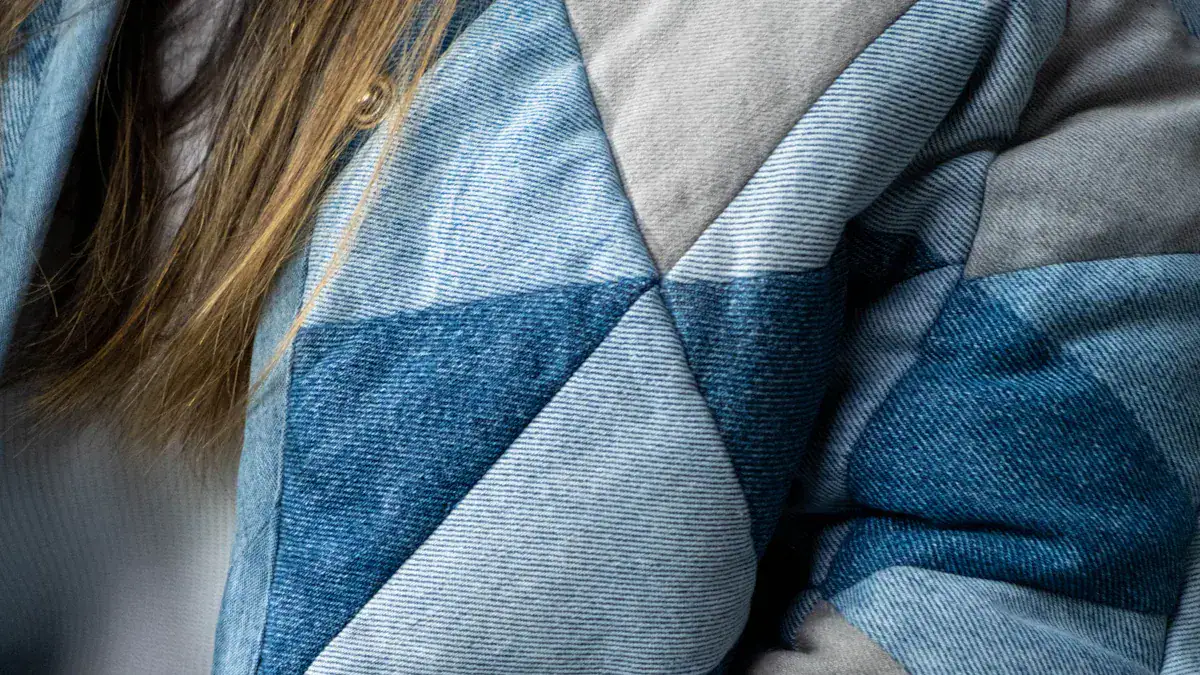
Denim
Pros & Cons
The denim jacket remains a staple in men’s fashion. You get a relaxed fit and a casual vibe. Denim feels breathable and comfortable. You can layer a denim jacket over shirts or hoodies. However, denim does not repel water or wind as well as other materials. You may notice fading and wear over time, which adds character but reduces durability.
You should know that producing a denim jacket has a significant environmental impact. Making one pair of jeans uses about 7,500 liters of water. The dyeing process releases toxic substances like lead, mercury, and cadmium, which pollute water sources. The fashion industry, including denim jacket production, contributes to 10% of global carbon emissions. Toxic chemicals such as chromium, copper, and nickel affect human health and the environment. Growing cotton for a denim jacket requires 1,500 gallons of water. The shift to synthetic indigo dye raises sustainability concerns.
Best Conditions
You wear a denim jacket in mild weather. It suits spring, summer, and early fall. You choose it for casual outings, travel, or outdoor events. You avoid wearing a denim jacket in heavy rain or cold winter. You find it easy to style with t-shirts, flannels, or sweaters. Many people use a denim jacket for layering and comfort. You may select a denim jacket for its classic look and versatility.
Cotton & Cotton Blends
Pros & Cons
Cotton and cotton blends give you a soft, breathable feel. You enjoy comfort and easy care. Cotton jackets absorb moisture, so you may not want them in wet conditions. Cotton blends improve durability and add stretch. Textile research highlights cotton canvas and cotton duck fabric as some of the most durable materials for men’s jackets. These fabrics resist abrasion and provide natural resilience. Synthetic blends enhance performance by resisting moisture and providing warmth without bulk.
Cotton canvas: Dense weave, high abrasion resistance
Cotton duck: Tight plain weave, robust fibers
Synthetic blends: Resist moisture, add warmth, allow movement
You should choose cotton or blends for comfort and versatility. You may avoid pure cotton in rainy weather.
Best Conditions
Cotton jackets work best in mild to warm climates. You wear them for casual outings, travel, or light outdoor activities. Cotton blends suit you if you need extra durability or flexibility. You find cotton canvas and duck jackets ideal for demanding conditions, such as hiking or workwear. You may layer cotton jackets in spring or fall. You avoid them in heavy rain or snow, but you enjoy their breathability and comfort.
Wool
Pros & Cons
Wool jackets give you excellent warmth and comfort. You benefit from wool’s natural ability to trap heat, which keeps you warm even if the fabric gets wet. The fibers in wool create tiny air pockets that act as insulation. This makes wool a top choice for winter wear. Wool also breathes well, so moisture can escape and you stay dry and comfortable. You will notice that wool resists odors and wrinkles, which helps you look sharp with less effort.
However, wool jackets can feel heavy compared to synthetic options. You may find that pure wool needs special care, such as dry cleaning or gentle washing. Some people experience itchiness with certain types of wool, though many modern jackets use softer blends to avoid this problem. Wool can also be more expensive than cotton or polyester.
Tip: Choose a wool blend if you want less itchiness and easier care.
Best Conditions
You should wear wool jackets in cold or damp weather. Wool keeps you warm during winter commutes, outdoor events, or formal occasions. You can rely on wool to provide insulation even if you get caught in the rain or snow. Wool blazers and peacoats work well for business or dressy settings. You may want to avoid wool in hot or humid climates, as it can feel too warm.
Nylon & Polyester
Pros & Cons
Nylon and polyester jackets offer you lightweight protection and easy care. Both materials resist water, especially when treated with a durable water repellent (DWR) finish. You will find these jackets dry quickly and pack down small, making them ideal for travel or outdoor sports. Nylon feels smooth and flexible, while polyester often provides more structure and durability.
On the downside, both fabrics can lose their water resistance if the DWR wears off. Lightweight nylon may tear more easily than heavier polyester. Neither material insulates as well as wool or down, so you may need extra layers in cold weather. Some people notice that synthetic jackets can trap odors after heavy use.
Feature | Nylon | Polyester |
|---|---|---|
Water Resistance | Good with DWR | |
Durability | Less if lightweight | Often more robust |
Wetting Out | Possible without DWR | Possible without DWR |
Tear Resistance | Higher with thicker fabric | Higher with thicker fabric |
Treatment | Needs DWR for best results | Needs DWR for best results |
Best Conditions
You should pick nylon or polyester jackets for wet, windy, or unpredictable weather. These materials work well for raincoats, windbreakers, and lightweight parkas. You will appreciate them for hiking, running, or biking, especially when you need to stay dry. Nylon and polyester also suit travel, as they resist wrinkles and pack easily. For cold weather, layer them over sweaters or fleece.
Canvas & Waxed Canvas
Pros & Cons
Canvas and waxed canvas jackets give you rugged durability and classic style. You get a jacket that stands up to rough use, making it perfect for outdoor work or adventure. Waxed canvas adds water and wind resistance, so you stay dry and warm in harsh conditions. The fabric breathes well, which helps prevent overheating during activity. You will also find canvas jackets easy to clean and maintain.
Economical price point
Highly resistant to water and wind (especially when waxed)
Strong, sustainable, and long-lasting
Easy to clean
Stylish with leather or metal accessories
However, canvas can feel stiff at first, though it softens with wear. Waxed canvas may need re-waxing over time to maintain its water resistance. These jackets are heavier than nylon or polyester, so you may not want them for high-intensity sports.
Best Conditions
You should wear canvas or waxed canvas jackets for outdoor activities like hiking, camping, or working outside. These jackets protect you from rain, wind, and rough terrain. Waxed canvas works especially well in wet or muddy environments. You can also choose canvas for casual city wear if you want a rugged, timeless look. Avoid canvas in hot weather, as it can feel heavy and warm.
Down & Insulated
Pros & Cons
When you look for maximum warmth in a men’s jacket, down and insulated options stand out. Down insulation uses the soft feathers from ducks or geese. Synthetic insulation relies on man-made fibers designed to trap heat. Both types help you stay warm in cold weather, but each has unique strengths and weaknesses.
Down jackets feel incredibly light. You notice that they pack down small, which makes them easy to carry. The air pockets in down trap heat efficiently, so you get superior warmth without bulk. However, down loses its insulating power when wet. You need to keep it dry to maintain comfort. Down jackets may also cost more than synthetic options.
Synthetic insulation offers excellent warmth, often matching down in cold conditions. You find these jackets heavier than down, but they keep you warm even if they get wet. Synthetic fibers dry quickly and resist moisture. You also see that synthetic jackets tend to last longer and maintain their loft after repeated use. Many brands use recycled materials, which supports sustainability.
Here is a quick comparison to help you decide:
Feature | Down Insulation | Synthetic Insulation |
|---|---|---|
Warmth | Superior warmth due to air pockets | Excellent warmth, comparable to down |
Weight | Incredibly lightweight | Usually heavier than down |
Moisture Resistance | Loses insulation when wet | Retains insulation when wet, dries quickly |
Compressibility | Highly compressible for packing | Less compressible than down |
Durability | Less durable, may lose loft over time | More durable, maintains loft better |
Tip: If you expect wet conditions, choose synthetic insulation. For dry, cold climates, down gives you the best warmth-to-weight ratio.
Best Conditions
You should wear down jackets in dry, freezing weather. These jackets work best for winter sports, mountain hikes, or city commutes during snow. Down insulation keeps you warm without weighing you down. You can pack a down jacket into a small bag, which makes it ideal for travel.
Synthetic insulated jackets suit you if you face rain, sleet, or damp environments. You get reliable warmth even when the jacket gets wet. Synthetic options work well for outdoor activities like hiking, camping, or cycling. You also benefit from their durability if you use your jacket often.
You need to consider your climate and activity level. Down excels in dry, cold places. Synthetic insulation performs better in wet or unpredictable weather. Both types help you stay comfortable and protected, so you can enjoy your time outdoors without worrying about the cold.
Fit, Length, and Color
Fit Guide
You want your jacket to flatter your body shape and feel comfortable. The right fit helps you look sharp and move easily. Start by considering your body type. Each shape benefits from specific jacket styles and details. Use the table below to find recommendations that suit you best:
Body Type | Recommendations |
|---|---|
Triangle | Tailored patterned blazers, vertical stripes, structured shoulders, single-breasted suits, brighter color panels. |
Inverted Triangle | Close-fitting clothes, horizontal stripes, slim-fit shirts, regular V-neck T-shirts, straight-leg trousers, slim-fit jackets. |
Rectangle | Horizontal stripes, structured tailoring, layered looks, prints and color pops, avoid double-breasted jackets and baggy clothing. |
You should try on different styles to see what feels right. Stand in front of a mirror and check the shoulder seams. They should sit at the edge of your shoulders. The sleeves must end at your wrist bone. The jacket should close easily without pulling across your chest. If you feel restricted, size up or try a different cut.
Tip: Move your arms and sit down while wearing the jacket. Comfort matters as much as appearance.
Jacket Lengths
Jacket length changes how you look and how practical your jacket feels. Cropped jackets give you a modern and youthful style. You see these in bomber, denim, and biker jackets. They work well for casual and semi-formal occasions. Cropped jackets pair best with high-waisted pants, which help balance your silhouette.
Long jackets, such as parkas and overcoats, offer more warmth and a sophisticated look. You choose these for cold weather or formal events. Long jackets cover more of your body and often include extra pockets for storage. You get better protection from wind and rain with a longer cut.
You should match jacket length to your needs. For daily wear, cropped styles keep you comfortable and stylish. For winter or business, long jackets provide coverage and elegance.
Colors & Patterns
Color and pattern set the mood for your outfit. You can choose from many options to express your personality or follow current trends. Popular colors this season include pastels like soft yellow, pistachio green, and burgundy. Earth tones also remain a favorite for their versatility.
Pastels (soft yellow, pistachio green, burgundy)
Earth tones (tan, olive, brown)
Patterns add interest and depth to your look. Classic designs such as checks, gingham, and Prince of Wales check are in style now. You can wear a patterned jacket to stand out or keep it simple with solid colors for a timeless effect.
Note: Try mixing colors and patterns with your existing wardrobe. You might discover new combinations that suit your style.
You make a strong impression when you choose the right fit, length, and color. These details help you create a jacket collection that works for every occasion.
Matching Jackets to Occasions
Business & Formal
You want to look polished and professional in business and formal settings. The right jacket helps you make a strong impression at work, meetings, or special events. Choose jackets that offer structure and classic style. Wool and tailored coats work best for these occasions.
Topcoats give you a refined look and pair well with suits. You wear them to the office or formal gatherings.
Overcoats remain timeless and sleek. Navy, charcoal, or black colors suit most business environments.
Single-breasted wool overcoats provide a safe and professional choice. You can rely on them for a clean silhouette.
Double-breasted versions add depth and presence. Classic tailoring enhances your confidence.
Tip: Match your jacket with dress pants and polished shoes for a complete business outfit. Stick to neutral colors for versatility.
Casual & Everyday
You need comfort and flexibility for daily wear. Casual jackets let you move freely and express your style. These jackets work for errands, social outings, or relaxed weekends. You find many options that match different outfits and moods.
Casual jackets focus on comfort and mobility. You wear them every day without feeling restricted.
Styles like denim jackets offer versatility. You choose from various washes to show your personality.
Frayed, ripped, or distressed details make your jacket look more relaxed and casual.
A well-fitting jean jacket allows for easy layering. You stay comfortable in changing weather.
Note: Pair your casual jacket with t-shirts, hoodies, or sneakers. Mix and match colors and textures to create new looks.
Outdoor & Sporty
You face changing weather and need reliable protection for outdoor and sporty activities. Performance jackets help you stay dry, warm, and comfortable. Experts recommend specific styles for hiking, running, and extreme conditions.
Type | Key Features | |
|---|---|---|
Outdoor Research Aspire 3L | Rain Jacket | Water resistance, breathability |
Columbia Hikebound II | Rain Jacket | Affordable, essential hiking features |
Asics Fujitrail Packable | Running Jacket | Packable, designed for travel and running |
Brooks Canopy | Running Jacket | Ultra-breathable, high performance |
Outdoor Research Helium Down Hoodie | Down Jacket | Excellent weather resistance, suitable for rain |
Rab Neutrino Pro | Down Jacket | High fill power, ideal for extreme cold |
Patagonia Storm Racer | Running Jacket | Built for rainy conditions, perfect for running |
Nnormal Trail Rain | Running Jacket | Premium protection, built for mountain weather |
You select rain jackets for hiking or wet conditions. Running jackets keep you cool and dry during exercise. Down jackets provide warmth for cold climates and mountain adventures.
Tip: Always check the weather and activity level before choosing your outdoor jacket. Look for features like breathability, water resistance, and packability.
Travel & Versatile
When you travel, you need a jacket that adapts to changing environments and unpredictable situations. You want a piece that keeps you comfortable on a plane, protects you from sudden rain, and looks sharp at dinner. Travel-friendly jackets stand out because they combine style, function, and convenience.
You should look for these essential features in a travel jacket:
Warmth and comfort for long journeys.
Practical design with functional details.
Lightweight construction for easy packing.
Stylish appearance that fits many occasions.
A travel jacket must help you move freely and stay organized. You benefit from multiple pockets that hold your passport, phone, and wallet. Many travel jackets use lightweight materials, so you can fold or compress them into a small bag. This makes packing easier and saves space for other essentials.
Consider how travel-friendly jackets compare to regular jackets. The table below highlights the differences:
Feature | Travel-Friendly Jackets | Regular Jackets |
|---|---|---|
Weight | Lightweight materials for easy carrying | Heavier materials |
Packability | Compress into small sizes for storage | Typically bulkier |
Pockets | Multiple functional pockets for convenience | Fewer pockets |
Comfort | Designed for ease of movement | May not prioritize mobility |
Style | Often stylish and versatile | Varies widely |
You notice that travel jackets use innovative fabrics. Many brands offer water-resistant or quick-drying options. These jackets keep you dry during unexpected showers and help you stay comfortable in humid climates. You can wear them in airports, on city tours, or during outdoor adventures.
Tip: Choose a jacket with zippered or hidden pockets. You keep your valuables safe and avoid losing small items.
Travel-friendly jackets suit many situations. You wear them for sightseeing, business trips, or weekend getaways. Their versatility means you can dress them up with a shirt or keep it casual with a t-shirt. You save time and effort when you pack one jacket that works for different activities.
Travel jackets are ideal for frequent flyers and backpackers.
You enjoy extra pockets for storing travel documents and snacks.
Their ability to compress makes them perfect for carry-on luggage.
You move easily through airports and busy streets thanks to their agile design.
You make smarter choices when you select a jacket that matches your travel needs. Look for lightweight, packable, and stylish options. You stay comfortable and prepared, no matter where your journey takes you.
You can build a versatile wardrobe by following these steps:
Start with the occasion and select a blazer or other style that fits your needs.
Choose the right style, such as a blazer for business or a field jacket for casual days.
Check the fit, making sure your blazer sits well on your shoulders and sleeves.
Prioritize quality fabrics for comfort and durability.
Select neutral colors to maximize your wardrobe options.
Understanding materials and fit helps you create a wardrobe essential that works for every event. You gain confidence when you master fit and embrace tailoring. Review your wardrobe and try a new blazer style to refresh your look.
FAQ
What jacket material works best for rainy weather?
You should choose nylon or polyester for rainy days. These materials resist water and dry quickly. Look for jackets with a durable water-repellent (DWR) finish. You stay dry and comfortable during wet conditions.
How do I know if a jacket fits me properly?
Check the shoulder seams. They should sit at the edge of your shoulders. The sleeves must end at your wrist bone. You should close the jacket easily without pulling across your chest.
Can I wear a denim jacket in winter?
You can wear a denim jacket in winter if you layer it over sweaters or hoodies. Denim does not provide much insulation. You should add extra layers for warmth or choose a heavier jacket for cold days.
What is the difference between a blazer and a sport coat?
A blazer gives you a more formal look with structured tailoring. A sport coat offers a relaxed fit and often uses textured fabrics. You wear blazers for business or formal events. Sport coats suit casual or smart-casual occasions.
How do I clean a leather jacket?
You should wipe your leather jacket with a damp cloth. Use a leather conditioner to keep it soft. Avoid machine washing. Store your jacket in a cool, dry place to prevent cracking.
Which jacket style is most versatile for travel?
You should pick a lightweight, packable jacket with multiple pockets. Travel-friendly jackets use water-resistant materials and offer comfort. You can wear them in airports, on city tours, or during outdoor adventures.
Are wool jackets itchy?
You may find some wool jackets itchy. Many brands use softer blends to reduce discomfort. You should try on different styles or choose a wool blend for less itchiness and easier care.
How do I choose the right color for my jacket?
You should select neutral colors like navy, black, or gray for versatility. Earth tones and pastels add personality. Match your jacket color with your wardrobe and skin tone for the best look.