

How to make puffer jacket less puffy
Table of Contents
Display
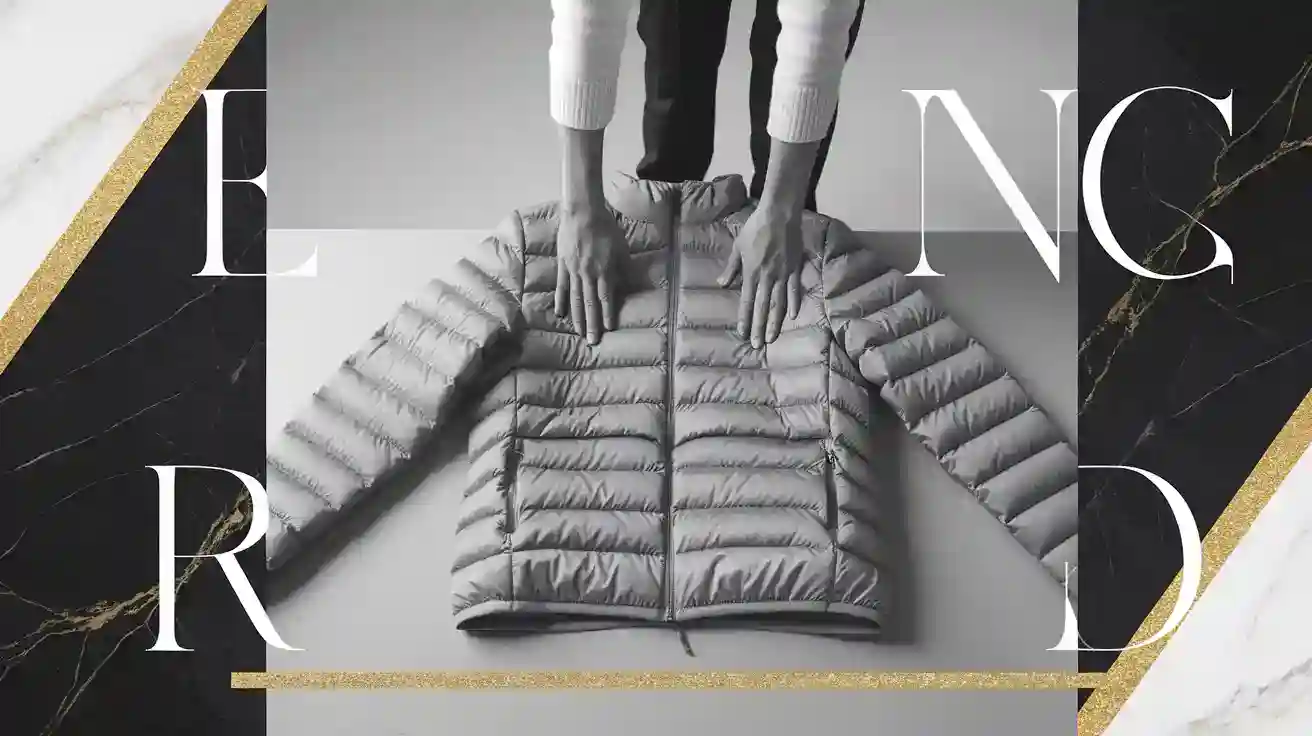
If you’re looking to make your puffer jacket less puffy, you might wonder if it’s really possible. The short answer is yes, but there are some trade-offs to consider. When you make puffer jacket less puffy by reducing insulation or choosing more breathable fabrics, you’ll likely notice a drop in warmth, especially in cold or windy conditions. Opting for thinner or stretchier insulation to make puffer jacket less puffy can also mean your jacket wears out faster or loses its shape over time. In some cases, jackets may even become heavier or less windproof when you try to make puffer jacket less puffy. As you experiment with different methods, be sure to balance comfort, warmth, and durability.
Key Takeaways
Wearing your puffer jacket often helps the insulation settle and makes it look less puffy over time.
Use layering tricks like belted coats or scarves to create a slimmer look without changing the jacket itself.
Wash your jacket gently with cold water and mild detergent, and dry it on low heat with dryer balls to keep its shape and warmth.
Store your jacket clean and dry in a breathable bag, folded gently to keep its loft and avoid damage.
Avoid high heat, overwashing, and long-term compression to protect your jacket’s insulation and keep it warm.
Quick Fixes
Wear and Move
Sometimes, the fastest way to make puffer jacket less puffy is to simply wear it more often. When you put on your jacket and move around—maybe take a brisk walk or run errands—the insulation starts to settle and mold to your body shape. This helps the jacket look less inflated and more natural. You don’t need to do anything extreme. Just wear your jacket during moderate activity, and you’ll notice it begins to relax and lose some of that initial bulk. Over time, the jacket will fit you better and appear less puffy.
Layering Tricks
You can also use a few clever layering tricks to minimize the look of bulk. Fashion experts suggest several ways to create a slimmer silhouette:
Choose puffer vests with a quilted design made from thinner, streamlined materials.
Pick packable down coats or jackets with higher fill power for warmth without extra bulk.
Try print puffer coats or those with diagonal section designs to break up the bulk visually.
Use belted coats to define your waist and slim your shape.
Layer with scarves to add vertical lines and draw the eye up and down.
Pin scarves with a safety pin or brooch to keep them in place and maintain that vertical effect.
These tricks help you look more put-together and can make your puffer jacket seem less puffy, even if the insulation stays the same.
Unzipped Look
You might think leaving your puffer jacket unzipped will help reduce bulk, but that’s not always true. According to style guides and user experiences, wearing a puffer vest or jacket unzipped can actually make it look even puffier and less flattering. When zipped up, the jacket holds its shape closer to your body, which helps control the silhouette. If you want to make puffer jacket less puffy, try zipping it up and using the other tricks above for a sleeker look.
Washing & Drying

Washing and drying your puffer jacket can help you control its puffiness. If you want to make puffer jacket less puffy, you need to treat it with care. The right washing and drying methods can flatten the insulation just enough, but you must avoid damaging the jacket or losing too much warmth.
Gentle Wash
You might think tossing your puffer jacket in the washer is simple, but the wrong settings can ruin it. Always use a front-loading washing machine if you can. Top loaders with agitators can be rough on the fabric and insulation. Choose a gentle cycle with cold or lukewarm water. This helps protect the delicate filling inside. Use a mild, down-specific detergent and skip the fabric softener. Too much soap or harsh chemicals can cause the down or synthetic fill to clump together, which leads to cold spots and a flat, lifeless look.
Tip: Run an extra rinse cycle to make sure you remove all the detergent. Leftover soap can coat the insulation and reduce its ability to trap air.
Here’s a quick checklist for washing:
Use a gentle cycle with cold or lukewarm water.
Pick a mild, down-safe detergent.
Avoid fabric softeners.
Run an extra rinse.
Remove the jacket carefully to avoid stretching.
Gentle washing keeps the insulation from clumping or flattening too much. It also helps maintain the jacket’s structure, so you can make puffer jacket less puffy without ruining its warmth.
Dryer Balls Method
Drying is just as important as washing. If you want to make puffer jacket less puffy, use a low heat tumble dry setting. Toss in a few clean tennis balls or wool dryer balls. These help break up any clumps in the insulation and fluff the jacket evenly. The balls bounce around and separate the filling, so your jacket dries faster and regains its shape.
Dryer balls help fluff the insulation and prevent clumping.
They work for both down and synthetic jackets.
Add a clean towel to the dryer for even better results.
Set your dryer to low heat and check the jacket every 20 minutes. Give it a gentle shake to help the loft recover. This method restores the jacket’s shape and warmth, but it also lets you control how puffy it gets. If you want a flatter look, you can stop drying a little earlier, but don’t leave the jacket damp.
Note: Never use high heat. High temperatures can melt synthetic fibers or damage the down, making the jacket lumpy and less effective at keeping you warm.
Air Drying
Air drying is an option, but it takes patience. Lay your jacket flat on a clean towel in a well-ventilated area. Fluff it by hand every hour or so to prevent the insulation from clumping. Air drying can take five to six hours or more. It’s gentler on the fabric, but it doesn’t fluff the insulation as well as a dryer with balls. If you want to make puffer jacket less puffy, air drying might help flatten it a bit, but you risk losing too much loft and warmth.
Machine drying with dryer balls is usually better for restoring or controlling puffiness. Air drying works if you don’t have a dryer, but you need to be extra careful to avoid a flat, cold jacket.
Steaming
Steaming can help smooth out wrinkles and relax the outer fabric. Hang your jacket and use a handheld steamer, keeping it a few inches away from the surface. Move the steamer slowly over the jacket. This won’t change the insulation much, but it can help the jacket look less bulky and more streamlined. Don’t overdo it—too much steam or heat can damage the fabric or filling.
Caution: Never use an iron directly on your puffer jacket. High heat can melt the fabric or ruin the insulation.
Environmental Tips
Washing your jacket less often helps it last longer and reduces waste. Spot clean when you can. Use cold water and wool dryer balls to save energy and avoid chemicals. These small steps help you care for your jacket and the planet at the same time.
Make Puffer Jacket Less Puffy: Storage Methods
When you want to make puffer jacket less puffy, how you store it can make a big difference. Some storage methods can flatten your jacket and save space, but you need to know the trade-offs. Let’s look at two popular ways to store your puffer jacket and see what works best for you.
Vacuum Sealing
Vacuum sealing is a favorite for anyone short on closet space. You put your puffer jacket in a special bag, suck out the air, and watch it shrink down. Consumer Reports and Real Simple editors tested vacuum storage bags and found that this method can reduce the bulk of puffer jackets by 70-80%. That’s a huge space saver, especially if you have several jackets or limited storage.
Taili Hanging Vacuum Storage Bags can shrink heavy winter jackets by about 80%. These work well if you want to hang your jacket in a closet.
Vacwel Vacuum Storage Bags XXL compress puffy jackets by around 70%. They’re strong and keep the air out for a long time.
Both types are easy to use, but you might need a little muscle to seal the Vacwel bags.
Tip: Always check for air leaks after sealing. A good seal keeps your jacket flat and saves space.
But vacuum sealing isn’t perfect. Textile experts warn that squeezing your jacket for too long can hurt the insulation. When you vacuum seal, you press the down or synthetic fill flat. This makes the jacket lose its loft and warmth. If you leave it sealed for months, the insulation might not bounce back right away. Sometimes, it takes as long to recover as it spent in storage. Down jackets and other fluffy items need air to keep their shape and warmth.
Here’s a quick look at the pros and cons:
Pros | Cons |
|---|---|
Saves lots of space | Can flatten insulation and reduce warmth |
Protects from moisture, pests | Long-term sealing may cause permanent loss of loft |
Easy to stack or hang | |
Good for short-term storage | Needs regular airing out (every 6 months recommended) |
If you want to use vacuum sealing, try it for short periods. Open the bag and fluff your jacket every few months. This helps keep the insulation healthy and your jacket ready for next winter.
Proper Storage
If you want to keep your jacket in top shape, proper storage is key. You don’t need fancy gadgets—just a little care and the right spot.
Always store your puffer jacket clean and completely dry. This stops mold and mildew from growing.
Avoid compressing the jacket tightly. Let it keep its natural loft so it stays warm and fluffy.
Use a breathable fabric bag or a cotton pillowcase. These let air flow and prevent moisture buildup.
Fold your jacket gently. Don’t squash it or put heavy things on top.
Store it in a cool, dry place. Heat and sunlight can damage the fabric and insulation.
For short-term storage, you can hang your jacket on a wide, padded hanger. This helps keep its shape.
For long-term storage, fold the jacket with tissue paper between the folds and place it in a breathable bag. This keeps the insulation even and prevents clumping.
Add cedar blocks or lavender sachets to keep moths away and your jacket smelling fresh.
Note: Don’t use airtight plastic bags unless you’re vacuum sealing for a short time. Jackets need to breathe to stay in good condition.
Proper storage helps you keep your jacket warm, fluffy, and ready to wear. You won’t lose insulation or shape, and you’ll avoid the risks that come with over-compression. If you want to make puffer jacket less puffy without losing warmth, gentle folding and breathable storage work best for most people.
What to Avoid
High Heat
You might think blasting your puffer jacket with high heat will help flatten it out. Actually, high heat is one of the worst things you can do. Dryers set to high can melt synthetic fibers or ruin the down fill. This leads to clumping, uneven insulation, and sometimes a jacket that feels stiff or lumpy. Always use low heat or delicate settings when drying. Toss in dryer balls to help restore loft. If you skip this step, your jacket may lose its puffiness in all the wrong ways.
Tip: Remove your jacket from the washing machine right away. Letting it sit wet can cause mildew and clumping.
Overwashing
Washing your jacket too often can damage the fill and make puffer jacket less puffy, but not in a good way. Overwashing strips natural oils from down feathers and breaks down synthetic insulation. You’ll notice the jacket gets flatter, colder, and less comfortable. Stick to spot cleaning when possible. Use gentle cycles and cold water if you must wash the whole jacket. Avoid regular or harsh detergents. Down-specific detergents protect the fill and keep your jacket fluffy.
Here’s a quick list of what not to do:
Don’t use fabric softeners. They coat the insulation and reduce warmth.
Avoid careless machine washing. Always choose gentle cycles.
Never air dry in humid places. This can cause mildew and clumping.
Damaging Methods
Some DIY tricks sound clever but actually ruin your jacket. Using hot water, harsh detergents, or fabric softeners can damage insulation fibers. Improper drying methods, like skipping dryer balls or drying inside a mesh bag, cause clumping and uneven fill. Long-term compression, such as vacuum-packing for months, crushes the insulation and may permanently flatten your jacket. If you store your jacket, make sure it’s clean, dry, and not squashed.
Here’s a table of damaging methods and their risks:
Method | Risk |
|---|---|
Hot water | Damages insulation fibers |
Harsh detergents | Degrades fill and fabric |
Fabric softener | Reduces heat-trapping ability |
Long-term compression | Permanent loss of loft |
Skipping repairs | Further damage and cold spots |
If you want to make puffer jacket less puffy, avoid shortcuts that damage the fill or fabric. Gentle care keeps your jacket looking good and feeling warm.
You have plenty of safe, effective ways to care for your jacket. Experts suggest washing gently in cold water, using a mesh bag, and drying with tennis balls on low heat. These steps help keep your jacket looking great and feeling warm. DIY tricks like shaking, spot cleaning, and careful storage cost little and work well for most people. If you want a quick fix, try a handheld steamer. For tough cases, professional cleaning may be worth it. Always choose what fits your needs and budget—avoid shortcuts that could damage your jacket.
FAQ
Can I permanently reduce the puffiness of my puffer jacket?
You can flatten your jacket a bit, but you can’t make it permanently slim without losing warmth. Most methods only give you a temporary fix. If you want to keep your jacket warm, avoid extreme flattening.
Will making my puffer jacket less puffy affect its warmth?
Yes, it will. When you flatten the insulation, you lose some of the air pockets that trap heat. Your jacket might feel lighter, but it won’t keep you as warm in cold weather.
Is it safe to iron a puffer jacket to make it less puffy?
Never use an iron on your puffer jacket. High heat can melt the fabric or damage the insulation. Use a handheld steamer if you want to smooth out wrinkles.
How often should I wash my puffer jacket?
You don’t need to wash your jacket often. Spot clean when you can. Wash it only once or twice a season, or when it’s really dirty. Overwashing can damage the fill.
What’s the best way to store my puffer jacket to keep it less puffy?
Fold your jacket gently.
Store it in a breathable bag.
Keep it in a cool, dry place.
A table for quick reference:
Storage Tip | Why It Helps |
|---|---|
Gentle folding | Prevents clumping |
Breathable bag | Stops moisture buildup |
Cool, dry location | Protects insulation |