

Workwear Vest Picks That Keep You Safe All Day
Table of Contents
Display
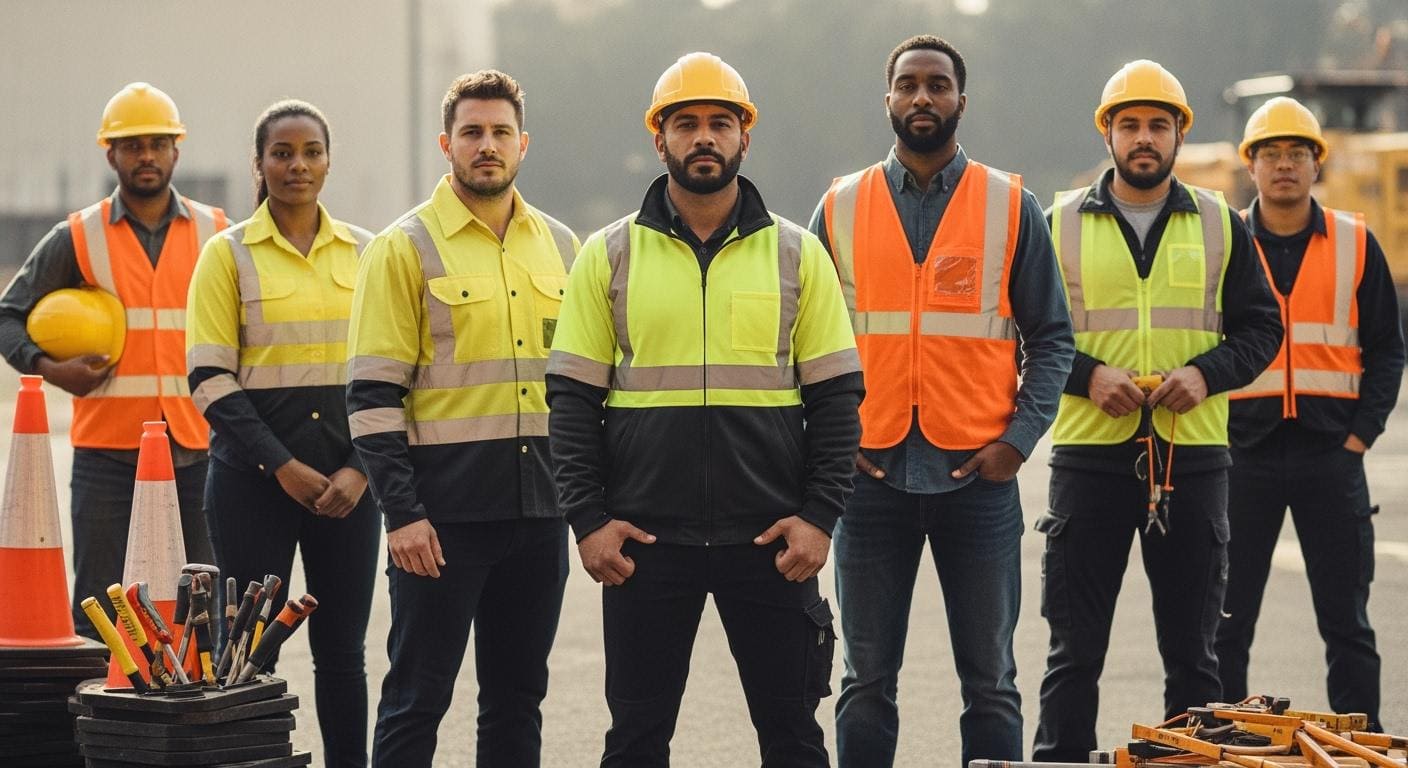
When you work on construction sites, choosing the right workwear vest can mean the difference between staying safe or risking injury. Many workers face dangers from moving equipment and vehicles, especially where visibility is poor. You need high visibility safety wear vests with reflective features to stay protected. Models like the KwikSafety Class 2 Deluxe, Helly Hansen Constructor Vest, and Truewerk reflective vest offer durability and comfort for all-day wear. With options ranging from budget-friendly to high-quality workwear, you can select a hi vis compliant vest that matches your needs. High visibility jackets, high visibility hoodies, and reflective high visibility shirts also boost your safety and visibility, giving you reliable protection and peace of mind.
Key Takeaways
- Choose high-visibility vests with bright colors like yellow or orange to enhance safety on construction sites.
- Look for vests with reflective strips to improve visibility in low-light conditions and during night work.
- Select vests that meet ANSI/ISEA standards for safety, ensuring they provide adequate protection for your work environment.
- Opt for breathable fabrics to stay comfortable during long shifts, reducing sweat and heat buildup.
- Check for adjustable features like drawstrings or hook-and-loop closures to ensure a proper fit over different clothing.
- Consider vests with multiple pockets and tool loops for easy access to tools and personal items, enhancing efficiency.
- Inspect vests regularly for signs of wear, such as fading or tears, and replace them every six months for optimal safety.
- Invest in quality materials and construction to ensure durability, which saves money in the long run by reducing the need for replacements.
Essential Features Of A Workwear Vest
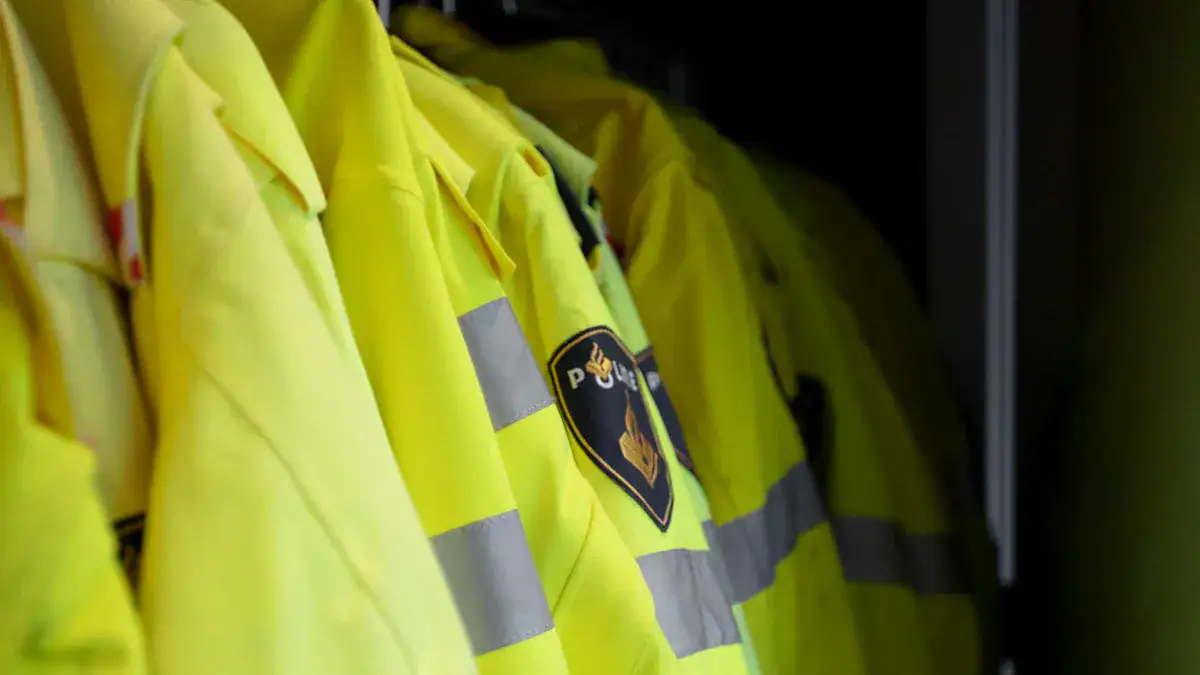
Safety And Visibility
Hi-Vis Materials
You need hi-vis materials to stay safe on busy construction sites. Hi-vis clothing uses bright fluorescent colors like yellow, orange, and green. These colors stand out against most backgrounds, making you easy to spot in low-light or high-traffic areas. When you wear workwear for construction with hi-vis materials, you reduce the risk of accidents. Many vests use lightweight polyester, which feels comfortable and helps you stay cool during long shifts.
Reflective Strips
Reflective strips play a key role in boosting your visibility. These strips reflect light from headlights and machinery, making you visible at night or in poor weather. You should look for vests with wide, well-placed reflective panels. This feature helps drivers and equipment operators see you from a distance. Reflective strips work best when combined with hi-vis colors, giving you maximum protection in all lighting conditions.
ANSI/ISEA Standards
Safety organizations like the American National Standards Institute (ANSI) set strict rules for workwear. These standards ensure that your vest meets the right level of visibility and durability for your job. The table below shows the three main ANSI classes for safety vests:
| Class | Background Material | Reflective Tape | Visibility Use Case |
|---|---|---|---|
| Class 1 | Minimum area | Minimum area | Low-risk areas |
| Class 2 | Larger area | More reflective | Moderate-risk areas |
| Class 3 | 1,240 sq in | 310 sq in | High-risk areas, low-light conditions |
You should choose a vest that matches your work environment. Class 2 and Class 3 vests offer more protection for moderate to high-risk sites.
Comfort And Fit
Breathable Fabrics
Breathable fabrics keep you comfortable during long hours. Polyester mesh lets air flow through the vest, reducing sweat and heat. You stay focused on your tasks when your workwear feels light and cool.
Cushioned Necklines
A cushioned neckline prevents irritation and chafing. You can wear your vest all day without discomfort. This feature adds a layer of comfort, especially when you move or bend often.
Adjustable Fit
An adjustable fit helps you customize your vest for your body type. Features like drawstring waists and hook-and-loop closures let you tighten or loosen the vest as needed. You can wear your vest over bulky clothing in cold weather or adjust it for a snug fit in summer. This flexibility improves both comfort and safety.
Tip: Always check for adjustable features before buying a vest. A good fit means better protection and less distraction.
Functionality
Multiple Pockets
Multiple pockets give you space to carry tools, pens, and personal items. You keep your essentials close and organized, saving time on the job.
Tool Loops
Tool loops add convenience. You can hang small tools or keys for quick access. This feature supports efficiency and keeps your hands free.
Lightweight Design
A lightweight design reduces fatigue. You move easily and stay comfortable, even during long shifts. Durable workwear should balance strength and weight, so you get both durability and comfort.
Durability
Reinforced Construction
You need a vest that stands up to tough conditions. Reinforced construction gives your workwear vest the strength to handle daily wear and tear. Manufacturers use heavy-duty fabrics and smart design choices to boost durability. You often see double-stitched seams and bar-tacked stress points. These features prevent rips and extend the life of your vest. Some vests include extra layers in high-stress areas, such as shoulders and pockets. You get more protection against snags and punctures.
Materials play a big role in durability. The table below shows common fabrics used in construction workwear vests and their properties:
| Material | Properties | Suitable Conditions |
|---|---|---|
| Cotton Duck | Heavyweight, abrasion-resistant, breathable, can be treated for water resistance | Various climates |
| Denim | Durable, good abrasion resistance, comfortable after washes | Moderate climates |
| Twill | Versatile, comfortable, good protection against wear and tear | Varies with weight and finish |
| Polyester and Blends | Strong, durable, resistant to shrinking/stretching, good color retention | High-visibility workwear |
| Canvas | Heavyweight, puncture-resistant, can be treated for water resistance | Various weather conditions |
| Ripstop | Lightweight, prevents small tears from spreading, available in water-resistant versions | High-stress areas |
You should look for vests made with ripstop or canvas if you work in environments with sharp objects or rough surfaces. Polyester blends offer durability and color retention, which is important for high-visibility workwear. Cotton duck and denim provide comfort and abrasion resistance, making them good choices for moderate climates.
Note: Reinforced construction not only improves durability but also helps you stay safe. Strong materials protect you from minor injuries and keep your vest looking new longer.
Quality Stitching
Quality stitching is another key factor in durability. You want seams that hold up under pressure. Double or triple stitching at critical points prevents unraveling. Bar-tacks add extra strength to pocket edges and tool loops. You should inspect the stitching before buying a vest. Loose threads or uneven seams can lead to early failure.
Many brands use advanced sewing techniques to ensure durability. You benefit from vests that maintain their shape and function after many washes. Strong stitching also keeps pockets secure, so you do not lose tools or personal items during work.
Here are features that signal quality stitching in a workwear vest:
- Double-stitched seams along shoulders and sides
- Bar-tacked stress points at pockets and loops
- Reinforced hems and armholes
- Even, tight stitches with no loose threads
You should choose a vest with these features if you want maximum durability. A well-made vest saves you money over time because you replace it less often. You stay protected and comfortable, even in demanding environments.
Top Construction Workwear Vest Picks
KwikSafety Class 2 Deluxe Safety Vest
Pros
You get reliable protection with the KwikSafety Class 2 Deluxe Safety Vest. This vest uses bright hi-vis colors and wide reflective strips to boost your visibility on busy job sites. The design meets ANSI/ISEA standards, so you know it offers the right level of safety for moderate-risk environments. Multiple pockets let you organize your tools and personal items. The lightweight polyester fabric helps you stay cool during long shifts. Reinforced stitching adds durability, making this vest a solid choice for tough conditions.
Cons
You may notice that the fit runs slightly large, which can feel bulky over lighter clothing. Some users report that the pockets are not deep enough for larger tools. The vest may show wear after repeated heavy use, especially in high-stress areas.
Best For
Choose the KwikSafety Class 2 Deluxe Safety Vest if you work in construction, roadwork, or any job that requires high visibility and tool organization. This vest suits workers who need durable workwear and reliable safety features for all-day use.
Helly Hansen Constructor Vest
Pros
You benefit from a lightweight design that does not weigh you down. The water-repellent material keeps you dry in wet conditions. The vest offers a comfortable fit, so you can move freely throughout your shift. You find it practical for various activities, from construction work to surveying. The vest includes well-placed pockets for easy access to your essentials.
- Lightweight design
- Water-repellent material
- Comfortable fit
- Practical for various activities
Cons
You may find that the vest lacks extra padding in high-stress areas. The pocket layout may not suit every tool or device you carry. Some users mention that the vest could use more reflective panels for better visibility in low-light conditions.
Best For
Select the Helly Hansen Constructor Vest if you need a versatile workwear vest for construction work, outdoor projects, or tasks that require movement and comfort. This vest works well for those who value water resistance and a practical fit.
Truewerk Reflective Vest
Pros
You get advanced reflective technology with the Truewerk Reflective Vest. The vest uses high-quality materials that stand up to daily wear and tear. The design focuses on both safety and comfort, with breathable fabrics and adjustable features. Multiple pockets help you keep your tools organized. The vest meets industry standards for visibility, making it a top choice for demanding job sites.
Cons
You may find the price higher than other options, which can affect your budget. The vest may feel snug over bulky winter clothing. Some users wish for more color choices beyond the standard hi-vis options.
Best For
Pick the Truewerk Reflective Vest if you want the best workwear for high-risk environments where visibility and durability matter most. This vest suits professionals who need construction workwear that combines safety, comfort, and quality for all-day protection.
Carhartt High-Visibility Vest
Pros
You get rugged durability with the Carhartt High-Visibility Vest. The vest uses heavy-duty polyester that resists tears and abrasions. You stay visible with bright fluorescent colors and wide reflective tape. The design meets ANSI/ISEA standards, so you know it provides reliable safety on construction sites. You find multiple pockets for tools and essentials, which helps you stay organized. The vest fits comfortably over jackets or sweatshirts, making it versatile for different weather conditions.
| Feature | Benefit |
|---|---|
| Heavy-duty polyester | Long-lasting, tear-resistant |
| ANSI/ISEA compliant | Meets safety regulations |
| Multiple pockets | Easy tool organization |
| Wide reflective tape | Enhanced visibility |
| Roomy fit | Layering over other clothing |
Cons
You may notice the vest feels heavier than other options. The bulk can slow you down if you need to move quickly. Some users report that the pockets are not deep enough for larger tools. The vest may feel warm in hot weather due to the thick material.
Tip: If you work in extreme heat, consider a lighter workwear vest for better comfort.
Best For
Choose the Carhartt High-Visibility Vest if you need a tough vest for heavy-duty construction, outdoor work, or jobs that demand maximum durability. This vest suits you if you value long-lasting workwear and need to layer over other clothing in cold weather.
Ergodyne GloWear Safety Vest
Pros
You benefit from advanced safety features with the Ergodyne GloWear Safety Vest. The vest complies with ANSI/ISEA standards, so you meet visibility requirements for high-risk environments. The breakaway design on the shoulders and sides detaches if caught on machinery, which reduces the risk of hang-ups. You stay visible in any lighting condition with the two-tone design that enhances the reflective tape. The vest works well for construction and roadwork, where safety and visibility matter most.
- ANSI/ISEA compliant for high-risk sites
- Breakaway shoulders and sides for added safety
- Two-tone design improves visibility
- Lightweight and breathable for comfort
- Multiple pockets for tools and personal items
Cons
You may find the vest less durable than heavier models. The breakaway feature can make the vest feel less secure in windy conditions. Some users wish for more reinforced stitching at stress points. The fit may run large, so you need to adjust for a snug feel.
Note: Always check the breakaway points before each shift to ensure your vest functions properly.
Best For
Pick the Ergodyne GloWear Safety Vest if you work in high-risk environments like roadwork or busy construction sites. This vest suits you if you need maximum visibility and want extra protection from machinery hazards.
Caterpillar Performance Work Vest
Pros
You get a blend of durability and functionality with the Caterpillar Performance Work Vest. The vest uses tough ripstop fabric that resists tears and punctures. You find reinforced stitching at stress points, which extends the vest’s lifespan. The design includes multiple pockets and tool loops, so you keep your gear organized. You stay comfortable with a breathable mesh back that helps regulate temperature. The vest offers a modern fit that moves with you, making it ideal for active tasks.
| Feature | Benefit |
|---|---|
| Ripstop fabric | Tear and puncture resistance |
| Reinforced stitching | Increased durability |
| Multiple pockets | Tool and gear organization |
| Mesh back | Improved breathability |
| Modern fit | Enhanced mobility |
Cons
You may notice the vest costs more than basic models. The fit can feel snug if you wear bulky clothing underneath. Some users report that the mesh back may snag on sharp objects. The vest does not include as much reflective tape as high-visibility models.
Tip: Use this vest for tasks that require mobility and organization, but pair it with a hi-vis jacket if you need extra visibility.
Best For
Choose the Caterpillar Performance Work Vest if you need a durable, functional vest for heavy-duty construction, electrical work, or tasks that require frequent movement. This workwear vest suits you if you value organization and comfort during long shifts.
Radians Surveyor Vest
Pros
You get a vest designed for tough job sites. The Radians Surveyor Vest uses heavy-duty construction, so you can rely on it for daily wear. You stay organized with multiple pockets that hold your tools, phone, and other essentials. High visibility reflective tape helps you stand out in busy environments. The breathable mesh back keeps you comfortable, even when you work long hours.
| Advantages | Disadvantages |
|---|---|
| Heavy-duty construction | Potential issues with zipper durability |
| Ample storage with multiple pockets | Vest can be warm in hot weather |
| High visibility due to reflective tape | |
| Comfort features like a breathable mesh back |
Cons
You may notice the zipper does not last as long as the rest of the vest. The vest can feel warm if you work outside in high temperatures. Some users report that the pockets fill up quickly, especially if you carry larger tools.
Tip: Check the zipper before each shift to avoid unexpected issues. If you work in hot climates, choose lighter layers underneath for better comfort.
Best For
You should choose the Radians Surveyor Vest if you need reliable storage and visibility on construction sites. This vest works well for surveyors, supervisors, and anyone who needs to carry multiple items while staying safe. You benefit most when you work in environments where durability and organization matter.
Milwaukee Utility Vest
Pros
You get unmatched organization with the Milwaukee Utility Vest. This vest features 27 pockets, including a rear tablet pocket, so you can carry everything you need. The tear-resistant woven 600D material stands up to rough conditions. You stay cool with moisture-wicking mesh on the back and sides. Anti-microbial properties help prevent odor and bacteria, keeping you fresh throughout your shift. The padded collar adds comfort, and the heavy-duty zipper closure ensures a secure fit.
| Feature | Milwaukee Utility Vest | Other Construction Vests |
|---|---|---|
| Number of Pockets | 27 | Fewer than 27 |
| Construction Material | Tear-resistant woven 600D | Varies |
| Visibility Rating | R Class 2-rated | Varies |
| Moisture Wicking | Yes (Mesh back and sides) | Not always available |
| Anti-Microbial | Yes | Not always available |
| Comfortable Padded Collar | Yes | Not always available |
| Heavy-duty Zipper Closure | Yes | Not always available |
- 27 pockets, including a rear tablet pocket
- Tear-resistant construction with woven 600D material
- Moisture-wicking mesh back and sides
- Anti-microbial properties
- Comfortable padded collar
- Heavy-duty zipper closure
Cons
You may find the vest heavier than basic models because of its sturdy build and extra pockets. The fit can feel snug if you wear thick clothing underneath. Some users report that the vest costs more than other options, which may affect your budget.
Note: If you need to carry many tools or devices, this vest gives you the best organization. For lighter tasks, you might prefer a simpler workwear vest.
Best For
You should pick the Milwaukee Utility Vest if you need maximum storage and durability. This vest suits electricians, supervisors, and anyone who carries a variety of tools and devices. You benefit most when you work in environments that demand organization, comfort, and high visibility.
Choosing The Right Workwear Vest
Assessing Job Site Needs
Indoor Vs. Outdoor
You need to consider your work environment before choosing a vest. Indoor job sites often have controlled lighting and temperature, so you may focus on comfort and basic visibility. Outdoor sites present more challenges. You face changing light, weather, and moving equipment. Outdoor vests should offer high-visibility colors and reflective strips to keep you safe in all conditions.
The table below helps you compare key factors for selecting a vest:
| Factor Type | Description |
|---|---|
| Environmental Factors | Match vest features to heat, cold, wind, rain, and snow. |
| Job-Specific Factors | Choose vests that enhance visibility and offer protection against hazards like fire or cuts. |
| People-Specific Factors | Select vests that fit well and feel comfortable to encourage regular use. |
Weather Conditions
Weather affects your safety and comfort. You need high-visibility features for fog, rain, or low-light conditions. Waterproofing protects you from rain and wet environments. Breathable fabrics keep you cool during hot weather. Some vests offer flame-resistance for hazardous areas. Safety vests must meet standards for visibility and protection, especially when weather changes quickly.
| Feature | Importance in Weather Conditions |
|---|---|
| High-visibility | Essential for safety in low-light or adverse weather |
| Waterproofing | Protects against rain and wet conditions |
| Breathability | Ensures comfort during hot weather |
Tip: Always check the weather forecast before your shift. Choose a vest with the right features for the day’s conditions.
Matching Features To Tasks
Heavy-Duty Construction
You need a vest that stands up to tough tasks. Look for breathable and lightweight materials that keep you comfortable. High-visibility colors and reflective strips help prevent accidents by making you visible to machinery operators. Functional design features like pockets and zippers add convenience. Waterproof and insulated vests protect you in extreme weather. Make sure your vest complies with safety standards such as OSHA and ANSI.
- Breathable, lightweight materials
- High-visibility colors and reflective strips
- Functional pockets and zippers
- Waterproof and insulated options
- Compliance with safety regulations
Electrical Work
Electrical work requires special safety features. You should choose vests made from flame-resistant materials. These vests protect you from sparks and electrical hazards. Look for designs with minimal metal parts to reduce risk. High-visibility colors and reflective strips remain important for safety.
Roadwork
Roadwork exposes you to traffic and moving vehicles. You need maximum visibility. Select vests with bright fluorescent colors and wide reflective panels. Breakaway designs add extra safety if your vest gets caught on equipment. Multiple pockets help you carry tools and personal items.
Note: Always match vest features to your specific job tasks. The right vest keeps you safe and productive.
Sizing And Fit
Measuring For Fit
Proper fit ensures comfort and safety. Measure your chest and waist before buying a vest. The vest should fit snugly without pinching. If you wear layers, allow extra room for jackets or sweatshirts. Adjustable straps help you customize the fit.
Adjustability
Adjustable features make your vest more versatile. Look for hook-and-loop closures, drawstrings, or elastic sides. These let you tighten or loosen the vest as needed. Reinforced seams and pockets add durability for carrying tools.
- Snug fit without pinching
- Extra room for layering
- Adjustable straps for customization
- Reinforced seams and pockets
Tip: Try on your vest with your usual work clothes. Make sure you can move freely and reach your tools easily.
Budget Considerations
Price Range
You face a wide range of prices when shopping for workwear vests. Entry-level safety vests often cost less than $20. These basic models usually offer standard hi-vis colors and minimal features. Mid-range vests, priced between $30 and $60, provide better materials, more pockets, and improved comfort. Premium vests can cost $70 or more. These options include advanced features like reinforced stitching, moisture-wicking fabrics, and extra tool loops.
You should decide how much you want to spend based on your job requirements. If you work in high-risk environments, investing in a higher-quality vest makes sense. For occasional use or low-risk tasks, a budget-friendly vest may meet your needs. Bulk purchasing can also help you save money, especially if you need vests for a team.
Tip: Always compare the features and durability of vests within your price range. Sometimes, spending a little more upfront gives you better long-term value.
Value For Money
Getting the best value for your money means looking beyond the price tag. You need to check if the vest meets safety standards, fits well, and lasts through tough conditions. A cheap vest that wears out quickly or fails to protect you does not offer true value.
Consider these criteria when evaluating value for money:
- Compliance with safety standards
- Visibility class
- Material quality
- Fit and comfort
- Cost-efficiency
The table below helps you compare what matters most:
| Criteria | Description |
|---|---|
| Compliance with Standards | Ensure the vest meets safety standards like EN ISO 20471 for visibility and durability. |
| Fit and Comfort | The vest should fit well to allow movement and comfort during work. |
| Cost-Efficiency | Assess if the cost aligns with the quality, especially when buying in bulk. |
You should measure your chest and waist accurately before buying. A vest that fits poorly can restrict movement and reduce safety. Always check the sizing chart and try on the vest with your usual work clothes.
If you buy vests for a crew, bulk purchasing often lowers the cost per vest. This approach works well for companies that need to outfit many workers. You get better cost-efficiency and ensure everyone has compliant gear.
Note: Value for money means balancing price, safety, comfort, and durability. Choose a vest that protects you and lasts, even if it costs a bit more.
Safety And Maintenance For Construction Workwear
Inspection And Replacement
Signs Of Wear
You should inspect your workwear vest regularly to maintain its effectiveness. Common signs that indicate your vest needs replacement include:
- Fading colors that reduce visibility.
- Worn or damaged reflective strips that no longer shine.
- Tears, holes, or fraying that compromise protection.
- Stains that will not come out and make the vest less visible.
- Thinning fabric caused by frequent washing.
If you notice any of these issues, your vest may no longer provide the protection you need on the job site.
Replacement Guidelines
You should follow a routine inspection schedule for your vest. In high-exposure environments, replace high-visibility garments about every six months, or sooner if you see any deterioration. This practice aligns with ANSI/ISEA standards, which focus on the condition of the vest rather than its age. Regular inspections help you address wear before it affects your safety. If you use your vest daily, consider replacing it every six months to ensure ongoing protection.
Tip: Set a reminder to check your vest at the start of each month. Early detection of wear helps you avoid risks.
Cleaning And Care
Washing Instructions
Proper cleaning extends the life of your vest. Manufacturers recommend these steps:
- Brush off loose dirt with a clean, dry cloth.
- Wash your vest in cold water to prevent damage.
- Use mild or neutral detergents to protect colors and reflective properties.
- Avoid washing with rough fabrics like jeans to prevent abrasion.
- Select the delicate cycle on your washing machine.
- Air dry your vest or use a low heat setting in the dryer.
Always read the care label before washing. Avoid bleach and fabric softeners, as these can harm reflective materials.
Storage Tips
Store your vest in a cool, dry place away from direct sunlight. Hang it up to keep its shape and prevent wrinkles. Make sure the vest is clean and dry before storing. Proper storage helps preserve the vest’s visibility and durability.
Note: Good storage habits keep your vest ready for use and extend its lifespan.
Compliance
ANSI/ISEA Standards
You must ensure your vest meets ANSI/ISEA requirements. These standards include:
| Key Component | Description |
|---|---|
| Performance Classes | Class 1, Class 2, and Class 3 based on visibility and risk levels. |
| Material Requirements | High-visibility fabrics and retroreflective tape are essential. |
| Design Specifications | Strategic placement of reflective materials for 360-degree visibility. |
Check the label on your vest to confirm compliance. Meeting these standards helps you stay visible and protected in hazardous environments.
Company Policies
Most companies follow strict policies for workwear vests. OSHA requires high-visibility clothing in construction zones to enhance worker safety. Companies specify fluorescent colors and retroreflective materials for maximum visibility. You must inspect your vest regularly and replace it when worn out. Following these policies ensures you meet workplace safety requirements and protect yourself on the job.
Tip: Review your company’s safety manual for specific vest requirements and inspection procedures.
You improve safety and comfort when you choose the right workwear vest. Top picks like KwikSafety, Helly Hansen, and Milwaukee offer high-visibility colors, durable fabrics, and practical designs. Regular inspection and maintenance help you stay protected.
- High-quality vests boost your visibility in poor weather.
- Branded uniforms increase pride and job satisfaction.
- Consistent workwear strengthens your company’s image.
| Key Aspect | Description |
|---|---|
| Standards Verification | Check ANSI/ISEA compliance for reliable protection. |
| Maintenance Protocols | Inspect and replace vests every six months for best results. |
| Worker Training | Learn proper vest use to support a safety-first workplace. |
Invest in quality construction workwear to protect yourself and your team every day.
FAQ
What does ANSI/ISEA mean for safety vests?
ANSI/ISEA sets standards for visibility and durability. You should check the label to confirm your vest meets these requirements. This ensures you stay safe on the job site.
How often should you replace your workwear vest?
You should inspect your vest monthly. Replace it every six months or sooner if you see fading, tears, or damaged reflective strips.
Can you wash a safety vest in a washing machine?
You can wash most safety vests in cold water using a gentle cycle. Use mild detergent. Air dry your vest to protect reflective materials.
What size safety vest should you choose?
Measure your chest and waist. Choose a vest that fits snugly but allows movement. Adjustable straps help you get the right fit.
Do all safety vests have pockets?
Not all safety vests include pockets. You should check the product description. Multiple pockets help you organize tools and personal items.
Are breakaway vests safer for roadwork?
Breakaway vests improve safety. They detach if caught on machinery. You should use breakaway designs for roadwork or high-risk environments.
What is the difference between Class 2 and Class 3 vests?
Class 2 vests offer moderate visibility for busy job sites. Class 3 vests provide maximum visibility for high-risk areas and low-light conditions.
Can you wear a safety vest over a jacket?
You can wear a safety vest over a jacket. Choose a larger size for layering. Make sure the vest remains visible and fits comfortably.