

Best puffer jackets
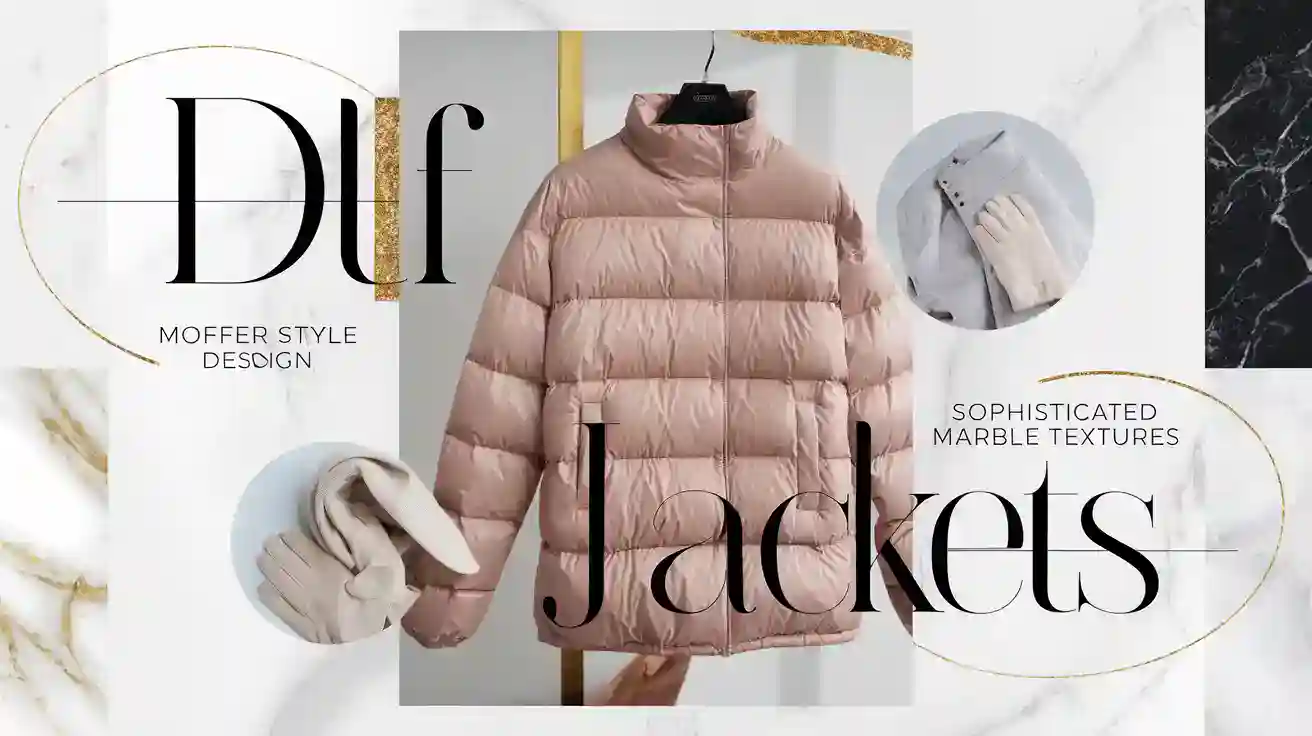
If you want to stay warm in the cold, you need one of the best puffer jackets. You see more people wearing a puffer coat because these jackets offer unbeatable warmth and style. The global market for puffer jackets keeps growing fast, reaching about $202,710 million in 2023 and expected to hit $645,730 million by 2030. These puffer options come in men’s, women’s, and even children’s sizes, so you always find the best choice for your needs. When you pick a puffer, think about the insulation, your climate, and how active you will be in the cold. A puffer jacket gives you comfort, protection, and confidence every winter.
Metric | Value/Description |
|---|---|
Market Size 2023 | Approximately US$ 202,710 million |
Forecast Market Size 2030 | Approximately US$ 645,730 million |
CAGR (2024-2030) | 18.0% |
Market Segmentation | By Type: Men’s Jackets, Women’s Jackets; By Application: Child, Adult |
Key Regions | North America, Europe, Asia Pacific, South America, Middle East & Africa |
Key Takeaways
Choose a puffer jacket based on your climate, activity, and budget to get the best warmth and comfort.
Down insulation offers the best warmth-to-weight ratio but works best in dry cold weather; synthetic insulation performs better in wet or humid conditions.
Look for features like water resistance, good fit, and packability to ensure your jacket suits your lifestyle and keeps you comfortable.
High-quality puffer jackets last longer and provide better protection, but budget options can still offer good warmth for everyday use.
Proper care, including gentle washing and careful storage, helps keep your puffer jacket warm and durable for many winters.
Top Picks
Best Overall
When you want the best puffer jackets for all-around use, you need a model that delivers high-quality insulation, durability, and comfort in cold weather. The Patagonia Down Sweater stands out as a top choice. You get a jacket that balances warmth, weight, and style. Its high-quality down insulation keeps you warm in cold conditions, while the lightweight design ensures you stay comfortable during daily wear or outdoor adventures.
Jacket Model | Insulation Type & Fill Power | Weight (Men’s S) | Durability & Water Resistance | Design Features & Fit | Additional Notes & Warranty |
|---|---|---|---|---|---|
Patagonia Down Sweater | High-quality down | 13.1 oz | Durable, water-resistant shell | Regular fit, elastic cuffs, zip pockets | Fair Trade Certified, excellent warranty |
Arc’teryx Cerium Hoody | 850 fill-power down + Coreloft | 10.8 oz | Durable, water-resistant, windproof | Athletic fit, adjustable hood, minimalist design | Premium price, limited color options |
Rab Neutrino Pro | 800 fill-power down | 17.3 oz | Recycled Pertex Quantum Pro, water-resistant | Technical fit, helmet-compatible hood | Great for backcountry, slightly heavier |
Canada Goose Crofton Hoody | 750 fill-power down | 10.7 oz | Water-resistant, windproof | Slim fit, packable into pocket, adjustable hood | Expensive, luxury brand |
Pros:
High-quality insulation for reliable warmth in cold weather
Lightweight design for comfort and mobility
Durable, water-resistant shells for outdoor performance
Stylish enough for city wear
Cons:
Premium models can be expensive
Some fits may feel snug if you want to layer
If you want a jacket that performs well in almost any situation, choose one of these best puffer jackets. You get warmth, style, and performance in one package.
Best for:
You want a versatile puffer coat for daily use, travel, or light outdoor activities. You value high-quality materials and reliable performance.
Best Budget
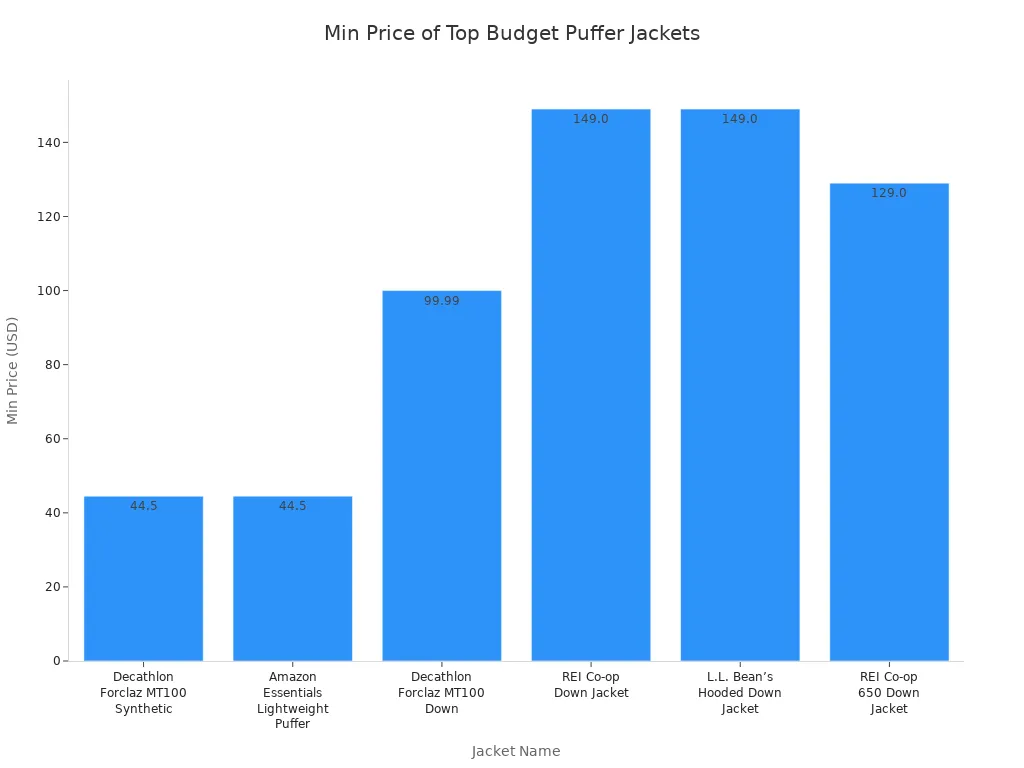
You do not have to spend a fortune to get a warm, high-quality puffer. The best budget down jacket options deliver impressive performance at a fraction of the price. Uniqlo puffer jackets and the Decathlon Forclaz MT100 stand out for value and warmth.
Jacket Name | Insulation Type | Price Range (USD) |
|---|---|---|
Uniqlo Ultra Light Down | Down | $69.90 – $89.90 |
Decathlon Forclaz MT100 Synthetic | Synthetic | $44.50 – $69.99 |
Amazon Essentials Lightweight Puffer | Synthetic | $44.50 |
REI Co-op 650 Down Jacket | Down | $129.00 |
L.L. Bean Hooded Down Jacket | Down | $149.00 |
Pros:
Affordable price points
Lightweight design for easy layering
Good warmth for mild to moderate cold
Cons:
Less durable than premium models
Fewer technical features
Choose a uniqlo puffer or Decathlon model if you want the best value down jacket for everyday cold weather. You save money and stay warm.
Best for:
You want a reliable puffer coat for daily commutes, school, or travel without breaking the bank.
Best for Extreme Cold
When you face the harshest cold, you need a puffer that delivers maximum warmth and protection. Canada Goose and Rab Neutrino Pro lead the way for extreme cold performance.
Jacket Name | Fill Power & Weight | Temperature Rating / Use Case | Key Features & Notes |
|---|---|---|---|
625 fill-power down, 4.5+ lbs | -22°F (-30°C) or lower | Arctic Tech shell, water-resistant, premium build, designed for polar scientists | |
Rab Neutrino Pro | 800 fill-power down, 7.5 oz | Backcountry winter, very cold | Hydrophobic down, recycled shell, technical fit, helmet-compatible hood |
Feathered Friends Khumbu Expedition | 900+ fill-power down, 13.3 oz down | High-altitude mountaineering, extreme cold | Highest fill, PrimaLoft Gold collar, technical design, very warm but expensive |
Pros:
Maximum warmth for extreme cold
Durable, weather-resistant shells
Trusted by professionals in the coldest environments
Cons:
Bulky and heavy
Expensive
When you need to conquer the coldest climates, trust a Canada Goose or Rab Neutrino Pro. These jackets deliver unmatched performance and keep you safe in the harshest conditions.
Best for:
You work or travel in arctic, alpine, or extreme cold environments and need the best puffer jackets for survival and comfort.
Best Lightweight
You want a puffer that feels barely there but still keeps you warm. The best lightweight design uses advanced materials for warmth, comfort, and highly packable performance. The Cotopaxi Fuego, Black Diamond Deploy Pullover, and Patagonia Down Sweater lead this category.
Jacket Model | Category | Fill Power / Insulation | Key Features & Expert Highlights |
|---|---|---|---|
Cotopaxi Fuego | Lightweight | Not specified | Great for layering, casual wear, and travel. Highly packable and colorful. |
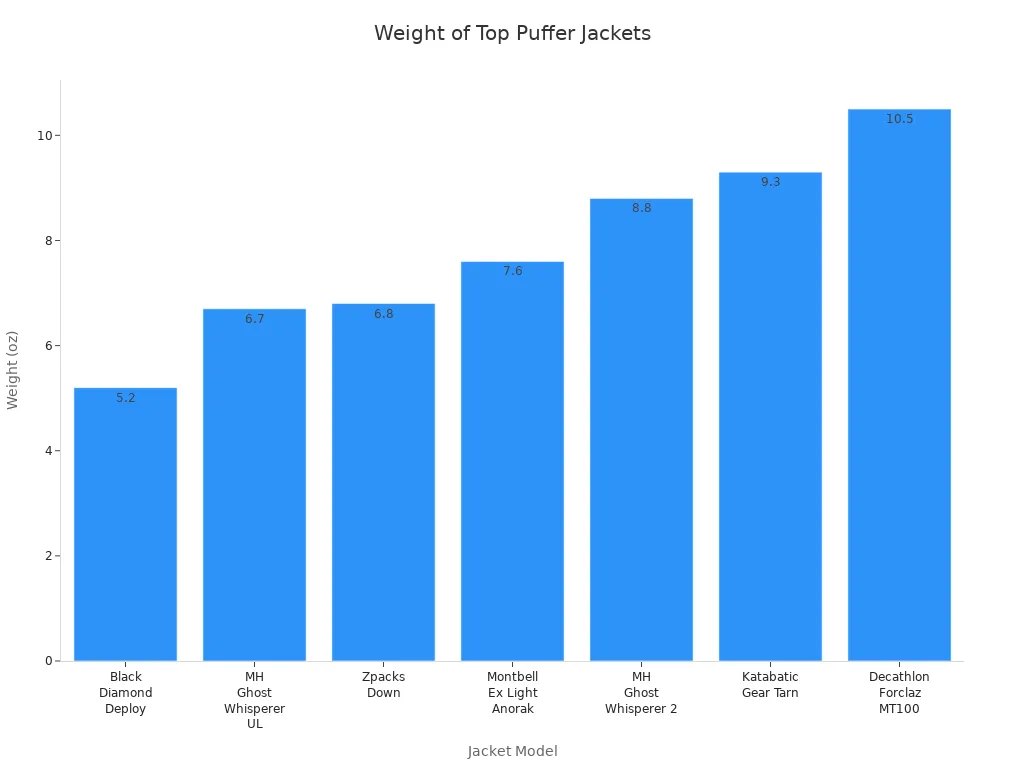
Black Diamond Deploy Pullover | Ultralight | Not specified (high quality) | Weighs only 5.3 oz, perfect for backpacking and climbing. Athletic fit for layering. |
Patagonia Down Sweater | Lightweight | High-quality down | Versatile, excellent warmth-to-weight ratio, suitable for everyday and outdoor use. |
Pros:
Featherlight feel for all-day comfort
Highly packable for travel or backpacking
Good warmth for mild to moderate cold
Cons:
Not for extreme cold
Thin shells may be less durable
Choose a lightweight puffer coat if you want freedom of movement and easy packing. You get warmth without the bulk.
Best for:
You travel, hike, or need a jacket that fits in your bag. You want high-quality performance in a lightweight design.
Best for Style
You want a puffer that turns heads and keeps you warm. The best puffer jackets for style blend fashion and performance. Brands like Moncler, The North Face, and Fila Vintage lead this trend. The North Face 1996 Retro Nuptse stands out for its iconic look and reliable warmth.
Key Features:
Bold colors and retro designs
Water-resistant shells
High-quality insulation for cold days
Functional pockets and adjustable hoods
Pros:
Fashion-forward designs
Reliable warmth and performance
Durable for city and outdoor use
Cons:
Premium price for designer brands
Some styles may not suit all tastes
You do not have to sacrifice warmth for style. Choose a puffer coat from these brands and enjoy both fashion and performance.
Best for:
You want a statement piece for city life, travel, or casual outings. You value both looks and high-quality performance.
Best Eco-Friendly
You care about the planet and want a puffer that matches your values. The best eco-friendly puffer jackets use recycled materials, ethical down, and sustainable practices. Patagonia, The North Face, and Kathmandu set the standard.
Certification Name | Purpose/Description | Region/Origin | Market Relevance |
|---|---|---|---|
Ensures ethical sourcing of down and feathers promoting sustainability | Global | Important for ethical down sourcing | |
Tests textiles for harmful substances | Global | Highly recommended for textile safety | |
BSCI Certification | Ensures ethical supply chains | Global | Recommended for ethical sourcing |
CE Marking | Conformity with health, safety, and environmental standards | European Union | Mandatory for sale in EU markets |
REACH Compliance | Regulation on chemicals used in products | European Union | Required for chemical safety |
Pros:
Made with recycled or plant-based materials
Certified for ethical and safe production
Lower carbon footprint
Cons:
Some eco-friendly models cost more
Limited color or style options
Choose an eco-friendly puffer coat if you want warmth, performance, and a clear conscience. You support brands that care for the environment and deliver high-quality jackets.
Best for:
You want a sustainable, high-quality puffer for cold weather. You value certifications and want to reduce your environmental impact.
Best Down Jackets

Top Down Picks
You want the best down jackets for cold weather. You need high-quality insulation, lightweight comfort, and reliable performance. The best down jackets in 2024 deliver all these benefits. You can choose from top brands like Patagonia, Arc’teryx, Rab, and Canada Goose. These jackets use premium insulation and advanced shell materials to keep you warm and protected.
Jacket Name | Fill Power | Price | Key Features & Pros | Cons |
|---|---|---|---|---|
HARD LAND Down Jacket | 700 | $76.84 | Lightweight, water-resistant, packable, adjustable fit | Not for extreme cold |
Wantdo Women’s Down Jacket | 650 | $63.97 | Lightweight, windproof, water-resistant, packable | Less insulation for very cold |
Orolay Women’s Down Jacket | N/A | $139.99 | Stylish, warm, multiple pockets, fleece-lined hood | Seams might come apart |
The North Face Down Jacket | N/A | $195 | Streamlined fit, water-resistant, removable hood | Not warmest for extreme cold |
Columbia Down Jacket | N/A | $79.99 | Omni-Heat lining, insulated hood, adjustable cuffs | Runs larger than expected |
Amazon Essentials Down Jacket | N/A | $43.60 | Lightweight, water-resistant, packs into carry sack | Consider sizing up |
You want the best down jacket overall for daily use and travel. Patagonia Down Sweater Hoody stands out for warmth, durability, and ethical sourcing. You get a jacket that balances weight and insulation, making it perfect for cold city days or outdoor adventures. Arc’teryx Cerium Hoody offers premium insulation and a sleek fit, making it the best down jacket for technical use. Rab Neutrino Pro gives you high fill power and a tough shell, so you stay warm in the coldest conditions. Canada Goose delivers luxury and performance for those who want the best down jacket for durability and extreme cold.
Expert reviews highlight that warmth in the best down jackets depends on fill power. High fill power (800 to 1000) gives you the best warmth-to-weight ratio. Shell materials like Pertex Quantum and ripstop nylon add durability and resist tears. Hydrophobic down and DWR coatings help you stay warm even in damp conditions. You should choose jackets based on your needs: pick durability for rugged use and warmth for cold climates.
You want the best down jacket for everyday wear if you need comfort, style, and reliable warmth. For athletes, the best down jacket for athletes offers lightweight mobility and high-quality insulation. If you need a jacket for changing seasons, the best down jacket for shoulder season gives you versatility and packability.
Down vs. Synthetic
You face a big decision: down or synthetic insulation? You want the best performance for your needs. Down insulation gives you the best warmth-to-weight ratio. You get a lighter, more compressible jacket that keeps you warm in cold, dry weather. Down jackets last longer and feel softer, making them a top choice for cold climates.
Synthetic insulation costs less and dries faster. You can wash synthetic jackets easily, and they keep you warm even when wet. Synthetic jackets work better in damp or wet conditions. They also breathe better in humid weather, so you stay comfortable during high activity.
Performance Aspect | Down Insulation | Synthetic Insulation |
|---|---|---|
Warmth-to-weight ratio | Higher; lighter and warmer overall | Lower; heavier than down |
Compressibility | Very compressible | Less compressible, varies by filament type |
Durability | Very durable; can last decades with care | Less durable; varies by filament type |
Water resistance | Loses insulating power when wet; treated down resists light moisture but not heavy wetness | Retains insulation when wet; dries quickly |
Drying time | Takes longer to dry | Quick drying |
Cost | More expensive | Generally less expensive |
Care | Requires special care for cleaning | Easier to care for; hypoallergenic |
Performance in wet conditions | Poor; loses loft and insulation when wet | Good; maintains insulation even when wet |
Filament types | N/A | Short-staple (soft, compressible, less durable), Continuous filament (durable, less compressible) |
Choose down if you want the best warmth-to-weight ratio and high-quality comfort for cold, dry days. Pick synthetic if you need easy care, lower cost, and reliable performance in wet or humid conditions.
You want the best down jacket for technical use if you climb, hike, or ski in cold weather. You need high-quality insulation and a jacket that packs small. For city life or travel, the best down jacket for everyday wear gives you warmth and style. If you want a jacket for spring or fall, the best down jacket for shoulder season offers just the right amount of insulation.
Fill Power Guide
You want to understand fill power before you buy. Fill power measures the loft and quality of down. Higher fill power means better insulation. You get more warmth with less weight. For example, 800 fill power down traps more air than 550 fill power, so you stay warmer without extra bulk.
Fill Power | Down Weight (oz) | Approximate Clo Value | Warmth and Weight Impact |
|---|---|---|---|
550 | 1 | 0.7 | Lower warmth per oz; requires more down weight for same warmth; heavier jacket |
625 | 1 | 0.92 | Moderate warmth; better than 550 fill power |
800 | 1 | 1.68 | High warmth per oz; less down weight needed for same warmth; lighter, more compressible jacket |
You want the best down jackets with high fill power (800+) for the best warmth-to-weight ratio. These jackets use premium insulation, so you get lightweight comfort and top performance. If you need a jacket for technical use or for athletes, look for high fill power and packable down jackets. You get the warmth you need for cold adventures without extra weight.
Tip: Both fill power and down weight matter. High fill power gives you better warmth with less down. More down weight adds insulation but also makes the jacket heavier. Choose the best down jacket overall by balancing fill power, down weight, and your activity level.
You want high-quality jackets that last. You want performance in cold weather, whether you need the best down jacket for durability, the best down jacket for everyday wear, or the best down jacket for athletes. The best down jackets give you premium insulation, lightweight comfort, and reliable protection in the cold.
Buying Guide
Insulation Types
You want the right insulation for your climate and activity. Natural materials like goose down, fur, and merino wool set the standard for warmth. Down insulation works best in cold, dry climates and offers the best down jacket for moisture resistance when treated with hydrophobic coatings. Synthetic insulation performs well in wet or humid conditions, making it the best down jacket for moisture resistance if you expect rain or snow. For mild climates, synthetic or wool insulation balances warmth and breathability. Choose insulation that matches your needs for thermal properties, durability, and breathability.
Weather Resistance
You need a jacket that stands up to the elements. The best waterproof down jacket uses Durable Water Repellent (DWR) coatings or advanced membranes like GORE-TEX. These technologies keep you dry and comfortable by repelling water and allowing breathability. Some jackets use eco-friendly, PFC-free DWR for sustainability. Proper care and reapplication of DWR help maintain performance. Look for jackets with sealed seams and nano-coatings for extra protection. The best waterproof down jacket will keep you warm and dry in any weather.
Fit and Comfort
Fit and comfort matter for every adventure. Leading brands like Rab and Patagonia design jackets with adjustable hems, elastic cuffs, and snug hoods. These features help you retain heat and move freely. Soft, durable construction and ergonomic designs add comfort, whether you walk in the city or hike in the mountains. Try on different styles to find the best fit for your body and activity level.
Weight and Packability
You want a jacket that packs small and feels light. Top-rated jackets like the Patagonia Nano Puff compress into their own pockets or stuff sacks. This packability and weight make them perfect for travel and backpacking. Lightweight fabrics and high fill power down give you warmth without bulk.
Special Features
Look for features that add value. The best down jacket for durability uses reinforced stitching and tough outer shells. Consumers love waterproof performance, detachable hoods, and eco-friendly materials. Choose a jacket with the features that fit your lifestyle and climate.
Tip: Care for your jacket by following washing instructions, storing it uncompressed, and repairing small tears quickly. This extends the life of your investment.
Canada Goose and Premium Brands
Canada Goose
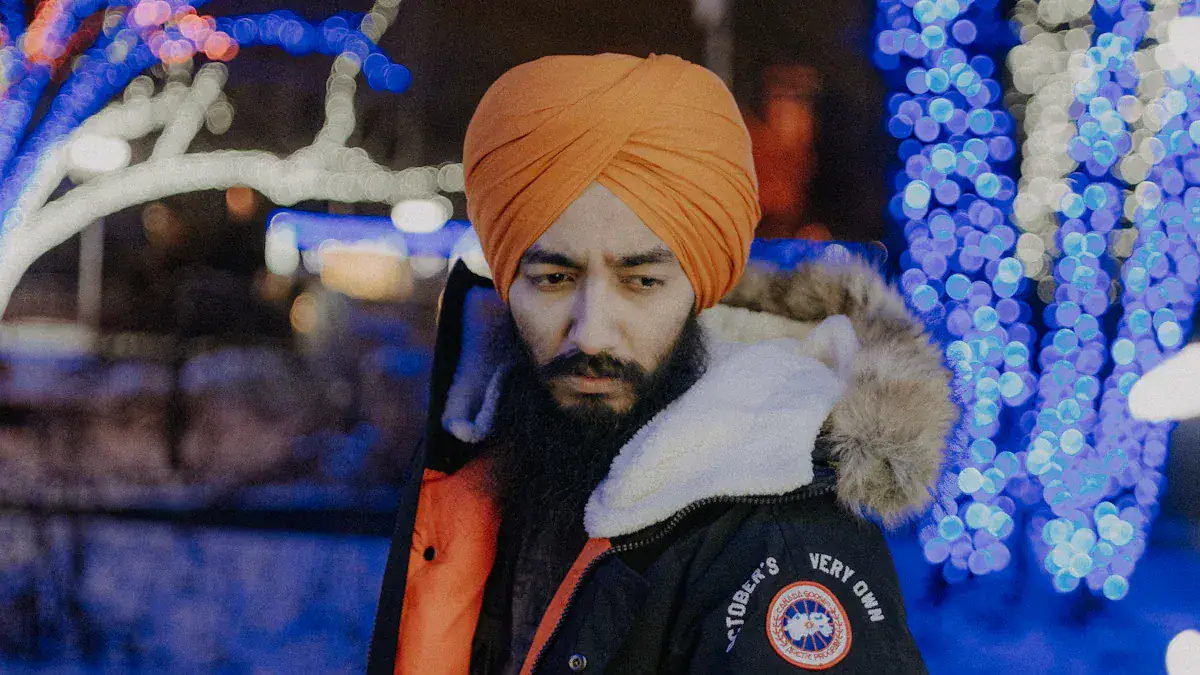
You want a jacket that stands out for warmth, style, and long-term value. Canada Goose delivers on all fronts. This brand manufactures its jackets in Canada, showing a strong commitment to ethical and patriotic production. You get high-quality Hutterite goose down that traps more heat than standard down. The real coyote fur lining on the hoods blocks wind, never freezes, and does not hold water. These features keep you comfortable in the harshest cold.
Canada Goose designs jackets for both men and women, tailoring insulation to fit your body and needs. The Thermal Experience Index (TEI) helps you pick the right jacket for your climate and lifestyle. You can trust their ethical sourcing, as all down comes from the poultry industry and fur from certified Canadian trappers. Every jacket features high-quality craftsmanship, with details like contoured quilting, removable hoods, and adjustable fits.
Manufactured in Canada for quality and ethics
Uses Hutterite goose down for superior warmth
Real coyote fur hoods for wind protection
Tailored fits for men and women
Thermal Experience Index for easy selection
Lifetime warranty for peace of mind
You get a jacket built for extreme cold, like the Snow Mantra parka, trusted by scientists in Antarctica. Canada Goose jackets combine warmth, comfort, and durability, making them one of the best investments for winter gear. You enjoy both function and style, whether you explore the outdoors or walk city streets.
Other Premium Brands
You have more choices if you want luxury and performance. Fjallraven offers Scandinavian design with a focus on sustainability. Their jackets use recycled materials and natural fibers, giving you warmth and eco-friendly style. Alo Yoga brings a modern, fashion-forward look to outerwear. You get sleek designs that work for both city life and travel.
Brand | Key Features | Best For |
|---|---|---|
Fjallraven | Sustainable materials, classic design | Eco-conscious, outdoor lovers |
Alo Yoga | Trendy, urban style, lightweight warmth | Fashion-focused, city wear |
Moncler | Italian luxury, bold looks, premium down | High fashion, statement pieces |
Arc’teryx | Technical performance, minimalist design | Outdoor sports, active users |
You should consider these brands if you want high-quality jackets that match your lifestyle. Each brand brings something unique, from eco-friendly materials to cutting-edge style. You can find the right balance of warmth, durability, and design for your needs.
Care and Maintenance
Washing Tips
You want your puffer jacket to look and perform its best every season. Proper washing keeps insulation fluffy and the shell clean. Always check the care label before you start. Wash down and synthetic jackets separately or with similar technical gear. Use warm water on a gentle cycle for top-loading machines or a regular cycle for front-loading ones. Choose a down-safe or technical detergent designed for insulated fabrics. Never use harsh detergents or dry cleaning, which can damage the fill and shell.
Dry your jacket on low heat for about 30 minutes. If it feels damp, hang it up or continue drying on low. Toss in clean tennis balls or dryer balls for 5-10 minutes to break up clumps and restore loft. Remove fur or leather attachments before washing. Pretreat stains with a gentle remover and turn your jacket inside out. Wash insulated jackets every four months to maintain warmth and water resistance.
Tip: Always ensure your jacket is fully dry before wearing or storing. This prevents clumping and keeps insulation effective.
Storage Advice
You want your jacket to last for years. Avoid compressing it for long periods. Store your puffer loosely in a breathable garment bag or hang it in your closet. Make sure the jacket is clean and completely dry before storage. This prevents mildew, mold, and unpleasant odors. Use natural repellents like cedar blocks or lavender sachets to keep moths away and your jacket fresh.
Store jackets with enough space to maintain their shape.
Repair small tears before storing to protect insulation.
Never tightly compress your jacket, which can permanently reduce loft.
Repair and Longevity
You can fix most common damages yourself and extend your jacket’s life. For small holes, use fabric repair tape or iron-on patches. Sew seams with small, tight stitches using matching thread, then seal with waterproof seam sealer. Always clean and dry the area before repairing. Avoid thick thread or large stitches to prevent puckering.
After repairs, fluff your jacket by tumble drying with tennis balls. Replace lost insulation fibers if needed. Reapply water repellent spray to keep your jacket moisture-resistant. For extensive damage or technical fabrics, seek professional repair for a durable finish.
Take care of your puffer jacket, and you enjoy warmth, style, and protection for many winters to come.
You want the best puffer for your climate, style, and budget. Top picks like Patagonia, Canada Goose, and Rab deliver warmth and durability. Use the buying guide to match your puffer to your needs. Most consumers choose a puffer for comfort, style, and sustainability.
72% of men want a puffer that looks good and feels great.
Nearly 75% of buyers pay more for sustainable puffers.
Price matters, especially for younger shoppers.
Best Insulation | Key Features | |
|---|---|---|
Cold, dry | Down | Baffled, water-resistant |
Wet, humid | Synthetic | Quilted, waterproof |
Mixed/versatile | Hybrid | Body mapping, adjustable |
Follow these steps to balance warmth, style, and budget:
Pick a puffer that fits your lifestyle.
Find a puffer coat within your budget.
What makes your favorite puffer stand out? Share your questions or experiences below!
FAQ
What is the difference between down and synthetic insulation?
You get better warmth-to-weight with down. Synthetic insulation dries faster and costs less. Choose down for cold, dry weather. Pick synthetic if you expect rain or want easy care.
Tip: Down feels softer and packs smaller. Synthetic works better when wet.
How do I wash my puffer jacket without ruining it?
You should use a gentle cycle and cold water. Always choose a down-safe detergent. Dry your jacket on low heat with clean tennis balls to restore loft.
Never use bleach or fabric softener.
Remove fur or leather before washing.
Can I wear a puffer jacket in the rain?
You can wear most puffer jackets in light rain. Look for jackets with water-resistant shells or DWR coatings. For heavy rain, choose a waterproof shell or layer your puffer under a raincoat.
🌧️ Water-resistant jackets keep you dry in drizzle, not downpours.
How do I pick the right size for my puffer jacket?
You should check the brand’s sizing chart. Try on the jacket with layers. Make sure you can move your arms freely. If you plan to wear thick sweaters, size up for comfort.
Note: A snug fit traps heat better, but tight jackets limit movement.