

Our Picks for the Best Outdoor Jackets for Hikers
Table of Contents
Display
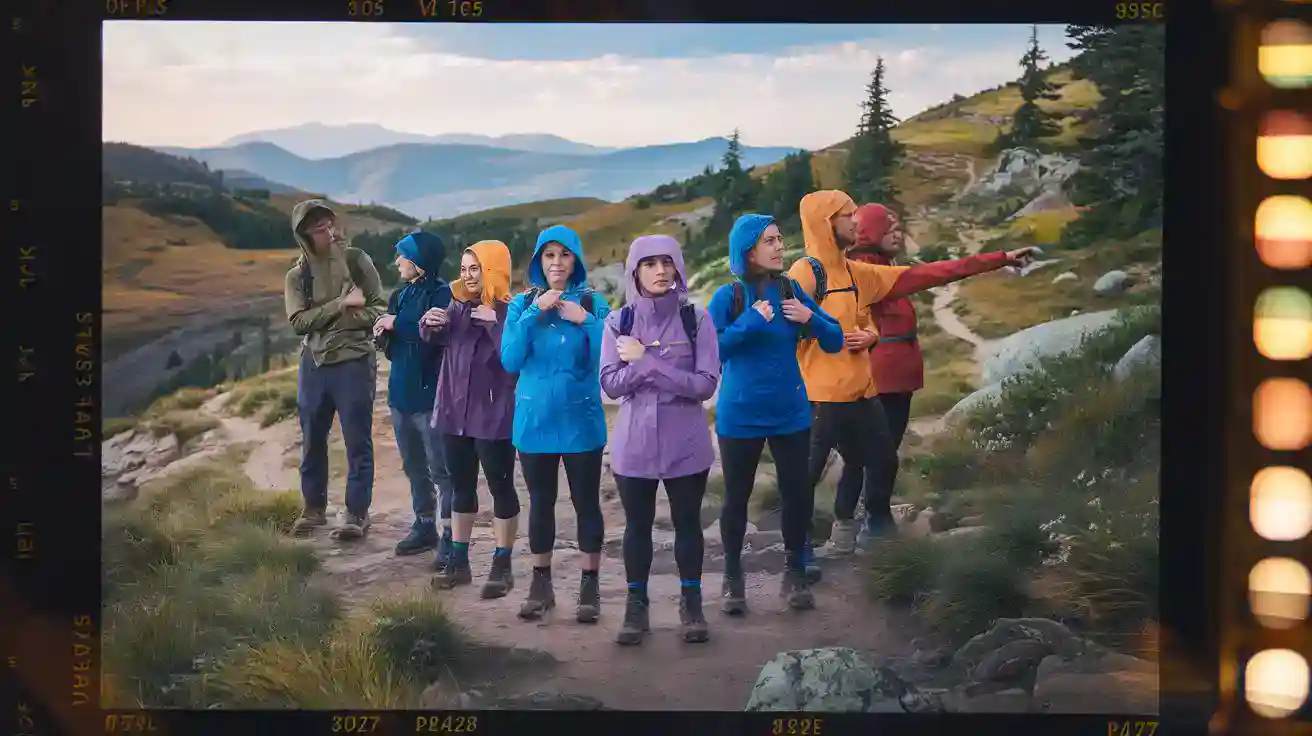
If you want the best outdoor jackets for hiking in 2025, you should look at top picks from Patagonia, Arc’teryx, The North Face, and Taian BOWINS Garment. These outdoor brands lead the trail with advanced waterproof, breathable, and lightweight designs that keep you comfortable in any weather.
You benefit from expert-tested jackets—evaluated for weather protection, comfort, breathability, weight, and sustainability—so you stay confident on every trail. Use the quick picks and comparison table to find your ideal hiking and backpacking layer before you head out. Choose gear that lets you focus on the adventure, not the forecast.
Key Takeaways
Choose outdoor jackets that match your hiking needs, focusing on waterproofing, breathability, and comfort to stay dry and comfortable on the trail.
Ultralight jackets help you move faster and carry less weight, but may be less durable and less protective in heavy rain.
Hardshell jackets offer the best protection for extreme weather, but they can be heavier and more expensive.
Down jackets provide excellent warmth with low weight, ideal for cold weather, but they lose insulation if wet unless treated.
Softshell jackets are versatile and breathable, great for cool, dry conditions, but not fully waterproof for heavy rain.
Look for sustainable jackets made with recycled materials and ethical production to protect the environment while enjoying quality gear.
Proper fit, durability, and packability are key when buying a jacket; always check reviews and try layers to ensure comfort and freedom of movement.
Quick Picks
Outdoor Jackets Overview
You want to stay comfortable and protected on every trail. The right outdoor jackets make all the difference. For 2025, you can choose from the best jackets that stand out in gear reviews and ratings. These picks cover every hiking scenario, from sudden downpours to chilly mountain mornings. You get top rain jackets like the Arc’teryx Beta SL, ultralight options such as the Frogg Toggs Ultra-Lite Suit, and warm down layers like the Big Agnes Luna Jacket. Each jacket in this list has earned high marks in reviews for weather protection, breathability, and durability. You can trust these outdoor jackets to deliver quality and performance on the trail.
When you look for outdoor jackets, focus on features that matter most for hiking. Breathability keeps you dry as you move. Waterproofing shields you from rain and snow. Adjustable hoods and closures block wind and water. Pockets with secure zippers hold your trail essentials. Reinforced shoulders add durability for long hikes with a backpack. Bright colors boost your visibility on the trail, while earth tones help you blend in. Lightweight and packable jackets fit easily in your pack, so you always stay ready for changing weather. Layering compatibility lets you adjust for warmth without overheating. These features set the best jackets apart in gear reviews and ratings.
Tip: Always check reviews for real-world feedback on comfort, fit, and performance before you buy. The right outdoor jacket can turn a tough trail into an enjoyable adventure.
Comparison Table
Here’s a quick comparison of the top outdoor jackets for hiking in 2025. Use this table to compare key specs and find the perfect fit for your next trail adventure.
Jacket Type | Example Model | Material(s) | Weight (oz) | Key Features & Purpose | Pros | Cons |
|---|---|---|---|---|---|---|
Rain Shell | Arc’teryx Beta SL | 3L Gore-Tex | Waterproof, wind resistant, adjustable hood/cuffs, drop-tail hem | Top waterproofing, wind protection | Expensive, heavier, lacks pit zips | |
Ultralight Suit | Frogg Toggs Ultra-Lite Suit | DriPore Gen 2 | 4.6 | Lightweight, affordable, includes rain pants | Very light, budget-friendly | Less durable, not fully waterproof |
Down Insulation | Big Agnes Luna Jacket | Goose down (RDS certified) | N/A | High warmth, ethical sourcing, puffer style | Warm, ethical down sourcing | Not for wet conditions |
Fleece Layer | The North Face Osito | Polyester | 16 | Water resistant, durable, comfortable | Warm, durable, water resistant | No hood, optional insulation |
Base Layer | Smartwool Thermal Merino | Merino wool | 8.3-10.5 | Moisture wicking, odor resistant, regulates temperature | Excellent moisture management | Too warm for summer, lacks pockets/hood |
Kids’ Down | Big Agnes Kids’ Ice House Hoodie | Nylon shell, 600fp down | 12 | Warm, durable, kid-friendly, hooded | Durable, warm, great fit for kids | No matching puffer pants |
You can see at a glance how each jacket compares for weight, material, and trail-ready features. This table helps you make a smart choice based on your hiking needs and the latest reviews. Choose outdoor jackets that match your trail goals and enjoy every step with confidence.
Best Hiking Rain Jackets
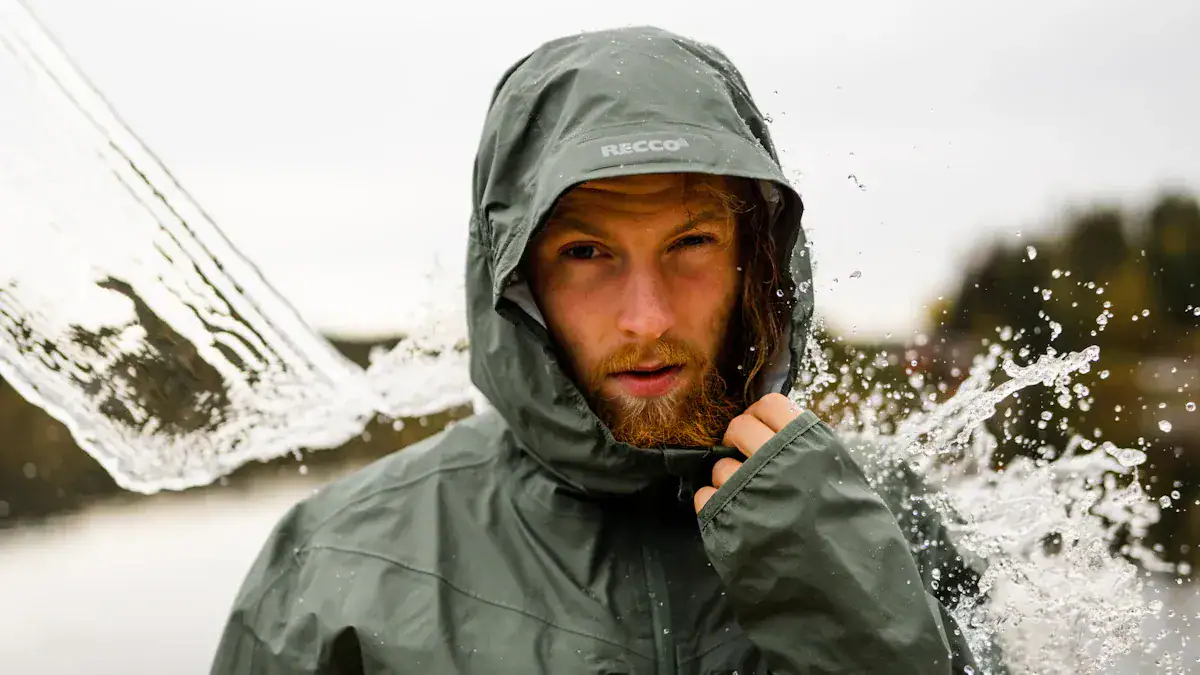
When you face unpredictable weather on the trail, you need the best hiking rain jackets to keep you dry and comfortable. The right hiking rain jacket gives you confidence to push forward, no matter how hard it rains. You want a jacket that stands up to downpours, breathes well, and packs easily. The best hiking rain jackets in 2025 deliver all these benefits and more. You can trust these top picks because they earn high marks in reviews for waterproofness, breathability, and durability. Let’s dive into the top picks and see which performance rain jacket fits your hiking style.
Top Picks
You deserve a hiking rain jacket that works as hard as you do. Here are the best hiking rain jackets for 2025, based on expert reviews and real-world testing. Each jacket offers unique strengths, so you can find the perfect match for your next outdoor adventure.
Jacket Name | Key Strengths | Weight (Men’s) | Price Range | Notable Features & Comments |
|---|---|---|---|---|
Mountain Hardwear Stretch Ozonic | Outstanding comfort, stretchy & quiet fabric, excellent waterproofing | 10.9 oz | Mid-range | Large pockets, pit zips, good for layering, slightly baggy fit, great for rugged trails |
Montbell Versalite | Ultralight, highly breathable, excellent ventilation, packs very small | 6.4 oz | $260 | Adjustable hood, pit zips, slim fit, delicate material, ideal for ultralight and thru-hiking |
Arc’teryx Beta | Superior weather resistance, durable Gore-Tex, trim athletic fit | N/A | Premium | Taped zippers, excellent in heavy rain and wind, quiet fabric, great layering capability |
Patagonia Torrentshell | Durable 3-layer construction, excellent water resistance | N/A | Mid-range | Tested in temperate rainforest, water beads off easily, long-lasting durability |
Outdoor Research Foray II | Best ventilation with large double pit zips, very durable | N/A | Premium | Crisp, thick material, great for heavy brush and scrapes, ultralight and packable |
REI Rainier | Best value, budget-friendly, good comfort and mobility | N/A | Budget | 2.5-layer construction, slightly loose fit, good for active adventures |
Marmot Precip Eco | Budget buy, lightweight, packs small | 11 oz | Budget | Good for light use, durable, compressible, great price point |
Outdoor Research Helium | Ultralight, packable, reliable protection and breathability | 7 oz | Mid-range | Durable Pertex Shield fabric, weather-resistant, ideal for unpredictable weather |
Key Specs
Mountain Hardwear Stretch Ozonic: 10.9 oz, stretchy fabric, pit zips, large pockets, mid-range price.
Montbell Versalite: 6.4 oz, ultralight, highly breathable, packs tiny, $260.
Arc’teryx Beta: Gore-Tex, taped zippers, premium price, athletic fit.
Patagonia Torrentshell: 3-layer construction, durable, mid-range price.
Outdoor Research Foray II: Double pit zips, thick material, premium price.
REI Rainier: 2.5-layer, budget, loose fit.
Marmot Precip Eco: 11 oz, lightweight, budget, compressible.
Outdoor Research Helium: 7 oz, ultralight, Pertex Shield, mid-range.
Pros and Cons
Mountain Hardwear Stretch Ozonic
✅ Superb waterproofness, comfort, and stretch for long hikes.
❌ Slightly baggy fit may not suit everyone.
Montbell Versalite
✅ Packs down small, extremely lightweight rain jacket, very breathable.
❌ Delicate material needs careful handling.
Arc’teryx Beta
✅ Top-tier weather resistance, durable, great for layering.
❌ Premium price point.
Patagonia Torrentshell
✅ Long-lasting, reliable waterproof jackets, eco-friendly.
❌ Heavier than some ultralight options.
Outdoor Research Foray II
✅ Best ventilation, durable, handles rough trails.
❌ Bulkier than other best rain jackets.
REI Rainier
✅ Best value, comfortable, good mobility.
❌ Less durable for extreme conditions.
Marmot Precip Eco
✅ Affordable, lightweight, packs small.
❌ Not as breathable as higher-end models.
Outdoor Research Helium
✅ Ultralight, packable, reliable for sudden storms.
❌ Limited features compared to premium jackets.
Best Use
Mountain Hardwear Stretch Ozonic: Rugged trails, all-day hiking, layering in variable weather.
Montbell Versalite: Thru-hiking, ultralight backpacking, fast-and-light missions.
Arc’teryx Beta: Harsh weather, alpine hiking, serious outdoor adventures.
Patagonia Torrentshell: Everyday hiking, wet climates, eco-conscious hikers.
Outdoor Research Foray II: Long hikes, bushwhacking, wet and brushy trails.
REI Rainier: Budget-friendly trips, casual hiking, travel.
Marmot Precip Eco: Day hikes, travel, backup rain protection.
Outdoor Research Helium: Emergency shell, unpredictable weather, minimalist packing.
🏆 Choose the best hiking rain jacket that matches your trail goals. You get the most out of your outdoor experience when you stay dry, comfortable, and ready for anything.
Features to Consider
You want the best hiking rain jackets to perform in every condition. Focus on these features when you compare reviews and make your choice:
Waterproofness: Look for waterproof jackets with taped seams and high waterproof ratings. These features keep you dry in heavy rain and protect you from wind.
Hood Fit: A well-designed hood shields your head and face. Adjustable hoods stay secure in strong winds and driving rain.
Breathability: Choose a hiking rain jacket with pit zips or ventilated pockets. These features let heat escape and keep you comfortable during tough climbs.
Comfort: Soft, stretchy fabrics feel good against your skin. You move freely and avoid chafing on long hikes.
Durability: Thicker fabrics and reinforced areas help your jacket last longer. You want a jacket that stands up to rough trails and heavy use.
Weight & Packability: Lightweight rain jackets pack down small. You save space in your pack and carry less weight on the trail.
Pockets: Look for pockets placed above hip belts. You reach your essentials easily, even with a backpack on.
Fabric Construction: 3-layer jackets offer the best waterproof and breathable shell. They balance durability, weight, and protection. 2.5-layer jackets cost less and weigh less, but may not breathe as well.
Cost: The best hiking rain jackets come at different price points. You can find great value in budget models or invest in premium performance rain jacket options.
The most effective waterproof jackets use a waterproof/breathable membrane and a Durable Water Repellent (DWR) finish. These technologies let sweat escape while blocking rain. You stay dry and comfortable, even on tough hikes. For the best women’s rain jackets, look for the same features and check reviews for fit and comfort.
Tip: Always layer a moisture-wicking base and an insulating mid-layer under your hiking rain jacket. This system keeps you warm, dry, and ready for any weather.
You deserve the best waterproof jackets for your outdoor adventures. Choose a hiking rain jacket that fits your needs, matches your style, and earns top picks in reviews. You will enjoy every mile on the trail, rain or shine.
Ultralight Outdoor Jackets
You want to move fast and light on the trail. The best ultralight jackets give you the freedom to hike farther with less weight on your back. These jackets pack down small, weigh almost nothing, and still protect you from wind and light rain. If you care about every ounce in your pack, you need to check out these top picks for lightweight hiking.
Picks for Lightweight Hiking
You have many choices, but only a few jackets truly stand out for long-distance hiking. The best ultralight jackets for 2025 include:
Black Diamond Distance Wind Shell: Lightest and most packable, perfect for wind and light rain.
Outdoor Research Helium Wind Hoodie: Great balance of weight, breathability, and weather resistance.
Mountain Hardwear Kor Airshell Hoody: Excellent breathability and protection for active use.
Rab Phantom Rain Jacket: Lightest rain jacket, highly packable, waterproof and breathable.
Montbell Plasma 1000 Down Jacket: Lightest down jacket, amazing warmth-to-weight ratio.
These jackets earn praise from hikers who want comfort and performance without extra bulk. You will wear your ultralight shell jacket more often than a heavy rain shell because it feels better and breathes easier during tough climbs.
Key Specs
Here’s a quick look at how the lightest jackets compare:
Jacket Name | Weight (oz) | Key Features and Notes |
|---|---|---|
Rab Phantom Rain Jacket | 4.1 | Lightest rain jacket, 2.5L membrane, waterproof, highly packable |
Montbell Plasma 1000 Down Jacket | 4.8 | 1000 fill power down, no hood or pockets, best warmth-to-weight ratio, very lightweight but less durable |
Outdoor Research Helium Rain Jacket | 6 | Ultralight waterproof shell, durable ripstop nylon, adjustable hood, very packable |
Mountain Hardwear Ghost Whisperer Hooded Down | 8.8 | 800 fill down, very packable, elastic hood, good warmth-to-weight ratio |

You see that every ounce counts. The Rab Phantom and Montbell Plasma 1000 lead the pack for weight savings.
Pros and Cons
You want to know what makes these jackets special. Here are the main advantages and drawbacks:
Pros
You carry less weight, so you hike faster and farther.
Jackets pack down to the size of an apple, saving space in your pack.
Synthetic materials like nylon ripstop and technical insulation keep you dry and warm.
Ultralight shell jacket designs offer great breathability for active hiking.
You get quick-drying performance, which is crucial in changing weather.
Cons
Less durable than heavier jackets; you need to handle them with care.
Not all models provide full waterproof protection in heavy rain.
Some ultralight jackets skip features like pit zips or extra pockets to save weight.
Delicate fabrics can snag or tear on rough trails.
Tip: Choose synthetic materials over natural fibers for your ultralight shell jacket. Synthetics like nylon and advanced insulation offer the best mix of weight, breathability, and water resistance.
Best Use
You should pick an ultralight shell jacket if you:
Plan long-distance hikes or thru-hikes where every ounce matters.
Want a jacket for fast-and-light day hikes or trail running.
Need a backup layer for wind and light rain, not for all-day storms.
Value breathability and comfort during high-output activities.
The best ultralight jackets shine when you want to move quickly and stay comfortable. You will find that these jackets work best in mild to moderate weather, especially when you expect wind or light showers. For heavy rain, you may want to carry a more robust shell as backup.
You deserve gear that matches your ambition. Choose one of these best ultralight jackets and feel the difference on your next adventure.
Hardshell Jackets
When you hike in extreme weather, you need a jacket that stands up to the harshest conditions. Hardshell jackets give you the highest level of protection from wind, rain, and snow. You can trust these jackets to keep you dry and safe when the weather turns wild. If you want the best waterproof jackets for alpine or winter hiking, you should look at the top-rated models for 2025.
Picks for Extreme Weather
You have many choices, but a few hardshell jackets rise above the rest. These models deliver outstanding weather protection, durability, and comfort. Here is a quick comparison of the best hardshell jackets for hiking in 2025:
Jacket Model | Category | Weight | Waterproofing | Price | Key Features & Notes |
|---|---|---|---|---|---|
Arc’teryx Beta AR | All-around | ~1 lb. 0.3 oz. | Gore-Tex Pro | $600 | Excels in multiple categories; durable and breathable; best overall hardshell jacket for 2025. |
Rab Kinetic Alpine 2.0 | All-around/minimalist | 14.9 oz. | Proflex | $275 | Budget-friendly; softshell-like stretch and breathability; good wind and rain protection; no pit zips. |
Arc’teryx Alpha SV | Alpine | ~1 lb. 1.1 oz. | Gore-Tex Pro | $900 | Bombproof shell with detailed construction; best performance hardshell for extreme conditions. |
Patagonia M10 Storm | Ultralight/Packable | N/A | N/A | N/A | Lightweight and packable option for alpine use. |
Fjallraven Keb Eco-Shell | All-around | 1 lb. 2.3 oz. | Eco-Shell | $500 | Eco-friendly materials; solid all-around performance. |
Mammut Taiss HS Hooded | All-around/minimalist | 15.3 oz. | Dry Expedition | $385 | Lightweight, suitable for minimalist hikers. |
HH Odin 9 Worlds | All-around | 1 lb. 4.1 oz. | Helly Tech Pro | $450 | Durable and versatile for various conditions. |
You see that the Arc’teryx Beta AR and Alpha SV lead the pack for all-around and alpine use. The Rab Kinetic Alpine 2.0 gives you a more affordable option with great stretch and breathability. If you want eco-friendly gear, the Fjallraven Keb Eco-Shell stands out.
Key Specs
You want to know what makes these jackets special. The Arc’teryx Alpha SV uses a 3-layer Gore-Tex Pro membrane and a tough 100D outer shell. This jacket gives you superb windproofness and breathability, even in the worst storms. The Mammut Meron HS offers a lighter 80D fabric and watertight zippers, making it great for layering. The ThruDark SF Raid uses heavy-duty rip-stop fabric and multiple pockets for extra protection and storage. The Prometheus Design Werx Defiant Hoodie blends hardshell and softshell features for three-season versatility.
Pros and Cons
You need to weigh the benefits and drawbacks before you choose. Here are the main points:
Pros
You get maximum weather protection for rain, snow, and wind.
Durable fabrics and strong zippers last for years of hard use.
Many jackets offer great breathability and venting for active hiking.
Technical features like helmet-compatible hoods and Recco reflectors boost safety.
Cons
Hardshell jackets cost more than basic rain shells.
Some models feel stiff or noisy compared to softshells.
Heavier jackets add weight to your pack.
Minimalist designs may skip features like pit zips or extra pockets.
Tip: Always check the fit and mobility before you buy. You want a jacket that lets you move freely on steep climbs and rough trails.
Best Use
You should pick a hardshell jacket if you plan to hike in harsh mountain weather, winter storms, or alpine terrain. These jackets work best for:
Technical climbing and mountaineering in severe winter conditions (Arc’teryx Alpha SV, Mammut Meron HS)
Four-season hiking and backpacking where you need top protection
Winter camping, snowshoeing, and backcountry skiing
Multi-day treks where you face unpredictable weather
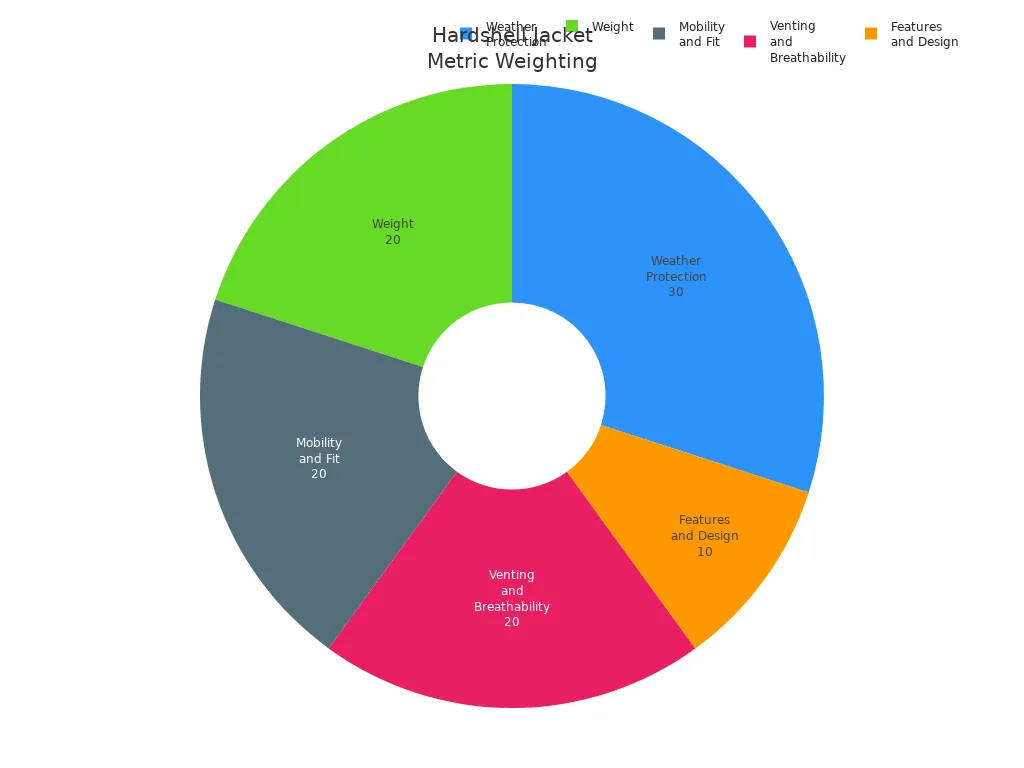
Performance matters most when you choose a hardshell. Weather protection counts for 30% of the overall score, followed by weight, mobility, breathability, and features.
You deserve a jacket that keeps you safe and comfortable in any storm. Choose a hardshell that matches your adventure style and never let the weather slow you down.
Down Jackets for Hiking
When you hike in cold weather, you need a jacket that keeps you warm without weighing you down. Down insulated jackets give you the best warmth-to-weight ratio, making them essential for chilly trails, alpine climbs, and winter camping. You want to choose a jacket that uses high-quality down, packs easily, and stands up to the demands of the outdoors.
Picks for Cold Weather
Outdoor experts recommend down insulated jackets with high fill power and smart design. You get more warmth and less bulk, so you move freely and stay comfortable. Here are some top picks for 2025:
Katabatic Gear Tincup Down Jacket: Lightweight (11.7 oz), 850+ fill power hydrophobic down, responsibly sourced, and durable for mountain hiking.
Mammut Broad Peak IN Hooded Jacket: 800-fill power, 11.7 oz, compressible, very warm, and ideal for alpine climbs.
Fjallraven Expedition Down Lite Hoodie: Heavier (39 oz), extremely warm, and built for extreme cold and winter camping.
Patagonia Down Sweater: 800 fill power, 10.3 oz, traceable down, and a great all-around choice.
Rab Positron Pro: 800 fill power, 23 oz, RDS certified, and water-resistant for harsh conditions.
Montbell Plasma 1000: 1000 fill power, 4.2 oz, ultra-light, and perfect for thru-hiking.
You deserve a jacket that keeps you warm and comfortable, no matter how low the temperature drops.
Key Specs
Jacket Model | Weight (oz) | Fill Power | Water Resistance | Ethical Sourcing | Best For |
|---|---|---|---|---|---|
11.7 | 850+ | Yes | Responsibly sourced | Mountain hiking | |
Mammut Broad Peak IN Hooded | 11.7 | 800 | Yes | Responsibly sourced | Alpine climbs |
Fjallraven Expedition Down Lite | 39 | 700 | Yes | Responsibly sourced | Extreme cold |
Patagonia Down Sweater | 10.3 | 800 | No | Traceable + Bluesign | All-around hiking |
Rab Positron Pro | 23 | 800 | Yes | RDS Certified | Harsh conditions |
Montbell Plasma 1000 | 4.2 | 1000 | No | Not externally certified | Thru-hiking |
Pros and Cons
You want to know what makes down insulated jackets stand out. Here are the main advantages and drawbacks:
Pros
You get maximum warmth with minimal weight.
High fill power (800+) means you stay warmer with less bulk.
Most jackets pack down small, saving space in your pack.
Hydrophobic down resists moisture, keeping you insulated even in damp weather.
Many brands use ethically sourced down, so you can feel good about your choice.
Cons
Down loses insulation power when wet unless treated with hydrophobic technology.
Some jackets cost more due to premium materials and ethical sourcing.
Lightweight models may be less durable for rough use.
Tip: Always check the fill power. Jackets with 800 fill power or higher give you the best warmth-to-weight ratio for hiking.
Best Use
You should choose down insulated jackets for:
Cold weather hiking and backpacking
Alpine climbs and high-altitude adventures
Winter camping and snowshoeing
Lightweight packing for long-distance treks
Down insulated jackets work best when you need reliable warmth and want to keep your pack light. You get the most value by picking a jacket with high fill power, hydrophobic down, and ethical sourcing. Make your next cold-weather hike more enjoyable and safe with the right insulated layer.
Softshell Outdoor Jackets
Picks for Versatility
You want a jacket that adapts to changing conditions and keeps you comfortable on every hike. Softshell jackets stand out as the most versatile choice for active hikers in 2025. Outdoor experts consistently recommend the Arc’teryx Gamma Hoody as the best overall softshell jacket this year. You get outstanding breathability, weather protection, and freedom of movement. The Rab Borealis offers a cost-effective alternative, giving you great mobility and comfort for less. If you want a jacket that balances warmth and flexibility, the Patagonia R1 TechFace Hoody and R1 CrossStrata combine fleece comfort with softshell durability. The Outdoor Research Ferrosi Hoody is another top pick, praised for its lightweight, abrasion-resistant design and excellent breathability.
These jackets excel in a wide range of hiking conditions. You can wear them as an outer layer on cool, dry days or as a mid-layer under a shell when the weather turns. Their stretchy fabrics and smart designs let you move freely, whether you scramble over rocks or power up steep trails.
Key Specs
Jacket Model | Weight (oz) | Fabric Type | Lining | Weather Resistance | Notable Features |
|---|---|---|---|---|---|
Arc’teryx Gamma Hoody | 18.3 | Stretch woven nylon | Light fleece | Water repellent | Best breathability, mobility |
Rab Borealis | 10.2 | Stretch softshell | None | Water repellent | Lightweight, budget-friendly |
Patagonia R1 TechFace Hoody | 13.2 | Woven polyester | Fleece backer | Water repellent | Warmth, layering versatility |
Patagonia R1 CrossStrata | 12.2 | Stretch polyester | Fleece backer | Water repellent | Comfort, moderate insulation |
Outdoor Research Ferrosi Hoody | 12.5 | Nylon/spandex | None | Water repellent | Lightweight, abrasion resistant |
Tip: Choose a softshell jacket with a fleece lining for extra warmth on chilly mornings.
Pros and Cons
Pros
You enjoy excellent breathability, so you stay dry during high-output hikes.
Soft, stretchy fabrics give you unmatched comfort and freedom of movement.
Many softshells include fleece linings, adding warmth without bulk.
These jackets work well as outer layers in mild weather or as mid-layers in colder conditions.
You often pay less for a softshell than for a hardshell jacket.
Cons
Softshells are not fully waterproof. Heavy rain can soak through.
They offer less wind protection than hardshells.
Some models provide less insulation than down jackets, so you may need to layer up in winter.
Note: Softshell jackets shine in cool, dry conditions. For heavy rain, you need a true waterproof shell.
Best Use
You should pick a softshell jacket if you want maximum versatility for hiking, backpacking, or climbing. These jackets perform best when you:
Hike in cool, dry, or slightly damp weather.
Need a breathable outer layer for high-intensity activities.
Want a comfortable, stretchy jacket for scrambling or fast-paced hikes.
Prefer a jacket that doubles as a mid-layer under a hardshell in winter.
Softshell jackets give you the flexibility to tackle changing conditions without overheating or feeling restricted. You stay comfortable, move freely, and enjoy every mile on the trail. Choose a top-rated softshell for your next adventure and experience the difference versatility makes.
Sustainable Outdoor Jackets
You want to protect the planet while staying comfortable on the trail. Choosing sustainable outdoor jackets lets you do both. In 2025, top brands lead the way with eco-friendly materials, ethical production, and long-lasting designs. You can find insulated jackets that keep you warm and help reduce your environmental impact.
Eco-Friendly Picks
You have many great options for sustainable outdoor jackets. The best brands use recycled fabrics, renewable energy, and responsible sourcing. Here is a quick look at the leading names and what makes them stand out:
Brand | Sustainability Highlights (2025) | Target Audience / Notes |
|---|---|---|
Patagonia | 95% recycled or renewable materials; “Worn Wear” repair program; multifunctional designs | Outdoor enthusiasts valuing sustainability and performance |
The North Face | 80% sustainable materials; enhanced FutureLight breathable waterproof tech; “Mountain to Metro” collection | Casual hikers to extreme explorers |
Arc’teryx | Adaptive layering systems; enhanced Gore-Tex partnership; minimalist urban designs | Mountaineers, climbers, serious adventurers |
Fjällräven | Eco-Shell waterproof breathable sustainable fabric; updated classic designs | Style and sustainability-conscious consumers |
Montbell | 100% responsibly sourced down; packable outerwear; carbon footprint reduction commitment | Backpackers and climbers prioritizing lightweight gear |
Mammut | Moving to 100% renewable energy in production; avalanche safety gear integration | Alpine climbers and skiers |
Columbia Sportswear | Upgraded Omni-Heat Infinity insulation; versatile trail-to-town wear; affordable innovation | Wide audience seeking accessible outdoor gear |
Outdoor Research | Enhanced UV-blocking fabrics; AscentShell waterproof tech; lifetime warranty | Budget-conscious outdoor enthusiasts |
You can trust these brands to deliver insulated jackets that perform well and last for years. The Good Trade editors recommend these companies for their verified sustainable sourcing, ethical labor, and commitment to quality.
Key Specs
When you shop for sustainable jackets, look for these eco-friendly materials:
Recycled nylon from old fishing nets
Organic cotton, hemp, and bamboo for natural comfort
Bio-based fabrics made from corn, sugarcane, or castor beans
Many insulated jackets now use 100% recycled nylon and PFAS-free fabrics. Some also feature Bluesign approved materials and carbon-neutral certifications. These choices help you reduce your carbon footprint while staying warm.
Pros and Cons
You get many benefits from choosing sustainable insulated jackets:
🌱 Lower environmental impact thanks to recycled and renewable materials
🧥 High-quality construction for long-lasting wear
👍 Ethical production supports fair labor and safe workplaces
♻️ Many brands offer repair programs to extend jacket life
However, you may notice a few drawbacks:
Sustainable insulated jackets sometimes cost more upfront
Limited color or style options compared to mainstream models
Some eco-friendly materials feel different from traditional synthetics
Tip: Look for certifications like OEKO-TEX, GRS, GOTS, OCS, and Bluesign. These labels show that your insulated jacket meets strict environmental and safety standards.
Best Use
You should choose a sustainable insulated jacket if you want to:
Stay warm on cold hikes while supporting the planet
Invest in gear that lasts and reduces waste
Enjoy technical features without harmful chemicals
Feel good about your impact every time you hit the trail
Sustainable insulated jackets work for day hikes, backpacking trips, and even city wear. You get reliable warmth, comfort, and peace of mind knowing you made a responsible choice.
Buying Guide
Weather Protection
You want to stay dry and safe on every hiking adventure. Weather protection is the most important factor when you choose outdoor jackets. The best waterproof jackets shield you from rain, wind, and snow, so you can focus on the trail ahead. Look for jackets with a high hydrostatic head rating. A rating above 5,000 mm means your jacket can handle heavy rain and long exposure. For serious storms, pick waterproof jackets with ratings above 10,000 mm. Seam taping and a durable water repellent (DWR) coating keep water out and help droplets roll off the surface.
Feature | Why It Matters |
|---|---|
Waterproofing | Keeps you dry in storms; look for seam taping and DWR coating |
Breathability | Lets sweat escape, so you stay dry inside |
No Insulation | Allows layering for different weather conditions |
Fit | Should allow layers underneath for a comfortable fit |
Adjustability | Adjustable cuffs, hood, and hem block wind and rain |
Packability | Lightweight and compressible jackets save space in your pack |
Venting | Vents or pit zips boost comfort and airflow |
Shell Type | Hard shells offer max waterproofing; soft shells are more breathable but less water-resistant |
Laminate vs Coated | Laminate jackets (like Gore-Tex) last longer and breathe better than coated jackets |
Tip: Always check the waterproof rating and look for features like adjustable hoods and cuffs. These details make a big difference on wet trails.
Hydrostatic head ratings tell you how much water pressure a fabric can handle before leaking. For hiking and backpacking, you want waterproof jackets that can handle real-world rain, not just lab tests. Remember, wind-driven rain and movement can push water through weaker fabrics. Maintain your jacket’s DWR finish to keep it performing at its best.
Breathability
You need a jacket that keeps you dry from the inside out. Breathable jackets let sweat vapor escape, so you avoid that clammy feeling during tough climbs. For hiking and backpacking, breathability is just as important as waterproofing. Look for jackets with breathability ratings of 20,000g or higher. This level of performance ensures you stay comfortable, even during high-exertion activities.
Many top waterproof jackets match their breathability and waterproof ratings. For example, a jacket with a 20,000mm waterproof rating often has a 20,000g breathability rating. This balance gives you protection from rain and helps you stay cool and dry. Features like pit zips or mesh-lined vents add extra airflow. If you run hot, choose jackets with these vents for superb breathability.
Note: A breathable jacket is a must for hiking and backpacking in changing weather. You will hike farther and feel better with the right gear.
Weight and Packability
You want to move fast and light on the trail. Jacket weight has a big impact on your comfort and performance during long hikes. Lightweight waterproof jackets, like the Outdoor Research Helium II, weigh as little as 5.6 ounces. These jackets pack down small, so you save space and energy. Heavier jackets, such as the Arc’teryx Beta AR, offer more protection but add bulk and can cause fatigue over long distances.
Choose a jacket that matches your hiking and backpacking style. If you expect mild weather, go for the lightest option. For harsh conditions, pick a slightly heavier jacket with more features. Always check if the jacket packs into its own pocket or comes with a stuff sack. This makes it easy to stash in your pack when the sun comes out.
Tip: The best outdoor jackets combine low weight, packability, and a comfortable fit. You will enjoy every mile when your gear feels light and easy to carry.
Durability
You want your hiking jacket to last through every adventure. Durability matters because rough trails, sharp rocks, and heavy backpacks can wear down weak materials fast. When you invest in a tough jacket, you save money and avoid frustration on the trail.
GORE-TEX PRO stands out as one of the most durable materials in outdoor jackets. This fabric gives you waterproof, windproof, and breathable protection. You can trust it to handle extreme conditions and demanding activities. Jackets with GORE-TEX PRO keep you dry and safe, even after years of hard use.
Look for these features to boost durability:
Reinforced shoulders and elbows protect against backpack straps and scrapes.
High-denier fabrics resist tears and abrasion.
Strong zippers and storm flaps keep out wind and rain.
Double-stitched seams add strength where you need it most.
Tip: Choose a jacket with a proven track record for durability. You will hike farther and worry less about wear and tear.
Fit and Sizing
You need a jacket that fits your body and your hiking style. The right fit keeps you warm, comfortable, and free to move. A poor fit can ruin your hike by causing chafing, heat loss, or restricted movement.
A tight shell compresses insulation and limits comfort.
Stretch fabrics and smart design give you a close fit with full mobility.
Women’s jackets have different cuts to match body shape.
Follow these steps to find your best fit:
Move your arms and body to test mobility. Sleeves and cuffs should not feel tight or ride up.
Check sleeve length. You should lift your arms overhead without exposing your wrists.
Adjust cuffs for ventilation and glove compatibility.
Pick a fit that matches your activity. Hikers often prefer shorter, stretchy jackets. Climbers need more room for movement.
Try on the jacket with your mid-layers. Make sure there is space for insulation without feeling bulky.
Consider sizing up if you hike in cold weather and need extra layers.
A well-fitted jacket looks better and works better. You stay warm, move freely, and enjoy every mile.
Price and Value
You want the best value for your money. Hiking jackets come in a wide price range, but you do not need to spend a fortune to get quality. Most high-quality jackets in 2025 cost between $100 and $500. Many great options fall in the $120 to $300 range, giving you a balance of performance and price.
Jacket Model | Price (2025) | Category | Notes on Quality and Features |
|---|---|---|---|
REI Co-op Rainier | $100 | Budget/Daily Use | Solid all-around design, good for city and hiking use |
Marmot PreCip Eco | $120 | Daily Use/Hiking | Proven performance, eco-friendly membrane, classic choice |
Patagonia Torrentshell 3L | $179 | Daily Use/Hiking | 3-layer construction, durable, good value |
Black Diamond Fineline | $180 | Hiking/Daily Use | Lightweight, good waterproofing |
Outdoor Research Helium | $170 | Hiking | Lightweight, breathable fabric |
Cotopaxi Cielo | $145 | Daily Use | Lightweight, casual use |
Marmot Gore-Tex Minimalist | $220 | Daily Use/Hiking | Gore-Tex membrane, durable |
Outdoor Research Foray 3L | $249 | Hiking/Performance | Premium 3-layer, breathable, recycled materials |
Montbell Versalite | $260 | Hiking | Lightweight, packable |
Patagonia Storm Racer | $299 | Running/Hiking | High-performance waterproofing |
Arc’teryx Beta | $400 | Hiking/Performance | High-end Gore-Tex, durable, premium features |
Arc’teryx Beta SL | $500 | Performance/Hiking | Top-tier performance, lightweight, Gore-Tex ePE membrane |
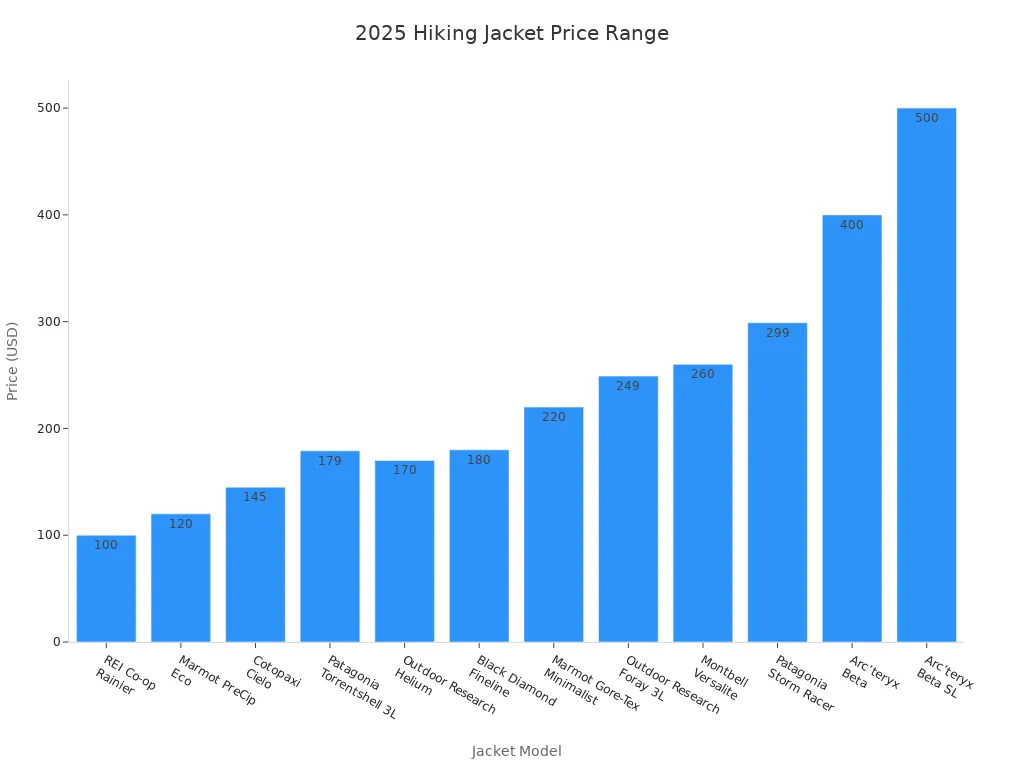
You get more features and better materials as you move up in price. Budget jackets work well for casual hikes and daily use. Mid-range jackets offer more durability and weather protection. Premium jackets give you top performance for serious adventures.
Choose a jacket that fits your needs and your budget. You will find great value at every price point if you focus on quality and fit.
Sustainability
You want your hiking jacket to do more than protect you from the elements. You want it to protect the planet, too. In 2025, you have more power than ever to choose gear that matches your values. Outdoor brands now compete to offer jackets made with the environment in mind. When you pick a sustainable jacket, you help drive real change in the industry.
Here’s what you should look for in a sustainable outdoor jacket:
Recycled and Sustainable Materials: Top brands like Patagonia use recycled polyester from plastic bottles, organic cotton, hemp, and even recycled nylon. These materials reduce waste and lower the carbon footprint of your gear.
Responsible Manufacturing: You support fair labor and safe working conditions when you choose jackets with certifications like Fair Trade. Many companies now use energy-efficient factories to cut emissions.
Product Longevity: Durable design means your jacket lasts for years. You throw away less and save money in the long run.
Repair and Recycling Programs: Many brands offer repair services or take back old jackets for recycling. This supports a circular economy and keeps gear out of landfills.
Transparent Supply Chains: You deserve to know where your jacket comes from. Look for brands that share details about their sourcing and production.
🌱 Did you know? In 2025, 81% of outdoor gear buyers expect brands to improve the environment. You can join this movement by choosing jackets that use recycled materials, ethical labor, and repairable designs.
You also see more rental and secondhand options. These choices let you save money and reduce waste. The eco-friendly outdoor gear market keeps growing fast, showing that your choices matter. When you pick a sustainable jacket, you help protect wild places for future adventures.
Matching to Hiking Style
You want a jacket that fits your hiking style and the climate you explore. The right features keep you comfortable, safe, and ready for anything. Use this table to match jacket types to your favorite hiking environments:
Jacket Type | Key Features | Best For |
|---|---|---|
Waterproof | Waterproof, breathable (e.g., Gore-Tex) | Rainy regions, wet climates, sudden storms |
Softshell | Wind/water resistant, stretchy, breathable | Moderate or changing weather, active hiking |
Hardshell | Strongest protection, waterproof, breathable | Extreme weather, mountaineering, heavy snow |
Fleece | Insulating, breathable | Cool days, layering in cold weather |
Windbreaker | Light, wind-resistant | Windy areas, mild conditions |
Hybrid | Waterproof, windproof, insulated | Versatile, unpredictable weather |
Ultralight | Very light, breathable | Long hikes, mild weather, weight savings |
Parka | Heavy insulation, longer length | Arctic, high mountains, extreme cold |
3-in-1 Jacket | Shell + removable insulated liner | Variable weather, adaptable layering |
Tip: Always match your jacket to the climate and activity. For wet, unpredictable weather, pick a waterproof shell. For cold, dry hikes, choose a fleece or down layer. If you want one jacket for many conditions, try a hybrid or 3-in-1.
You make every hike better when you choose gear that fits your needs and values. Pick the right jacket, and you stay comfortable, confident, and ready for adventure—no matter where the trail leads.
Care Tips
Cleaning
You want your outdoor jacket to last for years and perform at its best. Proper cleaning makes a huge difference. Always check the care label before you wash your jacket. This label gives you the best advice for your specific fabric and coating.
Follow these steps to keep your jacket clean and functional:
Sort your jackets by fabric type. Wash synthetics, wool, and down separately to prevent damage.
Use a gentle cycle with cold water for synthetic jackets. For wool, choose a delicate cycle and a wool-specific detergent. For down jackets, pick a down-safe detergent and add dryer balls to the dryer.
Treat stains right away. Use mild dish soap for oil stains or cold water for blood. Gently scrub with a soft brush.
Air-dry your jacket when possible. For down jackets, use low heat and dryer balls to restore loft.
Clean zippers and fasteners regularly. Lubricate them with a silicone-based product to keep them working smoothly.
Tip: Specialized detergents for outdoor gear help maintain the integrity of technical fabrics and coatings.
Restoring Waterproofing
You want your jacket to keep you dry in every storm. Over time, the water-repellent finish wears off. When water stops beading on the surface, it’s time to restore the waterproofing.
Clean your jacket first. Dirt and oils can block the fabric’s ability to repel water.
Use a spray-on or wash-in Durable Water Repellent (DWR) treatment. Follow the product instructions for best results.
Reactivate the DWR by using low heat in the dryer if the care label allows. This step helps the treatment bond to the fabric.
Check seams and zippers. Reseal or repair them if you notice leaks.
Regular DWR treatments keep your jacket performing like new, so you stay dry and comfortable on every hike.
Storage
You want to protect your investment when you’re not on the trail. Proper storage keeps your jacket ready for your next adventure.
Store your jacket in a cool, dry place. Avoid damp basements or hot attics.
Hang your jacket on a wide hanger. Do not compress or fold it for long periods, especially if it’s insulated.
Keep jackets out of plastic bags. Use breathable garment bags or cotton covers to prevent moisture buildup.
Shake insulated jackets before storing to redistribute the fill and maintain loft.
Always store your jacket clean and dry. Dirt and sweat can break down fabrics and insulation over time.
Smart storage extends the life of your jacket and ensures it’s always ready for action. Take care of your gear, and it will take care of you.
You deserve the best outdoor jackets for every trail. The top picks for 2025 give you unmatched comfort, weather protection, and durability. Choose a jacket that fits your hiking goals and matches the conditions you face on the trail. Always consider performance and sustainability when you select new gear. Stay focused on comfort and safety so you can enjoy every trail adventure with confidence.
FAQ
What is the best type of jacket for unpredictable weather?
You need a waterproof shell. This jacket keeps you dry in rain and blocks wind. Choose one with high breathability. You stay comfortable and ready for any weather. Invest in a quality shell to hike with confidence.
How do I know if a jacket is truly waterproof?
Check for a waterproof rating above 10,000 mm and taped seams. Look for a DWR (Durable Water Repellent) finish. Trust brands that list these specs. You deserve real protection, not just water resistance.
Can I use one jacket for all seasons?
You can, but you get the best results by layering. Use a shell for rain, a fleece or down for warmth, and a base layer for moisture control. This system adapts to any season. You stay comfortable year-round.
How should I wash my outdoor jacket?
Always read the care label. Use a gentle detergent made for technical fabrics. Wash in cold water. Air dry or tumble dry on low if allowed. Proper cleaning keeps your jacket performing like new.
Do sustainable jackets perform as well as regular ones?
Yes! Top brands now use recycled materials and advanced technology. You get the same weather protection, comfort, and durability. Choose sustainable options to protect the planet and enjoy top performance.
What features should I look for in a hiking jacket?
Focus on these essentials:
Waterproofing
Breathability
Adjustable hood
Secure pockets
Lightweight design
You get more comfort and safety with these features. Pick a jacket that matches your hiking style.
How do I restore my jacket’s water repellency?
Clean your jacket first. Then apply a spray-on or wash-in DWR treatment. Use low heat in the dryer if the label allows. This process revives water repellency. You stay dry and protected on every hike.
Should I size up to fit layers underneath?
Yes, if you plan to wear thick layers. Try the jacket on with your base and mid-layers. Make sure you can move freely. A good fit means better comfort and warmth on the trail.
 English
 Русский
 Deutsch (Sie)
 العربية
 Español
 Français